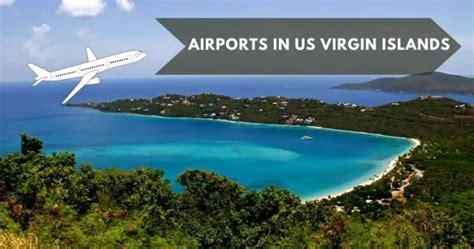
The U.S. Virgin Islands, a tropical American territory nestled in the Caribbean, serves as a key travel hub for thousands of domestic and international tourists each year. While the territory is reachable by sea, air travel remains the fastest and most convenient option, especially for U.S. citizens who benefit from passport-free access. With direct connections to major U.S. cities and inter-island flights to neighboring isles, the region’s air infrastructure plays a pivotal role in regional mobility.
The archipelago comprises three principal islands—St. Thomas, St. Croix, and St. John—each connected via a network of four operational airports, including both land-based and seaplane terminals. These airports differ in scale, purpose, and passenger volume but together they serve as the lifeline of tourism, commerce, and island hopping in the region.
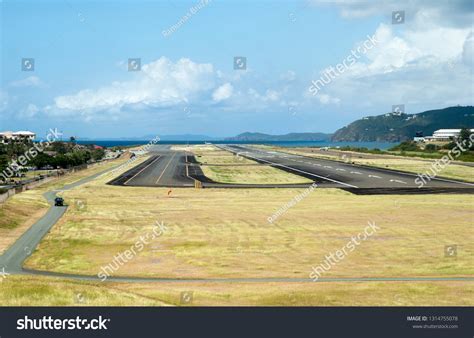
Cyril E. King Airport (STT) – The Gateway to St. Thomas and St. John
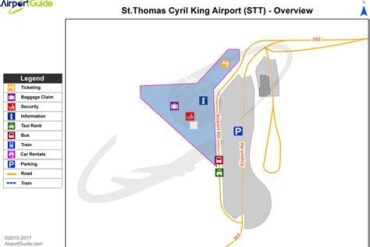
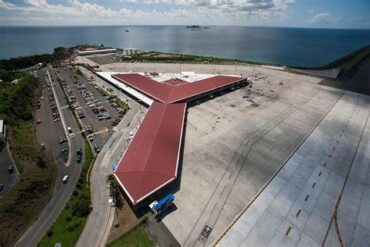
Cyril E. King Airport, situated just west of Charlotte Amalie on the island of St. Thomas, is by far the busiest and most expansive airport in the U.S. Virgin Islands. Formerly known as the Harry S. Truman Airport, it was renamed in honor of Cyril Emmanuel King, the second elected governor of the territory. Today, it serves as the primary point of entry for the majority of visitors arriving by air.
Spanning 280 acres, the airport boasts an 8,000-foot asphalt runway, making it suitable for narrow- and wide-body aircraft alike. The terminal offers 11 gates, though it operates only between 6 AM and 11 PM. Facilities include a restaurant, a bar, a gift shop, duty-free outlets, and even free Cruzan Rum samples for arriving U.S. passengers—a subtle yet memorable Caribbean welcome.
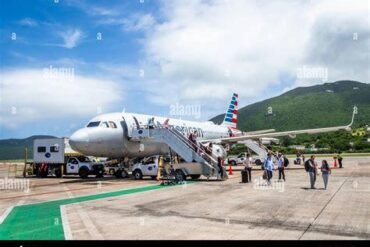
Cyril E. King services major U.S. carriers including American Airlines, Delta, and Cape Air, along with cargo operators such as FedEx and DHL. Additionally, it functions as a transit hub to the nearby British Virgin Islands via short inter-island flights.
Henry E. Rohlsen Airport (STX) – The Air Bridge to St. Croix
Positioned near Christiansted on the island of St. Croix, Henry E. Rohlsen Airport represents the territory’s second major airport. Named after a celebrated African-American World War II airman, the airport was previously known as Alexander Hamilton International until its renaming in 1996.
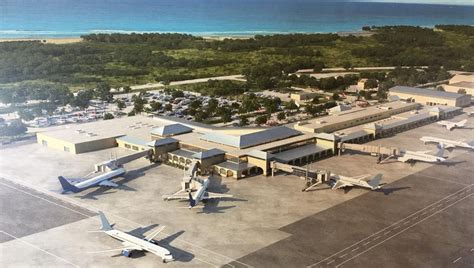
Henry E. Rohlsen Airport spans approximately 1,400 acres and contains a runway extending over 8,000 feet, capable of accommodating large commercial aircraft. The terminal includes 10 gates, operating from 5:30 AM to 11 PM, and offers a wide range of domestic and inter-Caribbean services.
The airport’s primary airlines include American Airlines, Cape Air, Delta, and Seaborne Airlines. It also caters to military and cargo operations, enhancing its role in strategic and logistical operations for the region.
Parking is readily available with a free 15-minute grace period, followed by a daily fee of $10. The facility is designed to handle an increasing volume of both commercial and cargo flights, especially during peak tourism seasons.
Charlotte Amalie Harbor Seaplane Base (SPB) – Fast Track to the Waterfront
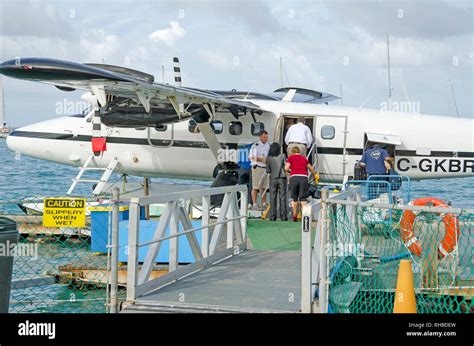
In the heart of Charlotte Amalie, the Charlotte Amalie Harbor Seaplane Base offers a distinctive alternative to conventional air travel. Operated as a private-use facility under the Virgin Islands Port Authority, it is also known as the St. Thomas Seaplane Base. The base is one of the few commercial seaplane operations in the Western Hemisphere, and it plays a crucial role in inter-island connectivity.
Located along Veterans Drive, this 3-acre water aerodrome supports two dedicated seaplane landing areas. Its primary carrier, Seaborne Airlines, provides frequent flights to St. Croix’s Christiansted Harbor, offering passengers a picturesque, quick, and efficient route between the two islands.
With aircraft taking off and landing directly on the ocean surface, the experience is uniquely Caribbean—unrivaled in both scenic value and practical convenience. This base is especially popular among business travelers and residents who frequently commute between islands.
Christiansted Harbor Seaplane Base (SSB) – Seaborne’s Anchor in St. Croix
Complementing its counterpart in St. Thomas, the Christiansted Harbor Seaplane Base—also known as the St. Croix Seaplane Base—provides a vital aerial marine gateway for St. Croix. Also operated under the Virgin Islands Port Authority, this private-use airport caters exclusively to seaplane operations, primarily run by Seaborne Airlines.
The facility features a dedicated 7,000-foot seaplane landing area within Christiansted Harbor, ensuring safe and consistent service across the waters to St. Thomas. Though the base is smaller in footprint than traditional airports, its utility is profound, particularly for passengers who value speed over scale.
Its central location in downtown Christiansted makes it ideal for travelers arriving from or heading to cruise ports, waterfront resorts, or government centers. The experience of descending onto water adds a touch of adventure that aligns with the laid-back elegance of St. Croix’s lifestyle.
Strategic Importance of Air Travel in the U.S. Virgin Islands
Beyond simple logistics, the air transport system in the U.S. Virgin Islands serves as a critical infrastructure component that sustains the islands’ economy. Tourism accounts for over 60% of GDP, and the airports are the front door to that industry. With limited ferry services and long sea travel times, the islands rely on airports to support medical evacuations, postal delivery, emergency aid, and day-to-day mobility.
The geographic separation between islands makes inter-island flights essential, and the existence of both land-based airports and seaplane bases provides travelers with flexibility, speed, and scenic enjoyment. Additionally, with ongoing upgrades and modernization projects, the airports continue to evolve to meet growing demands.
Visitor Tips for U.S. Virgin Islands Airports
While traveling through these airports is generally seamless, we advise visitors to consider the following:
- Arrive early, especially during peak seasons (December–April), as TSA and customs lines can get lengthy.
- Check inter-island schedules in advance. Flights between islands are short but can be weather-dependent.
- Use the seaplane bases for a scenic, quick alternative to traditional airport travel, particularly if traveling between St. Thomas and St. Croix.
- Don’t miss out on duty-free shopping at Cyril E. King and Henry E. Rohlsen—perfect for last-minute souvenirs and Caribbean spirits.
Aerial Future: Airport Expansions and Modernization
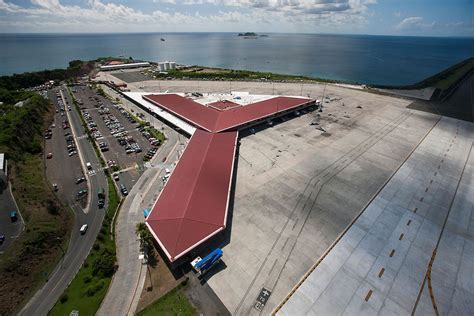
As part of the Virgin Islands’ economic development strategy, major infrastructure upgrades are underway. The Cyril E. King Airport is currently undergoing a multi-phase expansion to enhance terminal facilities, improve baggage handling systems, and extend the airside operations for more commercial gates.
Meanwhile, Henry E. Rohlsen has received funding to upgrade its navigation systems, expand customs and immigration processing, and support increased cargo flow. These investments will allow the territory to remain competitive as a regional aviation hub and better serve the rising number of tourists projected over the next decade.
Conclusion: Caribbean Convenience in the Sky
The four airports in the U.S. Virgin Islands provide far more than just transportation—they serve as connective tissues across ocean and culture, linking visitors and residents to a broader Caribbean network. Whether it’s the bustling terminals of St. Thomas and St. Croix or the awe-inspiring seaplane flights skimming turquoise waves, air travel here is an integral and unforgettable part of the island experience.
For those planning their next trip to paradise, understanding the capabilities, layout, and offerings of each airport can turn a routine landing into a smooth beginning to a Caribbean adventure.