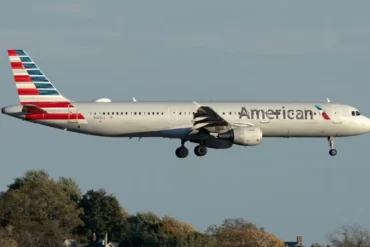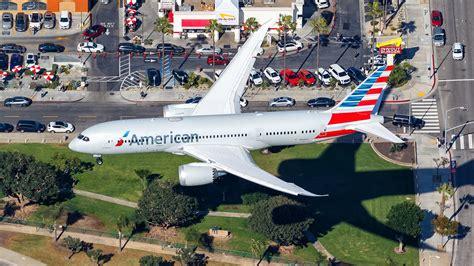
American Airlines flight AA920, originally bound from Cali, Colombia to Miami, Florida, was unexpectedly diverted to Grand Cayman on July 10, 2025, after a medical emergency onboard. The incident has rekindled urgent discussions surrounding the resilience of global air travel, mid-flight emergency handling, and the ripple effects such events impose on airline networks and passenger expectations.
Just two and a half hours after departing Alfonso Bonilla Aragón International Airport at 14:16 local time, the crew of the Boeing 737-800 sent out a “squawk 7700” — an international aviation code signaling a general emergency. The aircraft, flying over Caribbean airspace and nearing U.S. territory, veered off its trajectory toward Miami, instead making a beeline for Owen Roberts International Airport in the Cayman Islands.
The Moment Routine Became Critical
While the skies over the Caribbean appeared calm, tension inside the cabin escalated quickly. A passenger was in urgent need of medical assistance, prompting the cockpit crew to reassess their options. Continuing to Miami, while geographically feasible, may not have guaranteed the immediate medical support the passenger required. Pilots made the critical call to divert to the nearest well-equipped airport: Grand Cayman.
Though the island is renowned more for its coral reefs and tranquil beaches than for international emergency landings, its infrastructure proved more than capable. In just under 40 minutes from the decision to divert, flight AA920 touched down safely.
This type of maneuver is the result of intensive planning and training. Airline operations centers constantly monitor flights and maintain dynamic coordination with regional control centers, local airports, and emergency services. The execution appeared seamless, but what unfolded next revealed just how vulnerable air travel schedules can be when even one flight veers off plan.
A Six-Hour Disruption with Far-Reaching Consequences
Passengers on board endured a 6-hour and 30-minute delay on the ground in Grand Cayman. While medical personnel promptly attended to the distressed passenger, the rest of the cabin faced an agonizing wait. Flight crews scrambled to communicate with Miami operations, while local ground staff adjusted schedules to accommodate the unscheduled aircraft.
The aircraft, tail number N881NN, eventually departed Grand Cayman for Miami, arriving roughly an hour later than its revised estimated arrival time. But that delay was just the tip of the iceberg.
Airline network planners had to react in real-time, delaying connecting flights, reassigning aircraft, and reshuffling crew rotations. For American Airlines, this wasn’t just a detour — it was a logistical earthquake that rippled through a tightly packed schedule, already stretched thin by summer travel demand.

The Emotional Reality for Passengers and Crew
Beyond statistics and route charts lies the emotional toll of an in-air emergency. As the crew moved swiftly to stabilize the medical situation, passengers watched and waited, some in silence, others exchanging anxious whispers.
For flight attendants and pilots, these moments require sharp judgment, calm execution, and seamless teamwork. Each second holds weight, not only for the affected passenger but also for everyone else on board.
Meanwhile, families awaiting loved ones in Miami International Airport monitored flight trackers with confusion. Apps like Flightradar24 began showing strange movements, with AA920 deviating over open water. Social media lit up with speculation, with aviation watchers piecing together incomplete narratives.
The Hidden Cost of a Diversion
Every airline maintains contingency budgets for incidents like this, but the costs stack up fast:
- Fuel surcharges from the added detour and second landing
- Airport fees for using unplanned facilities
- Crew duty time extensions, which can breach legal limits and require substitutes
- Passenger compensation in the form of meal vouchers, hotel stays, or rebookings
Add to that the intangible cost: reputation. In an age of instant digital scrutiny, an unexpected landing becomes global news within minutes. Airlines must manage not only the logistics but also the public narrative.
The Bigger Picture: Air Travel’s Structural Fragility
This single incident exposes the razor-thin margin that modern aviation operates on. While the systems in place functioned admirably — safely diverting, landing, and caring for passengers — it also highlights how little slack exists in the system.
The tightly choreographed ballet of takeoffs, landings, crew assignments, maintenance windows, and gate availability can falter when just one flight changes course. It’s not just a medical issue; it’s an infrastructure stress test.
Caribbean Airports Face New Operational Stress
For the Cayman Islands, this event was more than a pitstop. Hosting a Boeing 737-800 carrying international passengers required rapid mobilization of emergency services, customs clearance teams, and logistical support.
Though Owen Roberts International Airport handled the event smoothly, such interruptions strain smaller regional airports. These facilities may not be equipped for high-volume diversions and must juggle their daily operations with the demands of an unscheduled international arrival.
As Caribbean tourism recovers post-pandemic, the ability to manage sudden aviation events becomes critical. Small island nations must weigh investment in infrastructure against the rarity but high-impact nature of such landings.
Technology’s Promise: A Solution or Just a Band-Aid?
Aviation leaders are exploring new technologies to reduce the frequency and impact of diversions:
- Real-time health telemetry, where consenting passengers’ vital signs are monitored through wearables, allowing earlier intervention
- AI-assisted route planning, offering dynamically updated landing options based on aircraft location, health data, and airport readiness
- Predictive maintenance systems, helping avoid technical diversions
But some variables remain unpredictably human. A passenger falling ill, weather systems shifting in minutes, or geopolitical airspace changes all render technology a supportive tool, not a foolproof solution.
Communication in Crisis: The Demand for Transparency
Modern passengers are more informed and more demanding than ever. Thanks to mobile apps and social media, any deviation from a scheduled path is visible to thousands within seconds. When AA920 turned west toward Grand Cayman, confusion immediately followed.
Airlines now face the dual challenge of managing operations and real-time communication. Passengers onboard seek calm and clarity. Those waiting at terminals demand updates. Online audiences, from influencers to aviation geeks, speculate publicly.
In such a high-stakes information environment, being transparent — even about uncertainties — is not optional. It’s part of the brand experience.
Miami Absorbs the Impact
Upon its eventual arrival, Miami International Airport had to reallocate gates, reschedule ground handling staff, and manage residual passenger flow disruptions. For a high-capacity hub already stretched during the busy summer season, even small tremors like this can cause downstream disturbances.
Flights queued for departure saw delays. Arriving planes waited for available gates. Passengers with tight layovers missed connections. One emergency becomes many micro-inconveniences, each frustrating in isolation, overwhelming in combination.
Final Descent: Lessons from Flight AA920
American Airlines Flight AA920’s medical diversion is a case study in both the fragility and resilience of modern air travel. It showcases the competence of airline crews, the readiness of small airports, and the value of robust emergency protocols. At the same time, it reveals just how thin the margins are — operationally, financially, and emotionally.
As travelers return to the skies in record numbers, they do so with greater expectations. Safety remains non-negotiable. But so too does timely information, fair compensation, and seamless recovery from disruptions.
Emergencies will always exist. The challenge for airlines is ensuring they do not metastasize into network-wide failures. For passengers, the lesson is patience, awareness, and a deeper understanding of just how much happens — or can happen — at 35,000 feet.
In a world where each flight can turn on a moment’s notice, the story of AA920 is both a warning and a tribute — to those who keep flying safe, even when the skies deliver the unexpected.