
Scattered across the globe, the British Overseas Territories (BOTs) represent the enduring imprint of Britain’s maritime and colonial legacy. Among these territories, Anguilla, Bermuda, Gibraltar, and the Cayman Islands have risen to particular prominence, not simply as picturesque remnants of empire but as modern hubs of strategic sovereignty, tax-free advantages, and distinctive lifestyles that draw investors, tourists, and expatriates alike. These territories, though small in size, wield a disproportionate influence on global finance, tourism, and geopolitics, each blending local charm with the enduring benefits of British governance.
Far from being passive outposts, these BOTs are active participants in shaping their destinies. Anguilla, a jewel of the Caribbean, is revered not only for its powdery white beaches but also for its role as a tax haven, where no income, capital gains, or inheritance taxes apply. Instead, the island sustains its public services through payroll levies, customs duties, and modest property taxes, creating an inviting climate for high-net-worth individuals seeking refuge from onerous fiscal regimes elsewhere.

Likewise, Bermuda has mastered the art of blending colonial elegance with modern financial might. Its no direct income or corporate tax policy has secured its position as a coveted domicile for insurance companies, investment funds, and global corporations. The island compensates through payroll taxes up to 9.5%, land tax, and substantial customs revenues. British passport holders can enjoy visa-free stays up to 90 days, but as in Anguilla, permanent relocation or employment necessitates official work permits and local sponsorship, a mechanism designed to protect the island’s social fabric while still encouraging talent and investment.
The Cayman Islands: A Tax-Neutral Financial Powerhouse
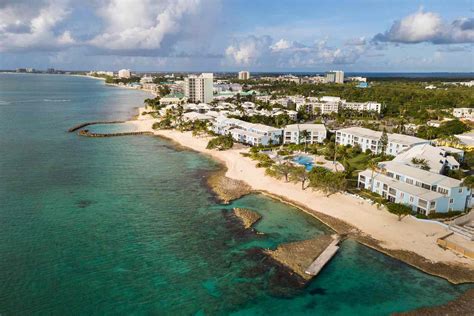
The Cayman Islands exemplify the modern BOT as a strategic economic player. Nestled southwest of Jamaica, this territory is synonymous with tax neutrality, offering no personal or corporate income taxes. Over the decades, this policy has transformed the islands into a global leader in investment funds, insurance, and banking, attracting financial entities managing trillions in assets. Beyond finance, the islands’ luxury tourism sector thrives on the allure of crystal-clear waters, world-class diving, and high-end resorts. However, beneath this success lies a carefully managed immigration system; British visitors can stay short-term without a visa, but work and residence require official permits, maintaining the delicate balance between openness and local control.
Gibraltar: Strategic Outpost and Financial Gateway
On the southern tip of Spain, Gibraltar occupies a place of unique geostrategic importance, controlling the gateway between the Atlantic and Mediterranean. Historically coveted for its military significance, modern Gibraltar has diversified into a service-oriented economy driven by tourism, shipping, and financial services. Here, visitors enjoy the absence of VAT and capital gains taxes, though income tax rates can reach up to 27%. This mix of fiscal policies has cultivated a business-friendly environment while supporting necessary public services. British nationals may enter and stay without restriction, but residence and employment applications are scrutinized to ensure alignment with local priorities and to safeguard the territory’s social equilibrium.
Lifestyle Appeal and Global Attraction
The common thread uniting Anguilla, Bermuda, Gibraltar, and the Cayman Islands is the irresistible combination of fiscal benefits, quality of life, and strategic governance. Each territory offers a unique lifestyle proposition: from Anguilla’s tranquil beaches and luxury villas to Bermuda’s golf courses and pastel-hued colonial architecture; from Gibraltar’s dramatic Rock to the Cayman Islands’ blend of Caribbean ease and cosmopolitan flair. This variety fuels demand not only from tourists but also from global investors and expatriates seeking both a haven and a base for international operations.

Tax-Free Benefits: The Double-Edged Sword
While tax-free regimes have proven an effective magnet for wealth and business, they bring challenges that require careful navigation. Critics argue that such territories risk becoming over-dependent on financial services, exposing them to fluctuations in global markets and reputational risks linked to tax avoidance debates. In response, many BOTs have tightened regulations, bolstered transparency initiatives, and sought to diversify their economies. The Cayman Islands, for instance, have invested heavily in compliance infrastructure to meet international standards, while Bermuda continues to enhance its regulatory frameworks to remain in good standing with global watchdogs.
Environmental Stewardship Amid Economic Growth
Balancing economic success with environmental preservation remains one of the most pressing challenges facing these territories. Anguilla, Bermuda, Gibraltar, and the Cayman Islands all boast fragile ecosystems—whether coral reefs, coastal mangroves, or unique wildlife—that are under increasing pressure from development, tourism, and climate change. Forward-thinking policies have begun to take root, with many territories implementing measures to limit over-tourism, protect marine reserves, and promote eco-friendly tourism models. However, these efforts must accelerate if the territories are to sustain both their natural beauty and the industries that depend upon it.
Immigration, Residency, and Strategic Sovereignty
Though BOTs offer remarkable ease of access for short-term visitors—especially for British citizens—long-term residency and employment rights are typically reserved for those who can demonstrate economic benefit or specialist skills. This selective approach reflects a broader strategy: to preserve local cultures and resources while selectively attracting investment and expertise. Gibraltar, in particular, has leveraged its position within Europe’s trading and regulatory systems to attract high-value individuals and firms, even as it navigates the complexities introduced by Brexit and changing relations with the EU.

Strategic Relevance in a Changing World
The continued significance of these territories extends beyond their tax policies and scenic landscapes. In an era of shifting geopolitical alliances, these BOTs represent important assets in the UK’s global strategy. Gibraltar remains vital for military logistics, while Bermuda and the Cayman Islands serve as key nodes in transatlantic finance. Their constitutional ties to Britain provide both protection and a degree of stability, but also bind them to the UK’s international obligations and reputational risks.
As global interest in these territories continues to grow, so too does the importance of sustainable governance—a careful balancing act that must safeguard local communities and ecosystems while continuing to provide attractive conditions for visitors and investors. The future of Anguilla, Bermuda, Gibraltar, and the Cayman Islands will hinge not only on the allure of their tax regimes and lifestyles, but on their ability to adapt to new challenges, from environmental threats to evolving global standards of financial transparency.
The Path Forward: Innovation, Preservation, and Responsible Growth
The next chapter for these British Overseas Territories is likely to be defined by innovation and resilience. Economic diversification, climate adaptation, and sustained efforts to align with international norms will be essential. Already, territories like the Cayman Islands and Bermuda are exploring green finance and renewable energy initiatives, seeking to reduce reliance on traditional sectors. At the same time, promoting responsible tourism and preserving cultural heritage will be vital in retaining their unique appeal.
In conclusion, Anguilla, Bermuda, Gibraltar, and the Cayman Islands stand at a crossroads—where historic legacy, modern opportunity, and future challenges intersect. Their success story thus far has been underpinned by strategic choices that marry sovereignty with openness, natural beauty with commercial savvy, and local identity with global relevance. The coming years will test their ability to continue this delicate balancing act, ensuring that their booming legacies remain vibrant, inclusive, and sustainable for generations to come.