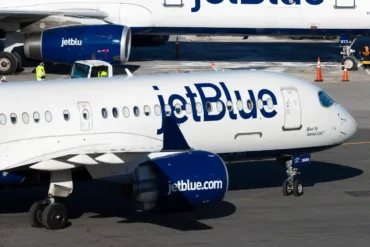
JetBlue occupies a fascinating position in the modern aviation landscape—caught somewhere between a challenger brand and a strategic prize. While the airline continues to publicly emphasize its JetForward turnaround plan, industry observers have increasingly shifted focus toward something far more compelling: the airline’s underlying asset value. In a sector where scale is hard-won and infrastructure is fiercely constrained, JetBlue holds a collection of advantages that are not easily replicated, no matter how much capital competitors deploy.
The conversation around a potential acquisition is not driven by JetBlue’s short-term profitability. In fact, the airline’s financial pressures are well documented. Instead, the intrigue stems from a sharper realization—JetBlue controls strategic footholds in critical markets, paired with a premium product and next-generation fleet strategy that could dramatically enhance a larger airline’s competitive positioning almost overnight.
This contrast—between financial strain and strategic richness—is exactly what makes JetBlue such an unusual and compelling case. It is not simply an airline trying to recover; it is a network puzzle piece that could unlock immediate value for the right buyer.
New York Dominance: The Crown Jewel of JetBlue’s Portfolio
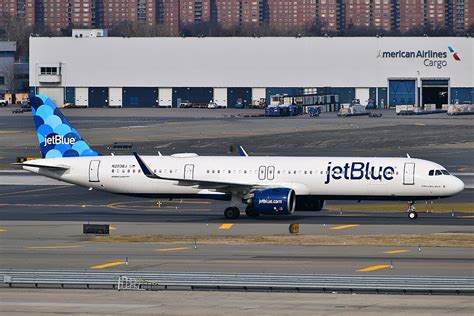
Any serious evaluation of JetBlue begins in New York City, where the airline’s presence is not just significant—it is deeply entrenched. At John F. Kennedy International Airport (JFK), JetBlue has built a powerful operational base centered around Terminal 5, with expansion into Terminal 6 reinforcing its long-term commitment to the market.
Slots and gates at JFK are among the most coveted assets in global aviation. Regulatory constraints and physical limitations make organic expansion painfully slow, often taking years or even decades. JetBlue’s position effectively bypasses those barriers. For any airline seeking to expand in New York, acquiring JetBlue would mean instant access to one of the world’s most competitive aviation hubs.
Beyond infrastructure, JetBlue has cultivated strong brand recognition as a customer-friendly, premium-leaning carrier in a market dominated by legacy giants. This combination of physical access and consumer loyalty creates a dual-layer advantage that is exceptionally difficult to reproduce.
The airline’s Blue Sky partnership with United Airlines further underscores the value of this footprint. Even without a merger, competitors have already demonstrated willingness to collaborate with JetBlue simply to gain partial exposure to its New York strength. That alone speaks volumes.
Boston, Florida, and the East Coast Network Effect
While New York serves as the centerpiece, JetBlue’s broader network amplifies its attractiveness. The airline maintains a commanding presence in Boston Logan International Airport, where it has effectively positioned itself as a leading carrier. This dominance complements its New York operations, forming a powerful Northeast corridor.
Further south, JetBlue’s operations in Fort Lauderdale and other Florida markets provide critical connectivity to leisure and business travel flows. The Northeast-to-Florida corridor is one of the most lucrative and consistently traveled routes in the United States, blending high-frequency business demand with seasonal leisure surges.
This geographic alignment creates a network effect that extends beyond simple route maps. JetBlue has built a cohesive East Coast ecosystem, linking major population centers with high-demand destinations in the Caribbean and Latin America. For a potential acquirer, this means acquiring not just routes, but an integrated traffic engine already tuned to profitable demand patterns.
Mint: A Premium Product That Redefines Competitive Positioning
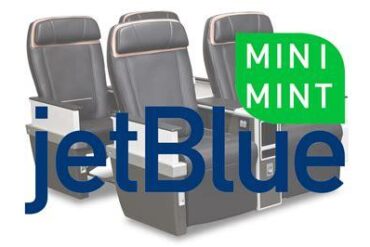
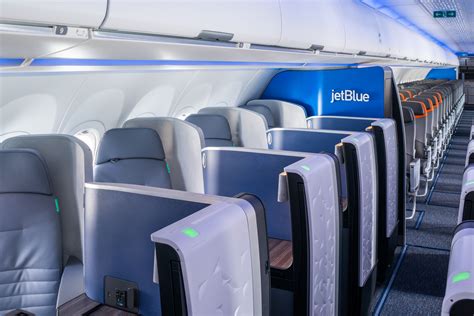
JetBlue’s Mint premium cabin is arguably one of its most valuable intangible assets. Introduced to disrupt traditional business-class offerings, Mint combines competitive pricing with a high-end experience that rivals—and in some cases exceeds—legacy carriers.
Featuring lie-flat seats, curated dining, and a boutique-style cabin atmosphere, Mint has successfully carved out a niche in both transcontinental and transatlantic markets. More importantly, it has elevated JetBlue’s brand perception from a low-cost hybrid to a serious premium contender.
This matters enormously in the context of a potential acquisition. A larger airline integrating JetBlue would not just gain routes; it would inherit a ready-made premium product that can be scaled across its network. Instead of building a new offering from scratch—a process that can take years—Mint provides an immediate upgrade path.
In competitive markets like New York to Los Angeles or Boston to London, premium cabins are critical revenue drivers. JetBlue’s success with Mint demonstrates that it has already solved a problem many airlines still struggle with: delivering premium value without alienating cost-conscious travelers.
Airbus Fleet Strategy: Efficiency Meets Flexibility
JetBlue’s fleet composition adds another layer of strategic appeal. Built around the Airbus A320 family, and increasingly incorporating the A220, the airline benefits from strong fleet commonality, reducing maintenance complexity and training costs.
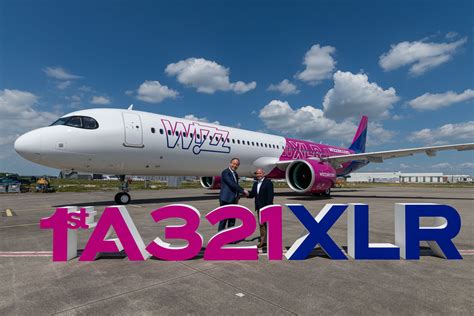
However, the real game-changer lies in JetBlue’s investment in the Airbus A321LR and upcoming A321XLR aircraft. These jets enable long-haul routes with lower operating costs compared to widebody aircraft, opening up what industry insiders call “long thin routes”—markets that are underserved but still profitable under the right cost structure.
The A321XLR, in particular, extends JetBlue’s reach even further. With its enhanced range, the aircraft allows the airline to connect secondary cities in Europe with hubs like New York and Boston. This creates opportunities that legacy carriers often overlook due to the inefficiencies of deploying larger aircraft.
For a potential buyer, this fleet strategy offers immediate flexibility. It enables network expansion without massive capital expenditure, while also aligning with industry trends toward fuel efficiency and sustainability.
Financial Pressure: The Catalyst Behind Strategic Interest
JetBlue’s attractiveness as an acquisition target is heightened—perhaps ironically—by its financial challenges. The airline faces a complex balancing act involving debt reduction, liquidity management, and operational disruptions, including ongoing issues with Pratt & Whitney GTF engines.
With significant interest expenses projected and a gradual path toward profitability under JetForward, JetBlue is operating under pressure to deliver results. This creates a window of opportunity for potential buyers who are less concerned with short-term earnings and more focused on long-term strategic gains.
From an investor perspective, a sale could unlock value more quickly than waiting for the turnaround plan to fully materialize. This dynamic explains why acquisition rumors tend to trigger strong market reactions. The underlying belief is simple: JetBlue’s assets may be worth more inside a larger network than as a standalone entity.
A History of Ambition—and Regulatory Resistance
JetBlue’s pursuit of growth through acquisitions is not new. Its attempted purchase of Spirit Airlines in 2022 was a bold move designed to accelerate expansion and enhance competitiveness against the “Big Four” U.S. carriers. However, regulatory opposition ultimately blocked the deal, highlighting the intense scrutiny surrounding airline consolidation.
Even earlier, JetBlue’s failed bid for Virgin America in 2016 demonstrated its long-standing desire to scale rapidly through strategic transactions. These efforts reveal a consistent pattern: JetBlue recognizes the limitations of organic growth in a highly consolidated industry.
Yet, these same efforts also underscore the central challenge facing any future deal—antitrust concerns. Regulators remain wary of consolidation that could reduce competition or increase fares, particularly in already concentrated markets like New York and Boston.
Potential Buyers: Strategic Fit vs. Regulatory Reality
Among the most discussed potential acquirers is United Airlines, which stands to gain significantly from JetBlue’s New York presence. United has historically struggled to establish a dominant position at JFK, and JetBlue offers a ready-made solution.
The existing partnership between the two airlines suggests a level of strategic alignment, making a deeper combination appear logical. However, this very alignment could trigger regulatory alarm bells, given the combined market power such a merger would create.
Alaska Airlines presents a different, and in some ways more complementary, scenario. With a strong West Coast focus, Alaska could use JetBlue to build a coast-to-coast network with minimal overlap. This positioning may appear more favorable from a competition standpoint, though timing remains a constraint due to Alaska’s ongoing integration of Hawaiian Airlines.
Southwest Airlines, while occasionally mentioned, appears less likely due to its unique operational model and limited presence in key JetBlue markets.

Regulatory Hurdles: The Ultimate Gatekeeper
Even the most strategically sound acquisition must pass through the gauntlet of regulatory approval. In today’s political climate, large airline mergers face intense scrutiny, with policymakers increasingly focused on preserving competition and preventing fare increases.
JetBlue’s recent legal challenges, including the dissolution of its Northeast Alliance with American Airlines, have only reinforced the perception that regulators are prepared to take aggressive action. Any potential merger would need to demonstrate clear consumer benefits—a high bar in an industry where consolidation often raises concerns.
This reality introduces significant uncertainty. Deals that appear compelling on paper can quickly unravel under regulatory pressure, making potential buyers cautious despite the strategic upside.
The Real Question: Opportunity or Risk?
JetBlue represents a rare paradox in aviation. On one hand, it is an airline grappling with financial headwinds and operational complexity. On the other, it is a strategic asset bundle that could transform another carrier’s network almost instantly.
The real question is not whether JetBlue is attractive—it clearly is. The question is whether any airline is willing to navigate the regulatory, financial, and operational risks required to unlock that value.
For now, the airline remains in a state of strategic ambiguity, publicly focused on its turnaround while quietly drawing interest from across the industry. Whether that interest evolves into a concrete deal will depend on factors that extend far beyond balance sheets.
What is certain, however, is that JetBlue’s combination of New York slots, premium Mint product, and forward-looking Airbus A321XLR strategy ensures it will remain at the center of aviation’s most intriguing conversations for years to come.