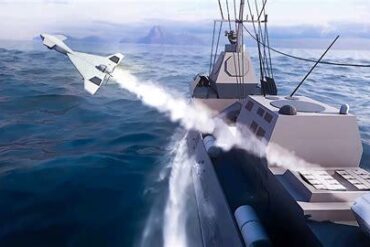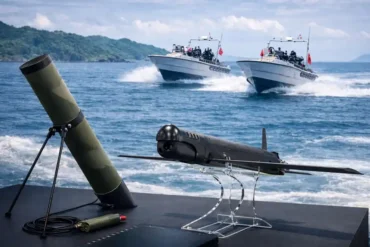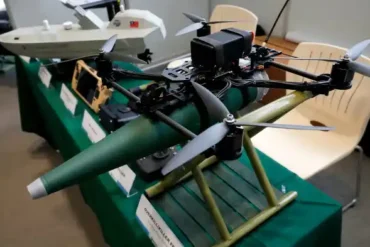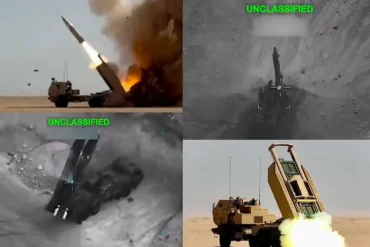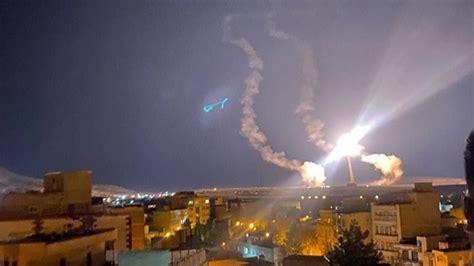
The Iranian Army has launched a fresh wave of combat and suicide drones at the occupied Palestinian territories as part of Operation True Promise III, signaling a sharp escalation in its military campaign. This latest offensive, which occurred on Saturday, June 21, 2025, marks the seventh and eighth stages of an ongoing retaliatory operation against the Zionist regime. In these stages, the army unleashed dozens of Shahed-136 suicide drones, targeting key Israeli military positions with precise, calculated strikes.
Drone Strike Execution and Impact
The operation saw the deployment of various types of explosive-laden drones, with most of them successfully hitting their designated targets. The Iranian Army emphasized that these drones were launched as part of a series of retaliatory strikes in response to Israeli aggression, which included attacks on Iranian civilian targets like hospitals and ambulances. These strikes reportedly came as a direct response to the assassination of Iranian military officials, scientists, university professors, and others, as well as the continued occupation of Palestinian territories.
In a statement, the Iranian military claimed the precision of these drone strikes, highlighting their ability to penetrate advanced air defense systems, which failed to intercept the Shahed-136 drones. This signifies the technological prowess of Iran’s drone capabilities and their strategic application in this high-stakes conflict.
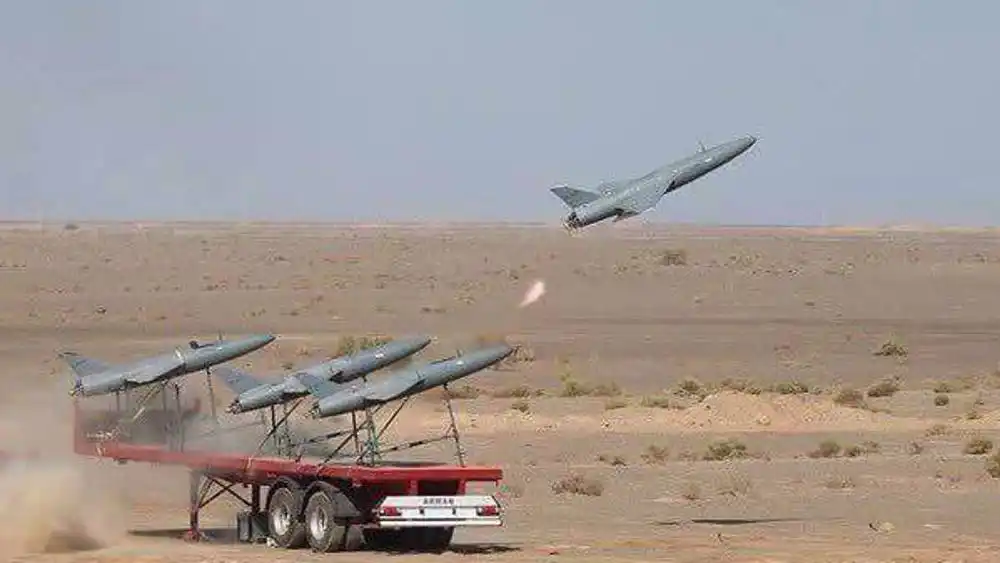
Operation True Promise III: A Strategic Counteroffensive
Operation True Promise III is part of an ongoing military operation by Iran, which has already seen the execution of 18 phases of combined missile and drone operations. Each phase has targeted key military and strategic sites, with substantial damage inflicted on Israeli infrastructure. These drone attacks have taken out military assets, command centers, and air defense systems, showing Iran’s capacity to wage a highly coordinated and sustained campaign.
The recent drone strikes also underscore the growing importance of suicide drones in modern warfare, offering Iran a cost-effective and highly precise weapon that can bypass conventional air defenses. The use of drones, particularly the Shahed-136, has proven to be a game changer in the conflict, allowing Iran to conduct asymmetric warfare with remarkable success.
Iranian Army’s Tactical Use of Shahed-136 Drones
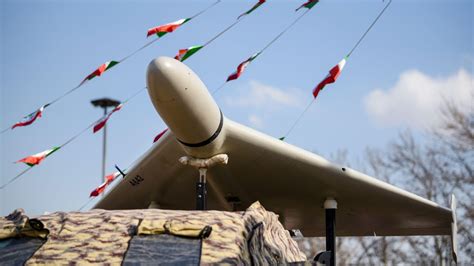
The Shahed-136 drone, a critical element in Iran’s drone warfare strategy, has been deployed in several high-profile operations. This drone is a suicide drone designed to carry explosives and deliver devastating strikes on enemy positions. Known for its long range, precision targeting, and ability to bypass advanced air defense systems, the Shahed-136 has become a symbol of Iran’s military innovation.
The drone has been successfully used in multiple missions over the occupied territories, continuously penetrating Israel’s airspace without being intercepted. The Iranian Army’s statement pointed out that the most advanced Israeli air defense systems were unable to detect or neutralize these drones, further highlighting the effectiveness of the Shahed-136 in modern conflict scenarios.
Escalating Tensions and Geopolitical Implications
This fresh wave of drone strikes also comes at a time of heightened tensions in the region, following a series of assassinations and attacks on Iranian personnel by Israeli forces. These actions have led to widespread condemnation from Tehran, with officials calling them unprovoked and a clear violation of international law.
The use of drones in Operation True Promise III also signals a shift in the strategic landscape of the Middle East. The region, already fraught with geopolitical complexities, now faces an escalating drone warfare scenario, where both state and non-state actors are increasingly turning to drones as a primary weapon of choice.
The Iranian military has made it clear that these strikes are retaliatory, and they have warned that they will continue until their demands for an end to Israeli aggression are met. Iran’s leadership has also vowed to expand the scope of these operations, with plans for further drone strikes aimed at weakening the Zionist regime‘s military capabilities.
Countermeasures and Israel’s Response
Israel’s response to this latest wave of Iranian drone strikes has been swift. The Israeli military has reported that it has launched countermeasures aimed at intercepting the incoming drones, although the effectiveness of these measures remains unclear. Israel has also been bolstering its air defense systems, in an attempt to address the vulnerabilities exposed by the Shahed-136 drones.
In addition to military measures, Israel has also appealed to the international community for support, framing the ongoing conflict as part of its broader security concerns in the region. Israeli officials have called for increased pressure on Iran to halt its military activities and de-escalate the situation.
The United Nations has expressed concern over the growing violence, urging both parties to engage in dialogue and find a peaceful resolution to the crisis. However, given the scale of the military operations and the deeply entrenched geopolitical interests at play, a diplomatic breakthrough seems increasingly unlikely.
The Future of Drone Warfare in the Middle East
As drone technology continues to evolve, it is becoming evident that it will play an increasingly central role in the military strategies of nations like Iran. The success of Operation True Promise III has solidified the Shahed-136 as a key component of Iran’s offensive capabilities, offering a low-cost yet highly effective means to strike at enemy targets.
For Israel, the rise of drone warfare presents a significant challenge. Despite its advanced air defense systems, the country will need to develop new strategies and technologies to counter the growing threat of suicide drones. It is likely that both sides will continue to invest in drone technologies, leading to a new era of asymmetric warfare in the region.
As the conflict intensifies, the implications of these technological advancements will be felt far beyond the immediate borders of Israel and Iran. The Middle East is rapidly becoming a testing ground for new military technologies, where the future of warfare may be determined by the balance of power in the skies above.