JetBlue Airways is facing a proposed class-action lawsuit seeking more than $5 million after a California passenger alleged that the airline charged him for a higher-priced fare advertised with free seat selection, but then assigned him a seat without giving him the opportunity to choose one. The case centers on whether JetBlue delivered a key benefit included in the fare the passenger purchased.
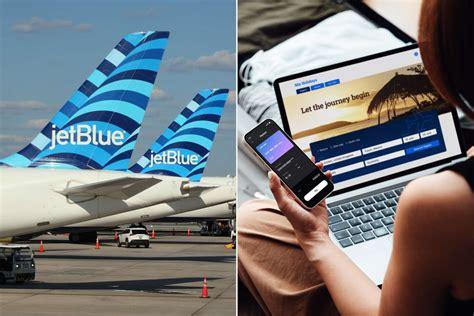
The complaint was filed by California resident Saman Kohanof on August 31. According to allegations described in the lawsuit, Kohanof used JetBlue’s mobile app to book a February flight to Fort Lauderdale-Hollywood International Airport (FLL). During the booking process, he was presented with multiple fare choices carrying different prices, benefits, and restrictions.
Kohanof allegedly selected a $379 one-way Blue fare after seeing that it included free seat selection. The less expensive Blue Basic option did not include that benefit. However, according to the complaint, JetBlue ultimately assigned Kohanof a seat without providing him with an opportunity to select one, despite the fare he had purchased.
JetBlue Lawsuit Claims Fare Benefit Was Not Provided
The central issue in the case is not simply whether JetBlue can restrict or block particular seats. Airlines routinely reserve seats or temporarily restrict seat assignments for operational, safety, aircraft configuration, or other logistical reasons. The lawsuit instead argues that JetBlue should not have marketed free seat selection as a benefit of the more expensive fare if that benefit could not actually be provided to the passenger.
The complaint reportedly describes the situation as a form of bait-and-switch, alleging that Kohanof paid more because the Blue fare included a benefit that was unavailable when he attempted to use it. The lawsuit argues that the airline either should have removed free seat selection from the fare’s advertised benefits in the circumstances or clearly informed the passenger before purchase that the benefit would not be available.
That distinction could be important as the litigation develops. A seat being unavailable does not necessarily establish that an airline violated its contractual or consumer-protection obligations. The lawsuit will instead have to address the circumstances surrounding the fare purchase, the availability of seat selection, JetBlue’s disclosures, and the legal significance of the advertised benefit.
Passenger Says JetBlue Offered No Refund or Fare Adjustment
According to the allegations, Kohanof contacted JetBlue after discovering that he could not select a seat but did not receive a refund, travel credit, or fare adjustment. The complaint argues that if Kohanof had known free seat selection would not be available, he would have selected the cheaper fare instead.
That allegation forms the basis for the lawsuit’s request for benefit-of-the-bargain damages, restitution, and other compensation. Because the complaint seeks class-action treatment, the potential financial exposure could extend beyond Kohanof if a court ultimately allows other similarly situated passengers to participate.
The lawsuit does not establish that JetBlue intentionally deceived passengers. It represents allegations that must proceed through the legal process, and JetBlue has not conceded the claims.
JetBlue told Simple Flying that it could not comment on pending litigation, while stating that the airline would not intentionally mislead customers and works to communicate the benefits associated with its fare options clearly.
JetBlue Has Changed Its Fare Structure
The dispute also comes as JetBlue has changed the names and structure of its fare products. The airline previously offered Blue Basic and Blue fares, while its current structure includes Main Base, Main, and Main Flex.
Under the fare structure described in the reference material, seat selection is not included with Main Base, while it is included with Main and Main Flex. Other differences involve changes, cancellations, same-day switches, boarding priority, TrueBlue earning rates, and other benefits.
What The $5 Million JetBlue Case Could Mean For Passengers
The lawsuit could become significant if the court permits it to proceed as a class action and determines that other customers encountered substantially similar circumstances. A successful class-action case would potentially involve passengers who paid for a fare believing that free seat selection was included but allegedly could not use that benefit.
At the same time, the outcome will depend on evidence and legal findings rather than the allegations alone. JetBlue’s disclosures, the specific booking interface presented to customers, seat availability at the time of purchase, and the airline’s policies could all become relevant as the case moves forward.
For passengers, the dispute highlights why fare benefits can matter just as much as the headline ticket price. Seat selection, baggage, changes, cancellations, and boarding privileges can substantially alter the value of an airline ticket, particularly when two fare classes differ by only a relatively small amount.
JetBlue’s current fare structure provides a clearer framework for distinguishing between products with and without included seat selection. However, the lawsuit involving Kohanof concerns an earlier booking and the benefits allegedly displayed during that transaction. The more than $5 million claim therefore remains a legal allegation rather than an established liability, with the court process set to determine whether JetBlue’s practices violated applicable law.