Flying with All Nippon Airways (ANA) is often anticipated with excitement, renowned for its exceptional service, punctuality, and comfortable cabins. However, navigating the nuances of ANA airline seat selection can sometimes feel like a complex puzzle, leaving passengers wondering about fees, timing, and the best strategies to secure their preferred spot. Unlike some carriers with straightforward, universal seat selection policies, ANA employs a more tiered approach, heavily influenced by fare class, booking channel, and loyalty status. This guide aims to demystify the process, providing you with comprehensive insights and actionable strategies to ensure your journey with ANA starts with the peace of mind that comes from having the best possible seat for your needs.
Understanding the intricacies of how ANA manages seat assignments is crucial for a stress-free travel experience, particularly on long-haul international flights where comfort is paramount. Passengers often find themselves questioning whether they need to pay for advance seat selection, if free options become available closer to departure, and what happens if they wait too long. The common assumption that most airlines open all seats for free selection 48 hours before the flight doesn’t uniformly apply to ANA, leading to potential confusion and, at times, disappointment if one isn’t well-informed. This article will delve deep into the various facets of ANA’s seat selection system, drawing from official information and real-world passenger experiences to offer a clear roadmap.
Understanding the ANA Seat Selection Landscape
At its core, ANA’s seat selection policy is designed to offer flexibility while also creating opportunities for ancillary revenue, a common practice in the modern airline industry. The ability to select a seat in advance, and whether this incurs a fee, is primarily determined by the fare class of your ticket and, to some extent, the route and aircraft type. Generally, passengers holding higher fare classes, such as Premium Economy, Business, or First Class, enjoy complimentary advance seat selection. However, for those traveling in Economy Class, the rules can be more varied and often involve a decision between paying for an early choice or waiting until the check-in window opens, typically 24 hours prior to departure, for a chance at free selection.

It’s important to note that even when free seat selection becomes available during the online check-in period, the inventory of available seats might be significantly limited. Popular seats, like those in exit rows, bulkhead positions, or preferred window and aisle seats, are often snapped up by passengers who opted for paid advance selection or those with elite frequent flyer status. This dynamic means that waiting for the 24-hour mark can be a gamble, especially on full flights or popular routes, potentially leaving travelers with less desirable middle seats or separated from their companions. Some passengers have reported experiences where, even for Business Class (J Class), seat selection was not permitted until the 24-hour online check-in window, highlighting that policies can sometimes have unexpected applications or variations.
Decoding ANA Fare Classes: Your Key to Seat Privileges
To truly master ANA seat selection, one must first understand the airline’s fare structure, as this is the primary determinant of your seat assignment entitlements. ANA, like many global carriers, offers a range of fare classes within each cabin, each with its own set of rules regarding baggage, changes, cancellations, and, crucially, seat selection.
Economy Class Seat Selection on ANA
ANA’s Economy Class is not a monolithic entity; it comprises several fare types, and seat selection privileges differ accordingly. The most restrictive fares, often labeled as Basic Economy or similar promotional fares, typically do not include any form of advance seat selection, not even for a fee. Passengers with these tickets will usually have their seats assigned automatically by the system during the check-in process or at the airport. This can be a significant concern for families or groups wishing to sit together, or for individuals with strong preferences for aisle or window seats. One passenger experience highlighted an inability to select seats even with paying on a Basic Economy fare, underscoring this restriction.
For other Economy Class fare types, such as Value, Basic Plus, or Flex, ANA may offer the option of paid advance seat selection. The fees for these selections can vary based on the seat’s location (e.g., forward cabin, extra legroom) and the length of the flight. Some of these non-basic Economy fares might also allow free standard seat selection closer to the departure date, but this is not always guaranteed and often falls within that 24-hour check-in window. The key takeaway is to carefully review the conditions of your specific Economy fare at the time of booking or by checking your reservation on the ANA website. If you booked through a partner airline like United, you might receive an ANA reservation number that can be used on ANA’s site to manage your booking, including seat selection, depending on the fare rules of the ticket issued by the partner.
Premium Economy: Enhanced Comfort and Choice
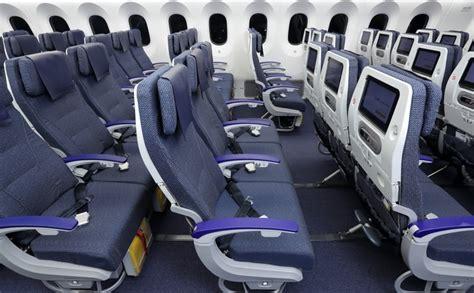
Stepping up to ANA Premium Economy generally brings a significant improvement in seat selection privileges. Passengers in this cabin typically enjoy complimentary advance seat selection as part of their ticket. This allows for early choice of the wider, more comfortable seats with increased legroom and recline that characterize this cabin. Given the enhanced comfort, securing a good seat in Premium Economy can make a substantial difference on long-haul journeys, making the inclusive advance selection a valuable perk. The seats themselves are a notable upgrade from standard Economy, often featuring larger screens, power outlets, and more attentive service, making the ability to choose your preferred spot well in advance a welcome benefit.
Business Class: The Height of Pre-Flight Customization
ANA’s Business Class, famous for its innovative products like “The Room” and “The Suite” on select aircraft, naturally comes with complimentary advance seat selection. Passengers investing in a Business Class ticket expect a high degree of control over their travel experience, and choosing their private pod or seat is a fundamental part of this. Whether you prefer a window seat for the views, an aisle seat for easy access, or a seat closer to the front of the cabin, you can typically make your selection at the time of booking or shortly thereafter through ANA’s website or customer service. Given the variety of seat configurations even within Business Class on different aircraft (e.g., forward-facing, angled, direct aisle access for all), being able to select your specific seat is highly advantageous.
First Class: The Ultimate in Personalization
For those traveling in ANA First Class, which often features luxurious private suites, full complimentary advance seat selection is a standard and expected feature. Passengers in this exclusive cabin have the utmost flexibility in choosing their preferred suite, ensuring their journey is tailored to their exact preferences from the moment of booking. The limited number of seats in First Class means that while availability is generally good for advance selection, booking early is always recommended for the widest choice.
The 24-Hour Check-In Gamble: Free Seats vs. Limited Availability
For many Economy Class passengers, particularly those on fares that don’t include free advance selection or who wish to avoid paying extra, the 24-hour online check-in window is the first opportunity to choose a seat without an additional charge. ANA, like many airlines, typically opens up seat selection for most remaining unassigned seats at this point. However, relying on this option can be a significant gamble, especially on popular routes or during peak travel seasons. As one traveler shared, their experience indicated that seats opened 24 hours before the flight, but by then, “the seats were all taken,” leading to their advice to select seats prior as ANA flights are often full.
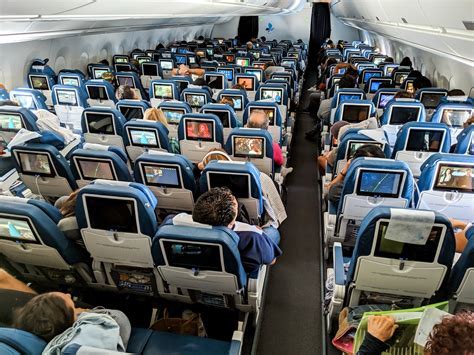
The primary risk is limited availability. By the time the 24-hour window opens, a large portion of the desirable seats – windows, aisles, and seats in preferred sections of the cabin – may have already been assigned to passengers who paid for advance selection, those with elite status, or those on higher fare classes. This can leave those checking in at the 24-hour mark with a restricted choice, often confined to middle seats or seats in less desirable locations, such as near lavatories or galleys. For families or groups traveling together, this period is particularly fraught with anxiety, as the chances of being seated separately increase dramatically if advance arrangements haven’t been made. While some passengers have successfully selected seats during this window, it’s crucial to approach it with an understanding that your preferred seat may no longer be available, and flexibility will be key.
Proactive Strategies for Securing Your Ideal ANA Seat
Navigating ANA’s seat selection system successfully often requires a proactive approach. Simply hoping for the best at check-in might not yield the desired results, especially for long-haul comfort. Here are several strategies to enhance your chances of securing a seat that meets your preferences:
The Wisdom of Early Booking and Paid Selection
If seat comfort and location are high priorities for your journey, particularly on flights exceeding a few hours, the most straightforward strategy is to book your flight early and opt for paid advance seat selection if your fare class requires it. While it adds to the overall cost, the peace of mind and guaranteed comfort can be well worth the investment. As one passenger succinctly put it regarding an exit row seat on a long flight from Narita to Mexico City, it was “worth every penny.” This sentiment is often echoed by travelers who value legroom or a specific seat type. Consider the duration of your flight and your personal comfort needs; for an overnight transpacific flight, paying a fee for an aisle or window seat, or extra legroom, could significantly improve your travel experience.
Leverage Your Fare Class Knowledge
Understanding the seat selection privileges associated with your specific ANA fare class is fundamental. Before finalizing your booking, or even while comparing flight options, pay close attention to the fare rules. If sitting with companions or having a particular seat type is non-negotiable, it might be worth choosing a slightly higher fare class that includes complimentary advance seat selection or offers more favorable paid options. Don’t assume all Economy tickets are created equal; the difference between a Basic Economy and a Flex Economy fare can be substantial in terms of seat choice.
Unlocking Benefits with ANA Mileage Club & Star Alliance Status
Frequent flyers with ANA Mileage Club elite status (e.g., Bronze, Platinum, Diamond) or Star Alliance Gold status often receive preferential treatment regarding seat selection. This can include complimentary access to preferred seats, a wider selection of seats available in advance, or waived fees for certain seat types, even when traveling on lower Economy fares. If you hold elite status, ensure your frequent flyer number is included in your booking and check your entitlements on the ANA website or by contacting customer service. These benefits are a significant perk of airline loyalty and can greatly simplify the seat selection process.
Navigating Partner Bookings (e.g., United to ANA)
Many passengers book ANA flights through partner airlines, such as United Airlines, a fellow Star Alliance member. In such cases, you will typically receive a booking reference from the ticketing airline (e.g., United) and often a separate ANA reservation number (PNR). One traveler noted, “I buy through United but I chose the flights operated by ANA whenever possible… I was able to select ALL seats, when I looked for the flights on ANA website with their reservation number provided by United.” This is a common and often successful strategy. Once you have the ANA PNB, visit the ANA website and use the “Manage Reservation” feature. Depending on the fare rules of the ticket issued by the partner, you may be able to select or purchase seats directly with ANA. However, be aware that sometimes the most restrictive fare classes booked via partners may still limit advance seat selection.
The Power of a Phone Call: Contacting ANA Customer Service
When online systems present limitations or if you have specific needs (e.g., traveling with infants, medical requirements, or large groups), contacting ANA customer service directly by phone can sometimes yield positive results. Several users reported success after speaking with an agent. For instance, one passenger who “didn’t get the option to select seats even though the deal came with ‘assigned seating for a fee'” was able to get their seats assigned after calling ANA customer service. Another confirmed, “I spoke to ANA customer service this morning and was able to get the assigned seating.” Agents may have access to seat inventory or policies not visible online, or they might be able to assist with group seating arrangements. If you’re facing difficulties, a polite call to the ANA service center (e.g., the 800-235-9262 number for the US) is a worthwhile step.

Targeting Special Seats: Exit Rows and Bulkheads
Seats in exit rows and bulkhead rows are highly coveted for their additional legroom. ANA typically restricts these seats and often charges a premium for them. Eligibility criteria also apply, such as being able to assist in an emergency. These seats are usually available for selection in advance for a fee, or sometimes offered to elite frequent flyers. If extra legroom is your primary concern, investigate the cost and availability of these seats for your flight. As mentioned, the experience of one flyer found an exit row seat to be “worth every penny,” highlighting their value on long journeys.
Tips for Families and Groups Traveling Together
Traveling with family, especially with young children, or in a group, makes sitting together a high priority. The risk of being separated is a major concern. The most reliable way to ensure your group is seated together is to select seats in advance, even if it incurs a fee. Waiting until the 24-hour check-in window is extremely risky for groups. If advance selection isn’t possible or is prohibitively expensive, call ANA customer service to explain your situation; airlines often try to accommodate families with children, though this is not guaranteed. Booking all tickets on the same reservation is crucial. If issues arise, speaking with gate agents at the airport can sometimes help, but this should be a last resort as options become very limited by then. One passenger traveling with family explicitly stated they “booked the seats prior” because of this concern.
Navigating the ANA Website: A Visual Guide to Seat Selection
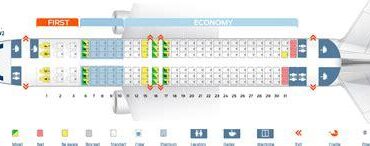
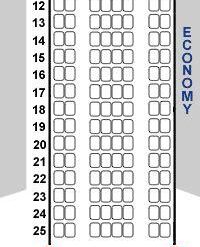
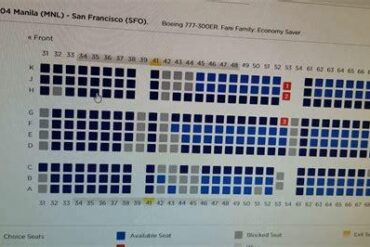
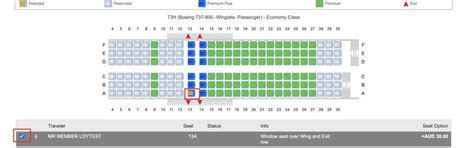
Once you have your ANA booking reference, the airline’s official website is your primary portal for managing your flight, including seat selection. After logging into your reservation, you should find an option to view or change seats. ANA’s seat maps are generally clear, visually representing the aircraft layout. Different colors or icons typically denote standard seats, preferred seats (often requiring a fee or elite status), extra legroom seats, and already occupied seats. Pay attention to the legend provided with the seat map to understand the characteristics of each seat type. Consider proximity to lavatories and galleys, which can be noisy or high-traffic areas. Window seats in some rows might have misaligned windows or obstructions from the wing. Websites like SeatGuru can be excellent supplementary resources, providing detailed seat maps and reviews for specific aircraft types and flight numbers, helping you make a more informed decision before selecting on the ANA portal.
Why is ANA Seat Selection So Nuanced? Understanding the Airline’s Approach
The perceived complexity of ANA’s seat selection process stems from several interconnected factors prevalent in the airline industry today. Firstly, tiered fare structures are a core element. Airlines unbundle services to offer lower base fares, with ancillaries like seat selection becoming a way to generate additional revenue and allow passengers to pay only for the services they value. ANA’s diverse range of Economy fares, each with different rules, is a direct result of this strategy. Secondly, dynamic inventory management means that seat availability and pricing can change based on demand, time until departure, and flight load. What’s available one day might not be the next.
Furthermore, partnership complexities with other airlines, like those in Star Alliance, can add another layer. While beneficial for network reach, aligning seat selection policies and system compatibilities across different carriers can be challenging, leading to situations where selection processes differ depending on which airline issued the ticket. Ultimately, ANA aims to balance passenger choice with revenue optimization, catering to those willing to pay for certainty and comfort while providing a basic option for the most price-sensitive travelers. This approach, while logical from a business perspective, necessitates a more informed and proactive passenger to navigate it effectively.
ANA Seat Selection in Context: A Brief Comparison
The practice of charging for advance seat selection, especially in Economy Class, is not unique to ANA. Many full-service carriers worldwide have adopted similar models. For instance, a user mentioned Lufthansa charging 29 euros for a standard seat selection on a 2-hour EU flight if not taking the randomly allocated one 24 hours prior. This highlights a broader industry trend towards unbundling fares and monetizing preferred seating. Some low-cost carriers take this even further, charging for nearly all seat assignments. Compared to some ultra-low-cost models, ANA’s premium cabins still offer generous complimentary selection, and even in Economy, opportunities for free selection exist, albeit closer to departure. The key differentiator often lies in the clarity of policies and the range of options available across different fare levels. ANA’s system, with its multiple Economy fare tiers, can appear more intricate than some competitors who might have simpler, albeit still paid, selection tiers.
Real Voices, Real Flights: Passenger Insights on ANA Seating
The experiences shared by fellow travelers offer invaluable practical insights that go beyond official policy statements. The consensus among many who have flown ANA, especially on popular routes, is that waiting until the last minute for seat selection is risky. The advice to “select seats prior as they are likely full for ANA flights nowadays” is a recurring theme for those prioritizing specific seating. The success stories involving calling ANA customer service are also noteworthy, suggesting that direct human interaction can sometimes overcome online limitations, particularly for those with “assigned seating for a fee” included in their deal but not accessible online, or for those needing to make changes to existing selections.
Concerns about being separated when traveling with family or in a group are valid, and the proactive measure of booking seats in advance, even if paid, is a common solution shared by experienced flyers. The value placed on exit row seats for long-haul comfort is another strong takeaway, with passengers deeming the extra cost justified. These firsthand accounts underscore the importance of understanding your fare type, being proactive, and utilizing all available channels, including customer service, to secure your desired seats on ANA flights.
Your ANA Journey, Your Comfort: Final Takeaways for Smart Seat Selection
Securing the right seat on your ANA flight can significantly enhance your overall travel experience, transforming a long journey from an endurance test into a comfortable voyage. The key to successfully navigating ANA’s seat selection process lies in understanding, planning, and proactivity. Always begin by identifying your fare class and its associated seat selection privileges. If comfort and specific seat preferences are paramount, especially for long-haul flights or when traveling with others, consider paying for advance seat selection or choosing a fare class that includes this benefit. Don’t underestimate the power of your frequent flyer status; ensure it’s linked to your booking to unlock any potential perks.
For those booking through partner airlines, diligently seek out your ANA PNR to manage your booking directly on the ANA website. If online options are restrictive or confusing, don’t hesitate to call ANA customer service; agents can often provide solutions or clarity. While the 24-hour check-in window offers a chance for free seat selection, approach it with caution, understanding that availability may be severely limited. By arming yourself with this knowledge and these strategies, you can approach your ANA seat selection with confidence, increasing your chances of enjoying your flight from your preferred vantage point, ensuring your journey with one of the world’s premier airlines is as pleasant in the air as its reputation suggests.