Choosing the right seat on an airplane is far more than a matter of personal habit. It can determine how rested you feel upon arrival, how easily you move around the cabin, and even how you perceive the entire journey. While frequent flyers debate endlessly between aisle and window, flight attendants quietly agree on one specific seat that consistently delivers the best overall experience. Their perspective is uniquely valuable because they have seen every cabin configuration imaginable, flown countless aircraft types, and understand how subtle details affect comfort in the air.
Airlines continue to reduce seat pitch in economy cabins, squeezing rows ever closer together in the name of efficiency. Reclining battles, limited knee space, and constant disturbances have become normalized. Yet within this dense layout, there are still a handful of seats that stand apart. According to cabin crew who regularly travel as passengers, one category of seat repeatedly outperforms all others when comfort, privacy, and practicality are weighed together.
The reason this seat stands out has little to do with price and everything to do with aircraft design, emergency regulations, and how service flows through the cabin. These insights rarely appear on booking screens, but once understood, they change the way seasoned travelers choose their seats forever.
Why Flight Attendants See the Cabin Differently
Flight attendants do not evaluate seats the same way most passengers do. Their judgment is shaped by operational reality rather than marketing promises. They know which rows stay quieter, which seats suffer from constant traffic, and which areas of the cabin experience temperature fluctuations or light pollution throughout the flight.
Because they work onboard, they also understand how emergency procedures influence seat design. Regulations dictate legroom, recline limits, and storage rules in certain rows, creating unintended comfort advantages for passengers who know where to look. Flight attendants consistently gravitate toward seats shaped by safety requirements rather than revenue optimization, because these seats often provide the most physical space.
Another factor influencing their preference is rest. Cabin crew value sleep quality above almost everything else when traveling off duty. Seats that allow for better leg extension, wall support, and reduced interruptions quickly become favorites. Over time, a pattern emerges, and one seat type rises above the rest.
The Exit Row Window Seat: The Crew’s Unspoken Favorite
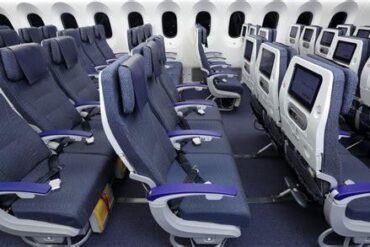
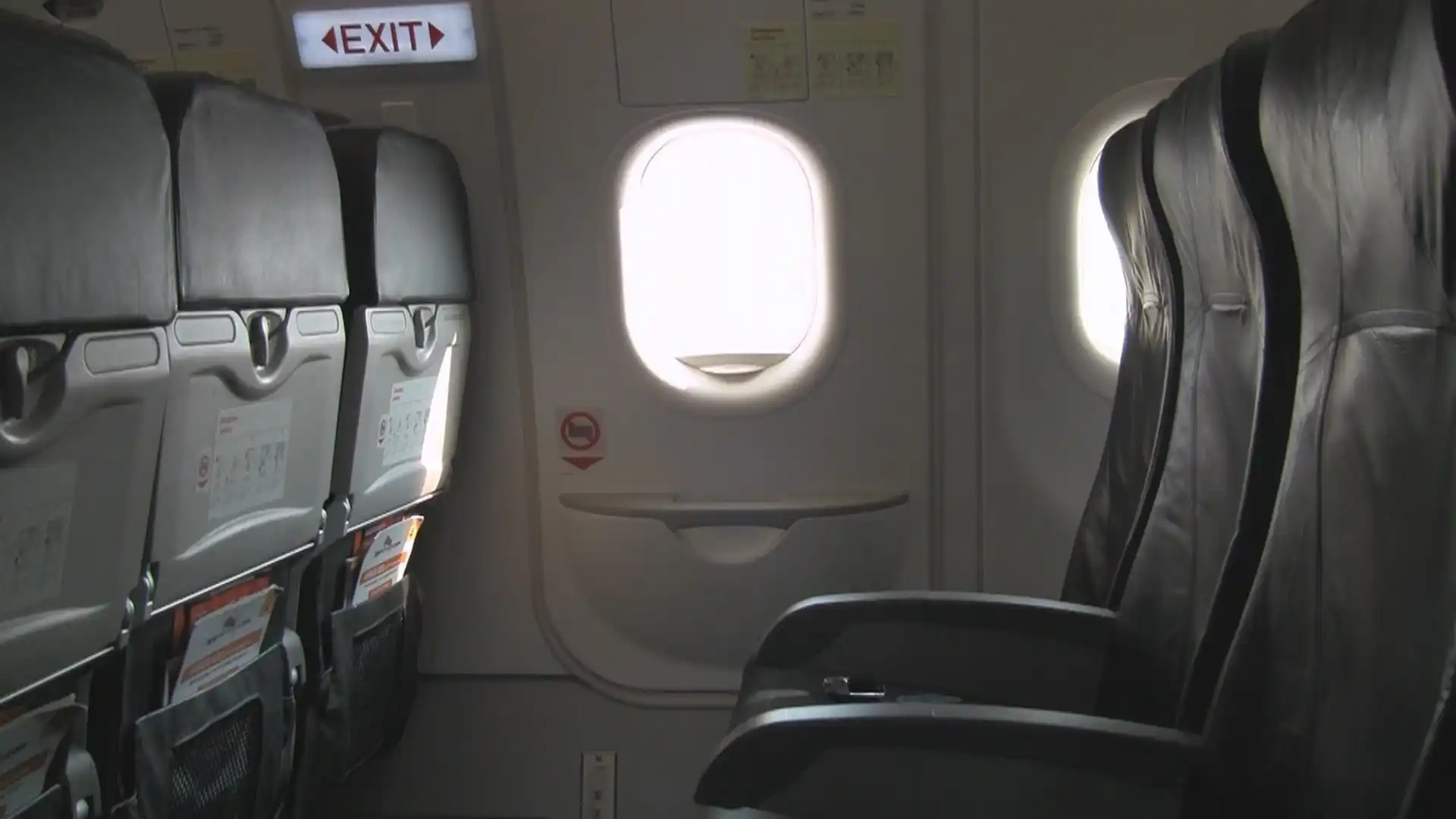
Among all economy seats, the exit row window seat is the one flight attendants most often choose for themselves. This preference is not accidental. Exit rows are designed to allow for rapid evacuation, which means they are built with significantly more legroom than standard economy rows. For passengers, this translates into a rare luxury: the ability to stretch without encroaching on someone else’s space.
The window position within the exit row amplifies this advantage. Unlike aisle seats, it offers a solid wall to lean against, making it easier to sleep and brace during turbulence. At the same time, it eliminates the constant interruptions caused by neighbors needing to get up. This combination of space, stability, and isolation is precisely what flight attendants value most when they are not on duty.
On narrow-body aircraft such as the Airbus A320 or Boeing 737, exit row window seats like 21A or 21F are especially prized. These seats often feel more like premium economy than standard economy, despite costing far less than an upgrade.
Personal Space in an Era of Shrinking Seats
Personal space has become the most precious commodity in modern air travel. Seat width has remained largely unchanged for decades, but seat pitch has steadily decreased. This makes legroom the defining factor in comfort, particularly on flights longer than three hours.
Exit row seats solve this problem better than any other option in economy class. With no seat immediately in front of them, passengers gain unrestricted knee space and greater freedom of movement. Flight attendants point out that this extra room reduces fatigue, improves circulation, and significantly lowers the discomfort caused by prolonged sitting.
Bulkhead seats also offer increased legroom, but they come with trade-offs that make them less desirable overall. Exit row window seats strike a balance by providing space without exposing passengers to excessive noise or traffic.
For travelers who cannot justify business or premium economy fares, this seat delivers a disproportionate return on investment, especially on long-haul routes.
Why the Window Matters More Than You Think
The window seat is often chosen for views, but flight attendants appreciate it for a more practical reason: it creates a sense of enclosure. Being able to lean against the fuselage allows the body to relax in a way that aisle and middle seats rarely permit. This is particularly important during overnight flights, where sleep quality directly affects how the next day unfolds.
In exit rows, the window seat also benefits from reduced foot traffic. Service carts, crew members, and other passengers tend to cluster around aisles and galleys. The window side remains comparatively undisturbed, making it easier to remain asleep or focused.
Another subtle advantage is temperature control. Exit row window seats are often slightly cooler, which many experienced travelers find more conducive to rest. Cabin crew frequently mention that cooler areas of the plane feel fresher and less stuffy over time.
Understanding the Safety Trade-Offs
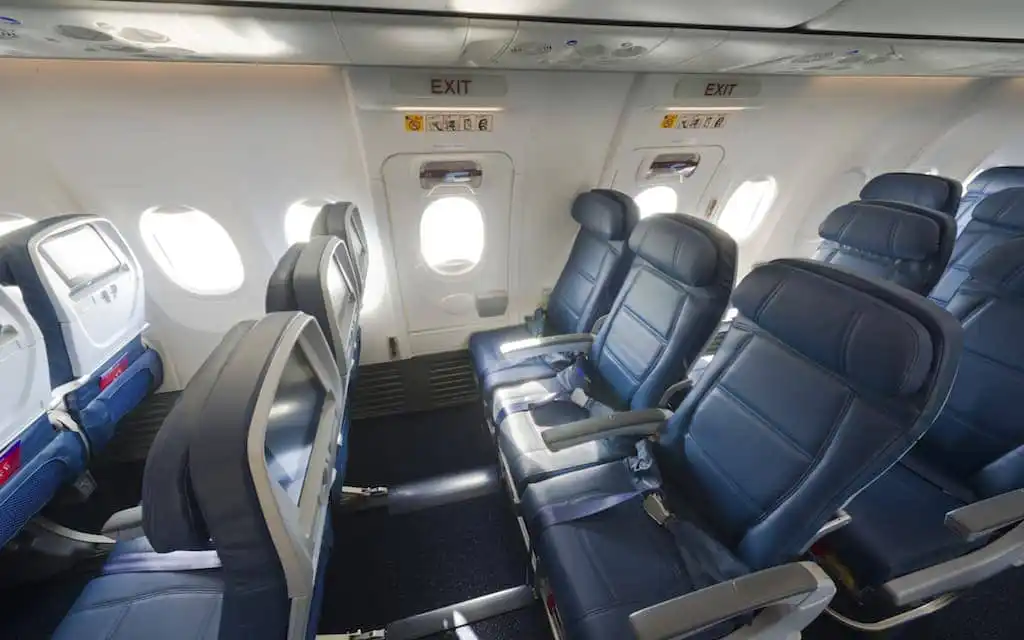
Exit row seats come with responsibilities, and flight attendants are keenly aware of them. Passengers seated in these rows must be physically capable of assisting in an emergency, able to understand crew instructions, and willing to act if required. This is why families with small children, passengers with reduced mobility, or those needing seatbelt extensions are typically reseated.
These requirements, however, are precisely what keep exit row seats comfortable. Because they cannot recline fully and must remain unobstructed, airlines design them with fixed boundaries and reinforced spacing. The same safety rules that protect evacuation routes also protect passenger comfort.
It is also common for under-seat storage to be restricted in these rows. While this means keeping bags in overhead lockers, flight attendants see this as a minor inconvenience compared to the benefits of additional legroom and personal space.
Convenience Versus Comfort: Why Aisle Seats Fall Short
Aisle seats are often marketed as the most practical choice, allowing easy access to lavatories and the ability to stretch. While this is true, flight attendants note that aisle seats come with hidden costs. Constant interruptions from seatmates, exposure to passing carts, and the risk of being bumped during service all erode comfort over time.
In contrast, exit row window seats minimize these disruptions while preserving mobility through extra legroom. Passengers can stand and move without climbing over others, even from the window position, because of the expanded space.
For shorter flights, aisle seats may be acceptable. But on longer routes, the cumulative effect of interruptions and noise makes them less appealing to those who prioritize rest.
Bulkhead Seats: A Mixed Blessing
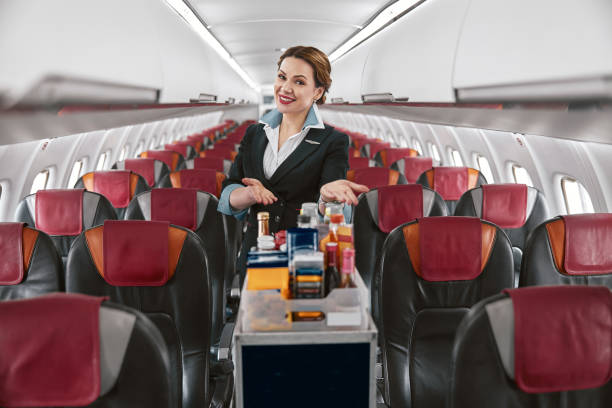
Bulkhead seats often appear attractive due to their legroom, but flight attendants approach them cautiously. Located near galleys and lavatories, these seats are exposed to constant activity. Galley noise, light from preparation areas, and passengers lining up for restrooms can significantly disrupt rest.
Additionally, tray tables and entertainment screens are typically stored in armrests, reducing seat width and making it impossible to use them during taxi and takeoff. For passengers who value uninterrupted sleep or a sense of calm, bulkhead seats often disappoint despite their space advantage.
Exit row window seats, by comparison, are usually positioned away from the busiest cabin zones, offering a quieter and more stable environment.
Long-Haul Flights and the Center of Gravity Advantage
Flight attendants also consider aircraft physics when choosing seats. The middle of the aircraft, near the wings, experiences less motion during turbulence. This is where the plane’s center of gravity lies, resulting in smoother ride conditions.
Exit rows are frequently located near this area, combining reduced turbulence with increased legroom. This makes exit row window seats particularly appealing for nervous flyers or those sensitive to motion.
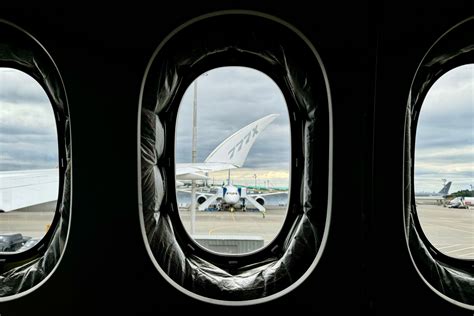
Visual reference points, such as the wing or fixed cabin features, also help maintain orientation during turbulence. Window seats near the wing provide a steady frame of reference that can reduce anxiety.
When the Rear of the Cabin Becomes an Opportunity
Flight attendants occasionally choose seats near the rear of the aircraft when loads are light. Airlines typically assign seats from the front first, leaving empty rows at the back. This can create unexpected opportunities to stretch across multiple seats.
However, this strategy is unpredictable and relies heavily on flight occupancy. It also requires cooperation with cabin crew. The exit row window seat remains the most reliable option regardless of load factors, making it a consistent favorite among professionals.
The Real Best Seat Depends on What You Value Most
While flight attendants consistently favor the exit row window seat, they acknowledge that the “best” seat is ultimately subjective. Passengers prioritizing quick exits may prefer seats closer to the front. Those traveling with infants may need bulkhead access for bassinets. Others may value aisle access above all else.
What sets flight attendants apart is their ability to see beyond common assumptions. Their preference is shaped by experience, repetition, and an understanding of how aircraft design impacts human comfort. When all factors are considered, the exit row window seat emerges as the most balanced choice in economy class.
Air travel continues to evolve, with premium economy expanding and business class becoming more exclusive. Yet for travelers navigating economy cabins, informed seat selection remains the most powerful tool available. Choosing wisely can transform a cramped flight into a surprisingly comfortable journey, and nowhere is that more evident than in the seat flight attendants quietly choose for themselves.