American Airlines is preparing a major transformation of its domestic narrowbody cabins, with the carrier planning to increase the share of premium seats from roughly 25% to approximately 40% over the coming years. Announced on August 18, 2026, the move represents a 60% increase in the proportion of premium seating and marks one of the airline’s most significant narrowbody cabin strategies in years.
The Fort Worth-based airline is combining the premium-seat expansion with a broader interior modernization program. Existing aircraft will undergo cabin retrofits, while newly delivered Airbus and Boeing narrowbodies will arrive with revised configurations. The objective is straightforward: create more seats that generate higher revenue while giving passengers additional opportunities to purchase or receive an upgraded experience.
Rather than applying one identical layout across the fleet, American Airlines will tailor the changes to individual aircraft families. The program includes additional First Class and Main Cabin Extra (MCE) seating, allowing the airline to capture more premium demand across its extensive domestic network. At the same time, the carrier is investing in seatback entertainment, connectivity, charging and other cabin improvements.
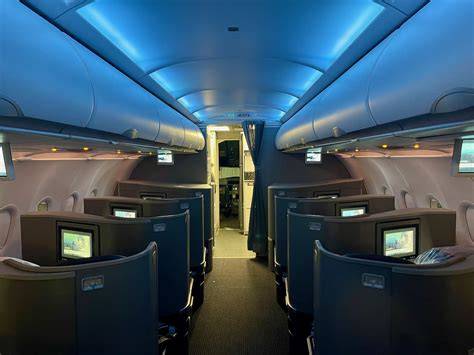
American Airlines Expands First Class and Main Cabin Extra
American currently estimates that premium seats account for approximately one-quarter of its narrowbody capacity. Raising that figure to 40% would fundamentally alter the balance between standard economy and premium seating on many of its most frequently operated aircraft.
The expansion will involve both aircraft already in service and future deliveries. American is retrofitting its Airbus A319 and A320 fleets with an additional row of First Class, increasing the amount of premium inventory available on these aircraft. The airline is also preparing for the arrival of the Boeing 737 MAX 10, which will be delivered with 24 First Class seats.
The Airbus A321neo fleet is also scheduled for a significant change. American plans to reconfigure these aircraft with 24 First Class seats, with the work expected to begin in late 2028. These changes demonstrate that the airline is not relying solely on new aircraft to increase premium capacity. Instead, it is using a combination of retrofits and new deliveries to reshape the fleet.
American Chief Customer Officer Heather Garboden described the strategy as part of a wider effort to give customers more ways to relax, stay connected and enjoy their journey. The premium-seat increase therefore sits within a much larger attempt to redefine the domestic narrowbody experience.
Why Main Cabin Extra Matters
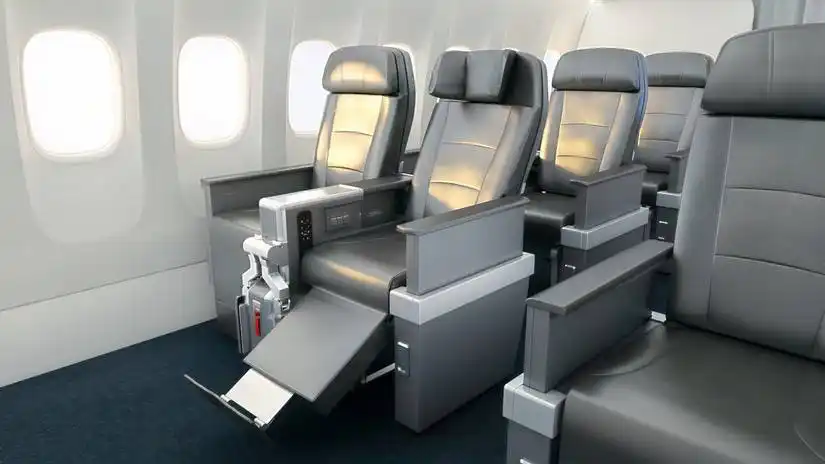
While First Class receives much of the attention, Main Cabin Extra could be one of the most important elements of American’s strategy. The product provides additional legroom alongside benefits such as earlier boarding, dedicated overhead-bin access and a complimentary beverage.
American’s current MCE supply can be relatively limited on some of its most common narrowbody aircraft. Its Boeing 737-800 and 737 MAX 8, for example, currently offer only 24 MCE seats when exit-row seating is included. That can make extra-legroom inventory difficult to secure, particularly on busy domestic routes.
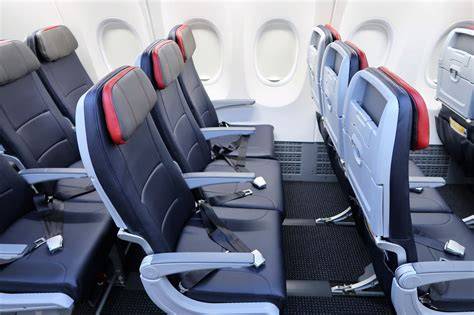
Increasing MCE availability gives American another way to monetize passenger demand for comfort without requiring travelers to purchase First Class. For frequent flyers, it could also create more opportunities to use elite benefits, select preferred seats or obtain upgrades.
The change is particularly important as US airlines increasingly recognize that passengers are willing to pay for space and convenience. A larger premium cabin allows American to serve travelers with different budgets while potentially improving revenue per flight.
A Broader Narrowbody Cabin Makeover
The premium-seat expansion will not happen in isolation. American says virtually all of its narrowbody aircraft will receive refreshed interiors, including redesigned seats, additional storage and improved lighting.
Beginning in 2028, every new Airbus and Boeing narrowbody delivered to American is expected to feature seatback entertainment at every seat. The airline also plans to retrofit existing aircraft as quickly as possible. The entertainment system will include large-format displays, 4K technology, Bluetooth audio, USB-C charging and personalized entertainment options.
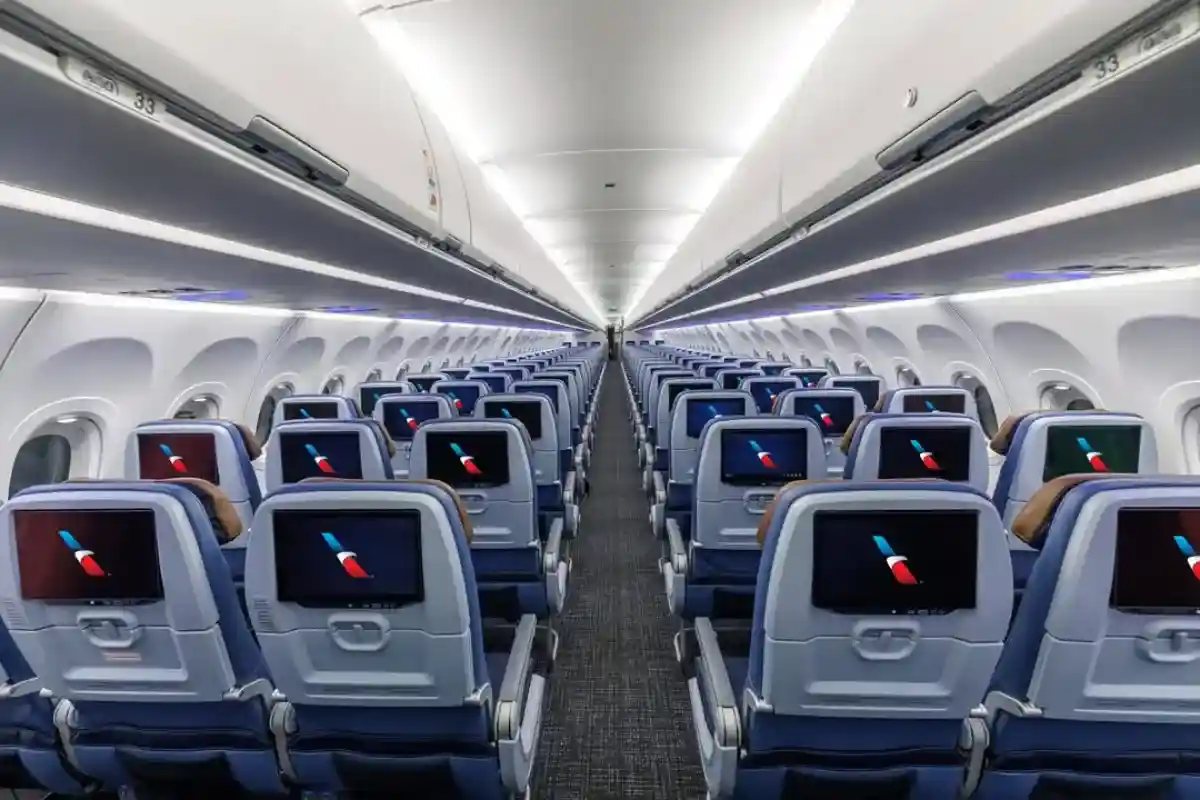
Connectivity is another major part of the transformation. American is preparing to introduce Starlink high-speed Wi-Fi on its narrowbody aircraft beginning in 2027. Combined with expanded premium seating and upgraded entertainment, the investment points toward a domestic cabin that looks increasingly different from the stripped-back configurations historically associated with US narrowbody travel.
The Premium Transformation Will Take Years
Despite the scale of the announcement, passengers should not expect the entire fleet to change overnight. The program will unfold through a mixture of scheduled retrofits and new aircraft deliveries, with some major configurations not beginning until the latter part of the decade.
The premium-seat strategy is therefore a long-term fleet transformation, with the full impact expected to become visible into the early 2030s. By then, American should have substantially more premium inventory available across its domestic network.
That timeline also gives the airline an opportunity to adjust its strategy as customer demand evolves. If travelers continue placing a high value on extra legroom, better seats, reliable connectivity and onboard entertainment, the larger premium cabin could become an increasingly important source of revenue.
American Airlines Bets on Premium Domestic Travel
Moving from 25% to 40% premium seating is far more significant than simply adding a few First Class rows. It represents a fundamental shift in how American Airlines intends to configure and monetize its narrowbody fleet.
The airline is effectively betting that domestic travelers will continue paying for more comfort and better amenities. By expanding both First Class and Main Cabin Extra, American can target customers across several spending levels while giving frequent flyers more valuable upgrade and seating opportunities.
At the same time, the investment in entertainment, Wi-Fi, charging and refreshed interiors suggests that American wants premium and standard passengers alike to see a meaningful improvement in the onboard experience.
If the plan unfolds as announced, 40% premium capacity could become one of the defining features of American Airlines’ narrowbody fleet in the 2030s. The shift illustrates how rapidly the economics of domestic air travel are changing: the standard economy seat remains essential, but airlines increasingly see the space around it—and the willingness of passengers to pay for something better—as an opportunity they can no longer afford to ignore.