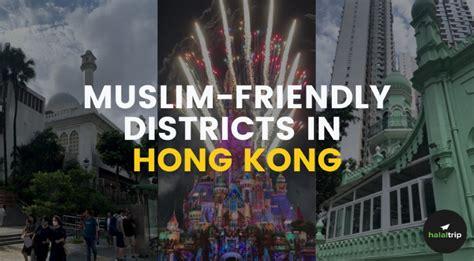
Hong Kong has recently achieved significant recognition in the global tourism landscape, securing its position as the third most Muslim-friendly travel destination globally among non-Islamic economies, as reported by the Mastercard-CrescentRating 2025 Global Muslim Travel Index (GMTI). This remarkable accolade not only marks an improvement in its ranking from previous years but also highlights the city’s strategic efforts to diversify its tourism offerings and cater to the growing number of Muslim travelers worldwide.
The announcement was made by the Hong Kong Tourism Board (HKTB), which proudly unveiled the ranking alongside the title of “Most Promising Muslim-Friendly Destination of the Year.” The recognition stems from collaborative efforts between the Hong Kong government, tourism stakeholders, and CrescentRating, a leading consultancy specializing in the Muslim travel market. Chief Executive John Lee Ka-chiu expressed his delight over this achievement, emphasizing that it reflects the city’s ongoing commitment to creating a welcoming environment for Muslim visitors.
Hong Kong’s Halal Tourism Efforts: A Growing Commitment
The commitment to halal tourism in Hong Kong is evident through various initiatives aimed at enhancing the visitor experience for Muslim travelers. Since June of the previous year, over 60 establishments in the city have received accreditation as Muslim-friendly, signaling a substantial step towards meeting the needs of this demographic. The HKTB’s collaboration with industry partners and government bodies has been crucial in positioning Hong Kong as a halal tourism destination.
Accreditation by CrescentRating follows rigorous guidelines, with ratings ranging from one to seven, where higher ratings are reserved for establishments that offer comprehensive services tailored to halal-conscious travelers. Leading hotels like Island Shangri-La, Dorsett Tsuen Wan, and Kerry Hotel have achieved five-star ratings, showcasing their dedication to providing halal dining options, prayer spaces, and other essential services for Muslim guests.
A Growing Muslim-Friendly Infrastructure
The expansion of Muslim-friendly infrastructure in Hong Kong extends beyond just hotels; it encompasses restaurants, tourist attractions, and public amenities. The Mastercard-CrescentRating report illustrates that the city is actively working to enhance its offerings for Muslim travelers, including increasing the availability of halal food, prayer facilities, and culturally sensitive services across popular tourist spots. With Singapore leading the GMTI rankings, followed by the United Kingdom, Taiwan, and Thailand, Hong Kong’s rise to third place underscores its potential to become a premier destination for Muslim tourists.
However, despite these achievements, challenges remain. Ensuring that facilities adequately meet the requirements of Muslim travelers is critical. This includes not only providing halal food but also ensuring appropriate prayer room facilities and staff training on cultural sensitivity.
Challenges in Muslim-Friendly Practices
Sharifa Leung, a third-generation Muslim Hongkonger and founder of Hani Halal, has pointed out several challenges that persist within Hong Kong’s halal tourism sector. She notes that many businesses, including hotels and restaurants, lack proper training for their staff regarding halal practices and Muslim culture.
“Many businesses are eager to get certification, but they often do not fully understand the underlying principles of halal practices,” Leung explained. For instance, while some establishments have provided ablution facilities for prayer, they may lack necessary features such as separate units for men and women. In some cases, prayer rooms are designed with large windows that can be distracting, thus failing to accommodate the spiritual needs of Muslim visitors.
Furthermore, there are instances where food businesses misunderstand halal requirements, mistakenly believing that merely serving halal food after prayers suffices. Miscommunications, such as confusing Urdu script with Arabic, can also lead to negative experiences for Muslim travelers. Leung emphasizes the importance of thorough staff training to ensure that businesses can effectively address the needs of Muslim visitors.
The Competitive Landscape of Muslim-Friendly Destinations
In the broader context of Muslim-friendly destinations, several countries have established themselves as leaders in catering to Muslim travelers. Singapore consistently ranks as the top choice among non-Islamic countries due to its extensive halal-certified restaurants, prayer spaces, and cultural sensitivity. The UK follows closely, recognized for its well-developed Muslim-friendly infrastructure, particularly in cities like London and Birmingham.
Other notable mentions include Taiwan, which has made commendable strides in providing halal dining options and prayer facilities, especially in Taipei. Thailand is also gaining traction, particularly in regions like Phuket and Krabi, where halal food and prayer spaces are increasingly available. Other countries such as Japan, South Korea, Australia, and Germany have also made efforts to welcome Muslim tourists, contributing to a growing global trend in halal tourism.
Moving Forward: Strengthening Hong Kong’s Halal Tourism Appeal
Despite existing challenges, optimism abounds among Hong Kong’s tourism stakeholders regarding the city’s potential to further enhance its appeal to Muslim travelers. Leung suggests that beyond expanding halal food options, improving the overall visitor experience is paramount. This involves fostering community involvement, hosting events that attract Muslim travelers, and investing in professional training for staff in the tourism and hospitality sectors.
Moreover, the inclusion of Muslim-owned businesses in the tourism industry could serve as a strategic advantage. Establishments managed by Muslim staff often resonate more strongly with travelers who share similar cultural backgrounds, ensuring a more authentic and welcoming experience.
A Bright Future for Hong Kong’s Halal Tourism Industry
The recognition of Hong Kong as a premier Muslim-friendly destination is just the beginning of its journey in the halal tourism sector. The city’s tourism authorities, in conjunction with industry partners, are dedicated to further developing Hong Kong as a hub for halal tourism, addressing gaps identified by experts, and enhancing infrastructure. With continued collaboration and investment, Hong Kong is poised to emerge as one of the most attractive destinations for Muslim travelers around the globe.