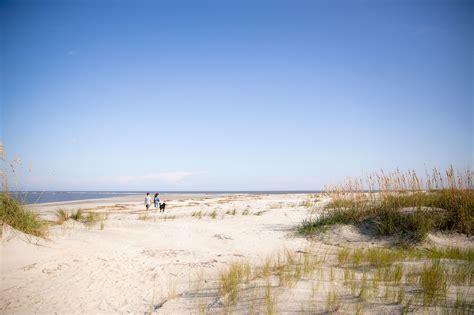
Nestled along the shimmering coast of Georgia, St. Simons Island has quietly transformed from a well-kept regional secret into a coveted sanctuary for discerning travelers. Once overshadowed by the glitz of more commercialized beach destinations, this barrier island now captures the spotlight as America’s most underrated travel treasure, a title that underscores shifting global tourism preferences. With its pristine shores, rich colonial history, and unspoiled natural beauty, St. Simons Island stands poised to redefine coastal tourism not just in Georgia, but across the southeastern United States.
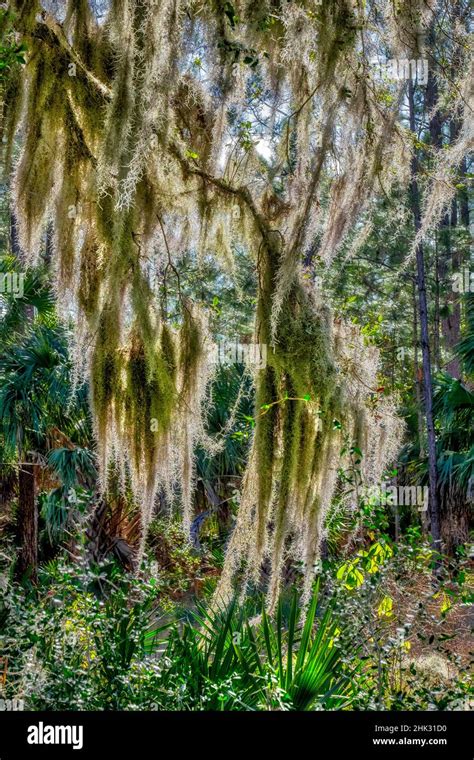
Travelers weary of crowded boardwalks and over-commercialized waterfronts are increasingly drawn to this island’s tranquil embrace. St. Simons Island, long beloved by Georgians seeking quiet retreats, offers a welcome reprieve from the relentless pace of urban life. The island’s unique blend of maritime forests, dune-lined beaches, and centuries-old live oaks draped in Spanish moss creates a landscape that feels timeless, untouched, and deeply restorative. This rare atmosphere is what resonates so powerfully with modern visitors — especially those seeking authentic experiences far removed from overtourism’s clamor.
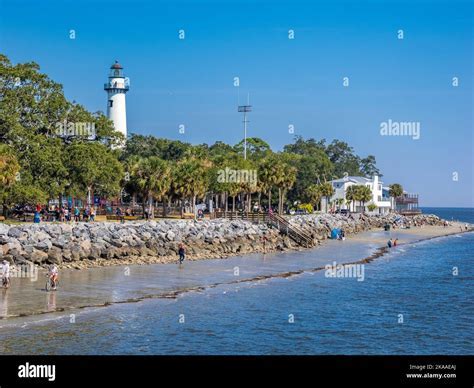
The Global Tourism Shift: Why St. Simons Island Now Captivates the World
As international travel trends evolve, destinations like St. Simons Island are seizing the moment. Around the globe, travelers increasingly favor locales that promise serenity, sustainability, and cultural richness over mass-market appeal. For these tourists, St. Simons Island offers a harmonious blend of natural beauty and historical intrigue. The Fort Frederica National Monument, a preserved colonial site, provides not just a history lesson but a window into the island’s layered past — a narrative that complements its physical splendor.
The island’s rise is no accident. In 2025, it claimed the No. 1 spot on a respected list of the best underrated U.S. travel destinations, thanks to a rigorous evaluation of its crowd levels, activity offerings, and scenic allure. This accolade not only introduced St. Simons to a national audience but signaled a growing hunger for destinations that promise both authenticity and peace. In an age of hyper-connectivity, the desire to disconnect and rediscover quieter corners of the world is reshaping the tourism landscape.
Nature’s Sanctuary: Exploring the Island’s Breathtaking Environment
Visitors to St. Simons Island encounter an ecosystem that feels both majestic and intimate. The island’s protected nature reserves shelter a remarkable variety of wildlife, from migratory shorebirds to marshland mammals. Coastal golf courses, thoughtfully designed to preserve the natural surroundings, provide panoramic views that seem to stretch endlessly across the Atlantic horizon. Meanwhile, forested bike paths invite exploration at a leisurely pace, weaving through sun-dappled glades and offering moments of pure stillness.
What sets St. Simons apart is not just its beauty, but how that beauty has been safeguarded. Development has been carefully balanced with conservation, ensuring that even as the island welcomes more guests, its core identity remains intact. This commitment to preservation means that, even at the height of vacation season, St. Simons retains an unmistakable sense of calm — a quality that eludes many better-known destinations.
Local Accolades and the Road to National Fame
Long before its national breakthrough, St. Simons Island was already a cherished jewel within the Southeast. It earned the top spot on the 2025 South’s Best Beach Towns list, a regional honor that reflected its growing appeal among savvy travelers. The island’s vibrant culinary scene added to its allure, with several beach bars and seafood establishments receiving accolades for their fresh, local offerings and relaxed atmospheres. These early recognitions laid the groundwork for its recent ascension, confirming what locals and repeat visitors had known all along: St. Simons is something special.
This rising profile is transforming the island’s tourism economy. Local businesses, from boutique inns to eco-tour operators, are experiencing a surge in demand. Yet, despite this growth, the island’s small-town charm and community spirit endure. Travelers find themselves welcomed not by faceless resorts but by family-run establishments where hospitality feels personal and genuine.
St. Simons as a Blueprint for Sustainable Travel
The island’s emergence as a sought-after destination comes at a pivotal moment for global tourism. As climate concerns and overtourism issues dominate headlines, St. Simons offers a model of what travel’s future could — and arguably should — look like. Here, sustainable development is more than a buzzword. Infrastructure improvements, from upgraded bike trails to eco-conscious lodging options, are designed with both visitors and the environment in mind.
For tourism professionals, the island represents a case study in balancing growth with integrity. The challenge ahead will be to accommodate rising numbers without sacrificing the very qualities that drew travelers in the first place. If successful, St. Simons could inspire similar approaches in other emerging destinations around the world — places where natural beauty and cultural heritage are seen not as commodities to exploit, but treasures to protect.

The Broader Economic and Cultural Impact
Beyond the beach and marshland, St. Simons’ rising profile is creating new opportunities for the region’s economy. Local artisans, guides, and restauranteurs are benefiting from increased exposure, while tour operators are expanding their offerings to include immersive experiences that honor the island’s heritage and ecology. These shifts bring tangible benefits, but also a responsibility: to ensure that tourism uplifts the community without eroding its soul.
Culturally, the influx of new visitors is prompting deeper appreciation for the island’s unique story. Sites like Fort Frederica are seeing renewed interest, while local museums and cultural centers report higher attendance. This rekindled engagement with history enriches both residents and tourists, fostering a sense of shared stewardship for the island’s legacy.
A Look Ahead: The Future of St. Simons Island Tourism
As 2025 unfolds, all signs point to sustained momentum for St. Simons Island. Seasonal travel patterns are shifting, with visitors arriving year-round rather than clustering in summer months. This trend not only helps spread economic benefits across the calendar but also eases environmental pressures during peak times.
Looking forward, thoughtful planning will be crucial. Stakeholders are already exploring initiatives such as expanded public transportation, enhanced waste management, and stricter building regulations to ensure that growth remains aligned with the island’s values. Meanwhile, the island’s story — of quiet rise and careful preservation — continues to inspire travelers and tourism professionals alike.
For those yearning for a destination where nature’s grandeur and human history coexist in harmony, St. Simons Island stands ready to welcome them. Its ascent is more than a travel trend; it is a reminder of what makes travel meaningful: connection, reflection, and respect for the world’s irreplaceable wonders.