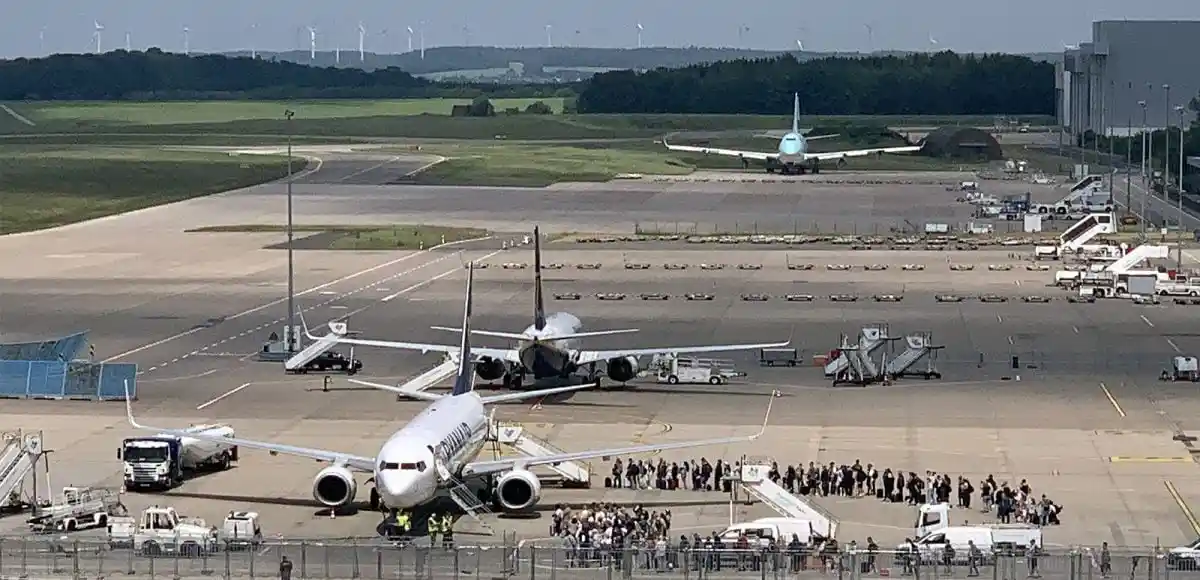
Triwo Hahn Airport is making significant strides in the aviation sector as it expands its summer flight network to accommodate growing passenger demand. With a remarkable 19% increase in traveler activity noted in May 2025 compared to the same month the previous year, Hahn Airport is asserting itself as a vital player in European air travel. This upward trend is further underscored by a 28% boost in passengers during the first four months of 2025 when compared to the same period in 2024. Such statistics not only reflect the airport’s increasing popularity but also signify a robust recovery in air travel confidence, especially through regional hubs like Hahn.
To keep pace with this surge in demand, Triwo Hahn Airport has announced a substantial expansion of its flight offerings for the summer 2025 schedule. Starting in June, the airport will introduce 12 new weekly flights, elevating the total number of weekly departures to 143. This enhancement is a direct response to the escalating number of passengers and showcases the airport’s commitment to improving its connectivity.
Among the most notable updates are the increased flight frequencies to popular destinations. Palma de Mallorca, an enduring favorite among summer travelers, will now be served 12 times per week, up from 11. Similarly, flights to Girona in Spain have risen from four to five weekly connections, while service to Nador in Morocco has doubled from one to two flights per week. These adjustments highlight Hahn’s strategic agility in meeting seasonal travel demands and customer preferences, ensuring that travelers have more options than ever before.

As part of this exciting expansion, Triwo Hahn Airport is introducing new and returning routes to some of the most picturesque coastal and cultural destinations across Europe. A standout addition is Rijeka, a charming Croatian port city on the Adriatic coast, now accessible twice weekly starting in June 2025. This fresh destination will be complemented by several beloved routes making a comeback, including:
- Zadar, another jewel along Croatia’s Dalmatian coast
- Chania, located on the island of Crete, celebrated for its rich Greek heritage
- Alghero, a historic seaside town on the Italian island of Sardinia
These new routes will expand Hahn’s network to a total of 46 destinations, featuring a mix of sun-drenched beach locations and vibrant cities, thus offering passengers an unprecedented array of choices for their summer getaways.
The developments at Triwo Hahn Airport represent more than just operational enhancements; they mirror broader trends shaping the global travel landscape. The enhanced connectivity between Germany and regions in Southern Europe and North Africa indicates an increasing desire for affordable, culturally rich, and coastal travel experiences. This shift could yield far-reaching implications, including greater travel accessibility for tourists within Europe and North Africa, a boost in tourism revenues for countries such as Croatia, Greece, Spain, Italy, and Morocco, and a transition towards less congested, regional airports, thereby reducing dependency on major aviation hubs. Moreover, this surge in activity could invigorate local service and hospitality industries, creating a ripple effect of economic growth.
Since its inception as a U.S. military airfield, Triwo Hahn Airport has undergone a remarkable transformation since transitioning to a civilian airport in 1993. Its ability to operate 24 hours a day has established it as a reliable and flexible travel hub, catering to both passenger flights and cargo operations. Following its acquisition by Triwo AG in May 2023, the airport has exhibited a clear focus on growth, efficiency, and adaptability. This proactive approach has empowered it to respond effectively to the evolving dynamics of modern air travel while prioritizing passenger convenience.
Looking ahead, the increase in routes and the steady climb in passenger traffic may signal a broader resurgence in global tourism. By expanding its connections and introducing new destinations such as Rijeka, industry experts view this as a reflection of pent-up demand for leisure travel and rising confidence in flying post-pandemic. The travel industry is expected to monitor closely:
- The success of newly introduced routes like Rijeka
- Whether regional airports can maintain operational scalability
- How travelers respond to increased flight frequencies and route diversity
Such developments could foster a more balanced distribution of air traffic, alleviating pressure on larger international airports and providing travelers with quicker, more affordable options via smaller hubs like Triwo Hahn Airport.
In summary, Triwo Hahn Airport’s impressive expansion and consistent growth position it at the forefront of regional aviation development. With 143 weekly flights planned for summer 2025, 46 destinations in its updated route network, and an overall 19% rise in passenger traffic noted in May 2025, the airport is setting a compelling example of how smaller airports can adapt, evolve, and thrive in a competitive and rapidly changing travel industry.