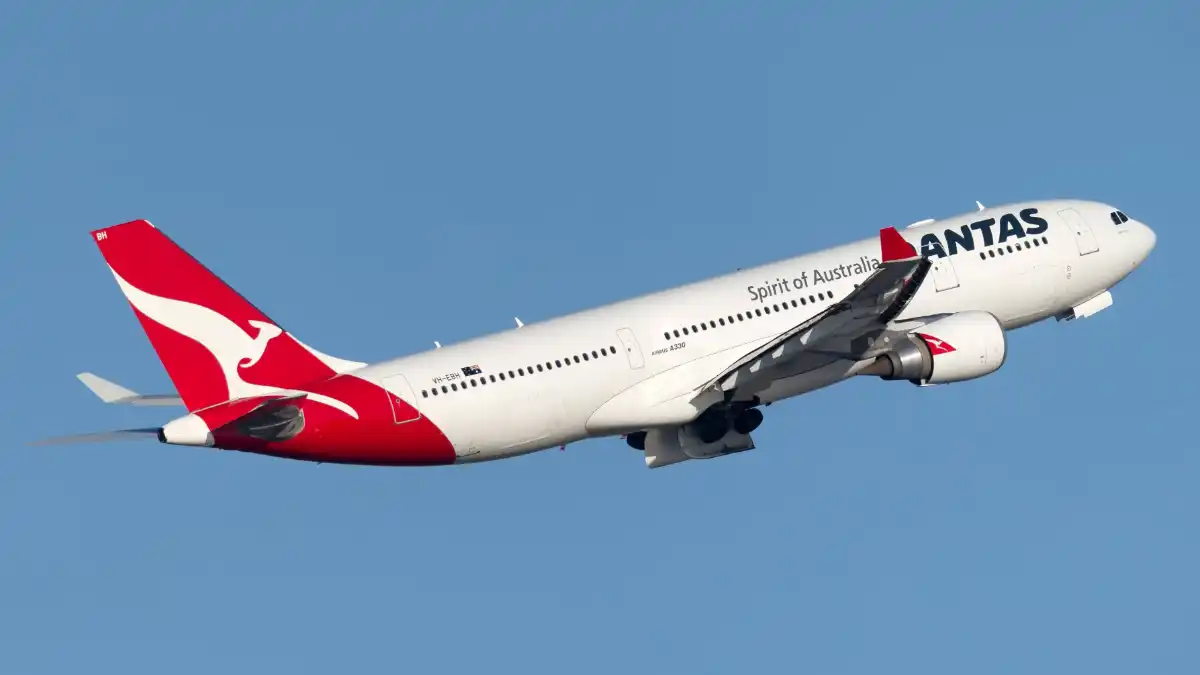
Qantas has long been recognized as Australia’s leading long-haul airline, connecting the country with major cities across Europe, Asia, North America, and South America. However, even one of the world’s most recognizable aviation brands must regularly adjust its network. Over the past two decades, Qantas has removed nine long-haul destinations from its scheduled international operations as market conditions, fleet strategies, and partnerships changed.
The airline’s network decisions reflect a broader reality in aviation: routes are constantly evaluated based on profitability, demand, aircraft availability, and competitive pressure. While Qantas continues expanding into new markets, including its planned services to Las Vegas, it has also retired several international routes that once played important roles in its global strategy.
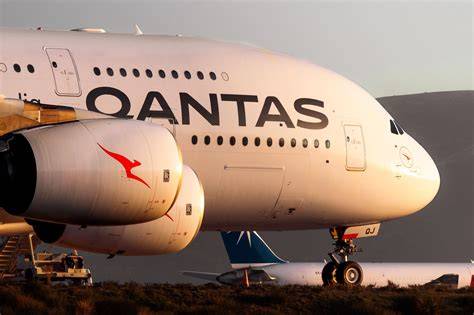
According to flight schedule data covering January 2006 through July 2026, Qantas has discontinued regular services to nine international destinations. The analysis focuses only on routes that operated as scheduled services and excludes temporary flights, repatriation services, and short-term charter operations.
Most of the discontinued destinations were connected through Qantas’ major hubs at Sydney Kingsford Smith Airport (SYD) and Melbourne Airport (MEL). Other airports involved included Brisbane Airport, Cairns Airport, and Darwin International Airport. Although these routes disappeared from Qantas’ own aircraft schedules, many destinations remain accessible through the airline’s global partnerships.
The Nine Long-Haul Destinations Qantas Has Dropped
The list of discontinued Qantas international destinations reveals how dramatically the airline’s global network has changed since the mid-2000s.
Shanghai Pudong International Airport (PVG) was one of the earliest routes removed from the network. Qantas operated services between Sydney and Shanghai via Melbourne using Airbus A330 aircraft, but the route ended in 2006. Changing competition in the Chinese aviation market and shifting demand patterns made the service increasingly challenging.
Nagoya Chubu Centrair International Airport (NGO) was another Asian destination removed soon afterward. Qantas operated Cairns–Nagoya services using Boeing 767-300ER aircraft until 2007. The route was closely connected with Australia’s tourism market, particularly travelers visiting Japan from Queensland, but changing market conditions eventually led to its withdrawal.
One of the more notable withdrawals was Mumbai International Airport (BOM). Qantas had a long and complicated history with India, operating services through different routings, including Sydney via Darwin and later Singapore. The airline used multiple aircraft types, including the Airbus A330 and Boeing 747, before ending the route in 2012.
The airline also ended flights to Buenos Aires Ministro Pistarini International Airport (EZE) in 2012. The Sydney–Buenos Aires route represented Qantas’ presence in South America and was operated by the Boeing 747-400. It was among the world’s longest flights at the time and highlighted Qantas’ willingness to operate ultra-long international services before profitability pressures forced changes.
Qantas’ European Network Transformation
Qantas’ withdrawal from Frankfurt Airport (FRA) in 2013 marked another major shift in its international strategy. The Sydney–Frankfurt service operated through Singapore using the Boeing 747-400, but the airline later moved toward a stronger partnership-based approach for European connectivity.
The biggest transformation came with Qantas’ decision to end its own flights through Dubai International Airport (DXB) in 2018. This route change was closely linked to the airline’s partnership with Emirates, which began in 2012.
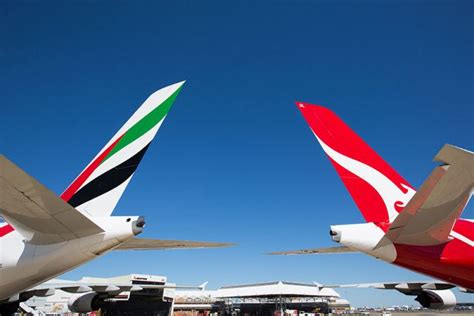
For several years, Qantas operated flights from Melbourne and Sydney through Dubai before continuing to London Heathrow Airport. The arrangement replaced Qantas’ previous Kangaroo Route strategy through Asia and allowed passengers to connect more easily with Emirates’ extensive Middle Eastern and European network.
The partnership helped Qantas strengthen its European operations without relying entirely on its own aircraft capacity. Passengers gained access to additional destinations, shared loyalty benefits, and improved connection options. Although Qantas no longer flies to Dubai itself, the Emirates relationship remains an important part of its international network.
Asian Market Changes Reshape Qantas Routes
Asia has experienced some of the biggest changes in Qantas’ international network. The airline ended services to Osaka Kansai International Airport (KIX) in 2020 after years of operating the route from Sydney.
Qantas had previously operated Cairns–Osaka services before establishing Sydney–Osaka flights using Airbus A330 aircraft. However, the airline eventually transferred its focus toward other markets and relied more heavily on its low-cost subsidiary, Jetstar, for selected Asian routes.
Jetstar later operated several routes that mirrored previous Qantas services, including flights to Osaka and Seoul. The move demonstrated Qantas’ strategy of using different brands to serve different customer segments. A lower-cost operation can sometimes succeed where a premium airline service struggles because of different cost structures.
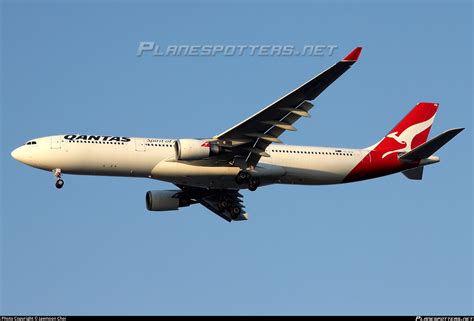
Qantas also discontinued flights to Beijing Capital International Airport (PEK) in 2020. The airline had operated the route during different periods, including services from Sydney and Melbourne. After Qantas withdrew, Jetstar briefly served Beijing between 2011 and 2013, but the route was eventually removed.
The most recent withdrawal was Seoul Incheon International Airport (ICN) in 2025. Qantas had returned to South Korea after a long absence, launching Sydney–Seoul flights in 2022 with Airbus A330 aircraft. However, the airline later decided that Jetstar would become the sole operator on the route.
Jetstar had already launched Sydney–Seoul services shortly before Qantas returned, targeting a different segment of the market. After Qantas exited, Jetstar increased its frequency, showing how the Qantas Group adjusts capacity between its brands.
Why Qantas Continues Changing Its International Network
Removing routes does not necessarily mean failure. For major airlines, network restructuring is often a way to improve efficiency and focus resources on stronger markets.
Qantas has increasingly prioritized routes where it can maximize premium demand, utilize newer aircraft, and benefit from strategic partnerships. The airline’s expanding long-range aircraft fleet, including next-generation aircraft designed for direct international services, allows it to rethink traditional hub strategies.
At the same time, partnerships remain essential. Through its oneworld alliance, codeshare agreements, and its continuing cooperation with Emirates, Qantas can maintain global reach even when it stops operating certain routes itself.
The nine discontinued destinations represent different eras of Qantas’ international strategy. Some routes disappeared because of competition, others because of changing passenger demand, and some because partnerships offered a more efficient solution.
Qantas remains one of the world’s most ambitious long-haul carriers. While some destinations have left its timetable, the airline continues to reshape its network around routes that support its long-term international goals.