In the world of long-haul aviation, passenger capacity remains one of the most important factors influencing airline fleet decisions. While modern aircraft manufacturers focus heavily on fuel efficiency, advanced materials, and lower emissions, airlines still need aircraft that can move large numbers of travelers profitably across continents. Among the many widebody aircraft developed over the past two decades, the Boeing 777-300ER stands out as a remarkable example of capacity, range, and operational reliability combined into one successful platform.
The aircraft became one of Boeing’s most important commercial successes, proving that a large twin-engine jet could compete against traditional four-engine aircraft while offering airlines improved economics. More importantly, the 777-300ER developed a unique advantage over its closest Airbus rival: it can carry more passengers in typical airline configurations while maintaining exceptional long-range performance.
The Boeing 777-300ER Created a New Era of High-Capacity Long-Haul Jets
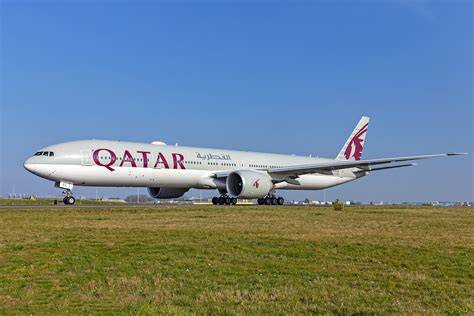
Introduced in 2004, the Boeing 777-300ER was an extended-range development of the earlier 777-300. Boeing designed the aircraft to meet airline demand for a larger long-haul aircraft that could replace aging jets such as the Boeing 747-400 without the high operating costs associated with four engines.
The aircraft represented a major engineering achievement. It combined a stretched fuselage with powerful engines, reinforced structures, improved aerodynamics, and increased fuel capacity. The result was a jet capable of carrying hundreds of passengers over extremely long distances while maintaining the reliability expected from modern commercial aircraft.
One of the biggest changes came from the introduction of the General Electric GE90-115B engines, the most powerful commercial turbofan engines ever produced. Each engine generates approximately 115,000 pounds of thrust, giving the aircraft the ability to take off with a maximum takeoff weight of around 775,000 pounds. This enormous power allowed airlines to operate long routes with full passenger loads, heavy cargo, and additional fuel reserves.
Boeing also equipped the 777-300ER with aerodynamic improvements, including raked wingtips that reduced drag and improved fuel efficiency. Structural enhancements strengthened the landing gear and airframe, allowing the aircraft to handle heavier operations while maintaining excellent reliability.
The aircraft’s combination of size and efficiency changed airline strategies. Instead of operating smaller aircraft with more frequent flights or expensive four-engine aircraft, carriers could use the 777-300ER to connect major international cities with fewer flights and lower operating costs.
Passenger Capacity: Where the Boeing 777-300ER Holds the Advantage
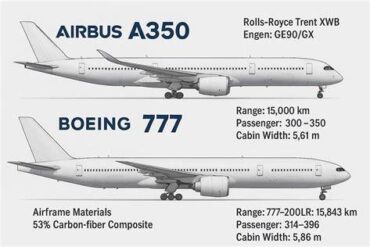
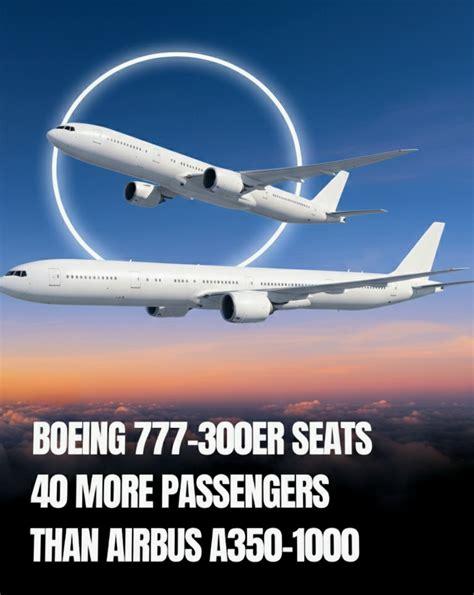
The biggest difference between the Boeing 777-300ER and Airbus A350-1000 appears in passenger capacity. Although both aircraft compete in the same long-range market, the Boeing jet has a wider fuselage and more interior volume, allowing airlines to install additional seats.
The 777-300ER has a cabin width of approximately 5.86 meters, providing enough space for airlines to install ten-abreast economy seating. This layout allows carriers to maximize passenger numbers on high-demand international routes.
In a typical three-class configuration, the aircraft usually carries around 350 to 400 passengers. However, airlines that prioritize capacity can configure the aircraft with more than 450 seats. Boeing lists a maximum seating capacity of approximately 550 passengers in a high-density arrangement.
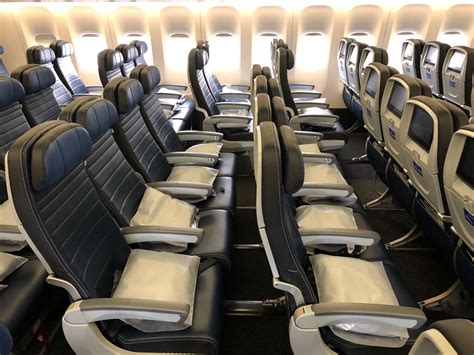
Airlines have used this flexibility in different ways depending on their business models. Premium-focused carriers create spacious first-class and business-class cabins, while airlines serving high-volume markets often increase economy seating to maximize revenue.
For example, some operators configure the aircraft with large premium cabins for international travelers, while others use dense layouts designed for routes where passenger demand is consistently strong. This ability to adapt has helped the 777-300ER remain attractive to airlines around the world.
However, the high-capacity configuration also creates a passenger comfort debate. Ten-abreast economy seating means narrower seats compared with some smaller widebody aircraft. From an airline perspective, however, the additional seats can generate significant financial advantages, especially when flights operate with high load factors.
Boeing 777-300ER Performance and Long-Range Capability
Despite its impressive passenger capacity, the 777-300ER is not simply a large aircraft designed for short-distance operations. Its greatest strength is the ability to combine capacity with long-range performance.
The aircraft can fly approximately 7,370 nautical miles (13,650 kilometers), allowing airlines to operate nonstop services between major cities across continents. Routes such as Dubai to Los Angeles, Singapore to Frankfurt, and Paris to Tokyo demonstrate the aircraft’s ability to handle demanding international missions.
Its efficiency comes from several engineering features working together. The GE90 engines provide exceptional thrust while maintaining competitive fuel consumption, and Boeing’s aerodynamic improvements reduce drag during cruise operations.
Although newer aircraft have introduced advanced composite materials and improved efficiency, the 777-300ER remains impressive considering its generation. It burns significantly less fuel per passenger compared with older large aircraft such as the Boeing 747-400, helping airlines reduce operating expenses while maintaining high capacity.
The aircraft also became known for its reliability. Many operators have reported extremely strong dispatch performance, making it suitable for intensive international schedules. Airlines depend on aircraft that can fly multiple long-haul sectors daily, and the 777-300ER has proven capable of meeting those demands.
Boeing 777-300ER vs Airbus A350-1000: Capacity Versus Efficiency
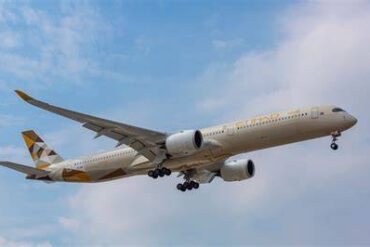
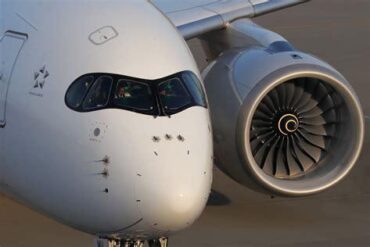
The Airbus A350-1000 was developed as one of the strongest competitors to the Boeing 777-300ER. It represents a newer generation of aircraft technology, featuring extensive use of composite materials, advanced aerodynamics, and highly efficient Rolls-Royce Trent XWB engines.
The A350-1000 has several advantages. Its lighter structure and modern design allow it to achieve excellent fuel efficiency, lower operating costs, and improved passenger comfort. Many passengers appreciate its quieter cabin environment and wider feeling despite its slightly narrower fuselage.
However, when maximum passenger numbers are the priority, the Boeing aircraft maintains an important advantage.
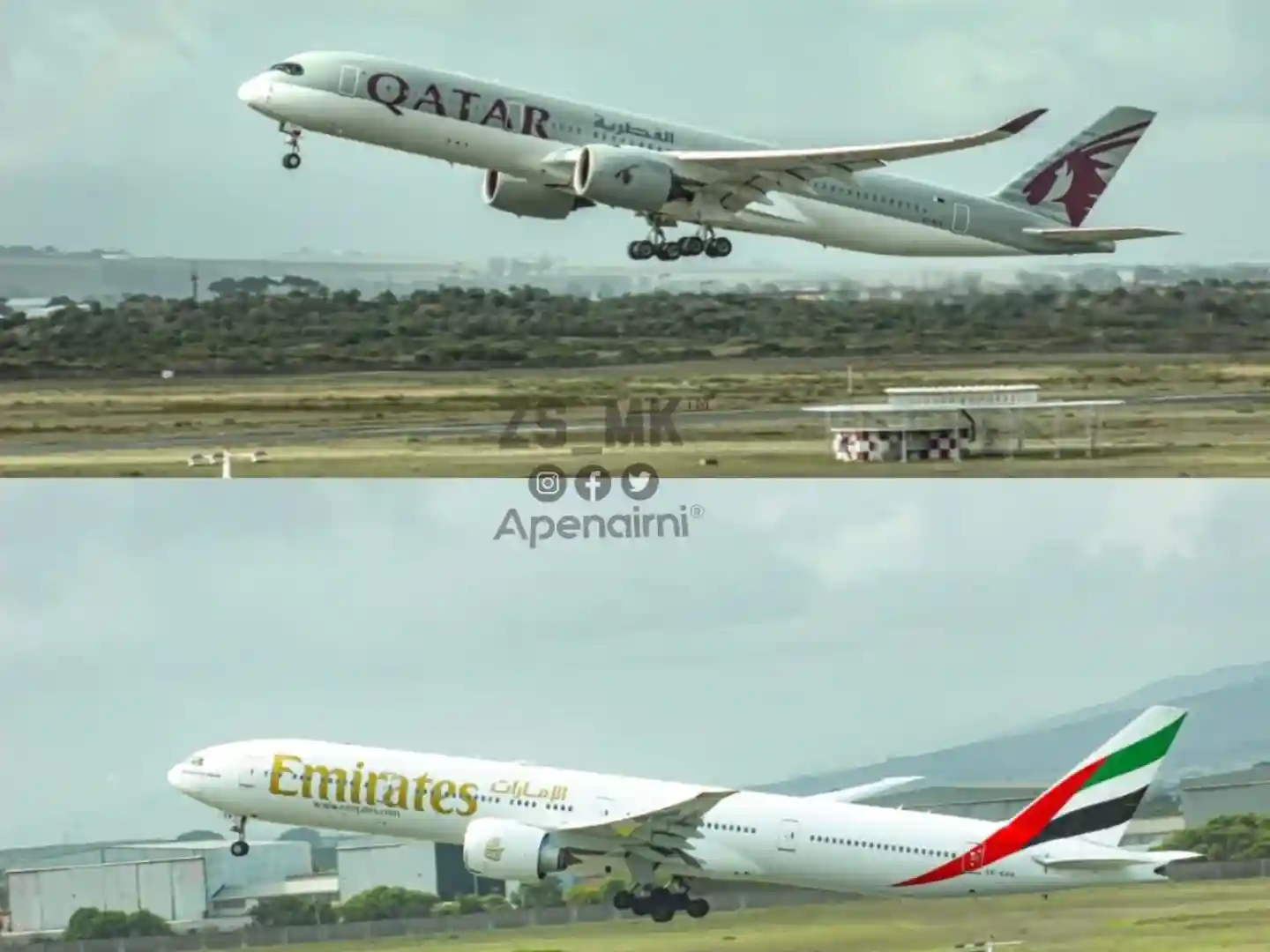
The A350-1000 typically carries around 350 to 400 passengers depending on airline configuration, while the 777-300ER can exceed that number by a significant margin. In high-density layouts, the Boeing aircraft can provide dozens of additional seats compared with its Airbus competitor.
This difference may appear small, but for airlines operating daily long-haul services, extra seats can represent substantial additional revenue. A carrier flying hundreds of international routes each year can benefit financially from even a small increase in passenger capacity.
The competition between these aircraft highlights two different approaches to modern aviation. Airbus focused heavily on efficiency through lightweight materials and advanced technology, while Boeing optimized the 777-300ER around proven reliability, payload capability, and passenger volume.
Neither aircraft is universally superior. Airlines choose between them based on route requirements, fuel costs, airport limitations, and passenger demand. But for carriers seeking the highest possible capacity from a twin-engine widebody, the 777-300ER remains a powerful option.
The Global Success of Boeing’s 777-300ER
The commercial success of the 777-300ER demonstrates how effectively Boeing matched aircraft design with airline needs. More than 800 examples were delivered, making it one of the most successful widebody aircraft programs in aviation history.
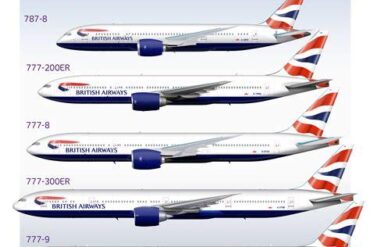
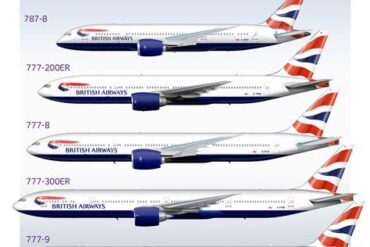
Major international airlines including Emirates, Singapore Airlines, Qatar Airways, British Airways, and Cathay Pacific have operated the aircraft extensively on global routes.
The aircraft became especially important in markets connecting Asia, Europe, and the Middle East. These regions require aircraft capable of transporting large numbers of passengers over long distances, and the 777-300ER filled that role exceptionally well.
Its success also accelerated the retirement of older four-engine aircraft. By offering similar passenger capacity to aircraft like the Boeing 747 while using only two engines, the 777-300ER helped redefine airline economics.
The aircraft proved that large twin-engine jets could safely and efficiently perform missions once reserved for much larger aircraft. This shift influenced the development of future aircraft, including Boeing’s upcoming 777X family.
Why the Boeing 777-300ER Remains an Aviation Icon
Nearly two decades after entering service, the Boeing 777-300ER continues to represent one of the most successful widebody designs ever created. Its ability to carry more passengers than its Airbus competitor while delivering excellent range and reliability made it a favorite among airlines worldwide.
The aircraft represents an important moment in commercial aviation history. It arrived during a period when airlines were searching for a balance between passenger demand, operational efficiency, and long-range capability. Boeing answered that challenge with an aircraft that combined size and practicality.
Although newer aircraft such as the Airbus A350-1000 and Boeing 777X introduce improved technology, the 777-300ER’s influence remains undeniable. It changed how airlines approached long-haul operations and demonstrated that a twin-engine aircraft could become the backbone of global air travel.
The Boeing 777-300ER is more than a high-capacity aircraft. It is a symbol of an era when engineering innovation transformed the possibilities of international aviation. By combining exceptional passenger capacity, powerful engines, and proven reliability, it earned its place as one of the most important widebody jets in modern history.