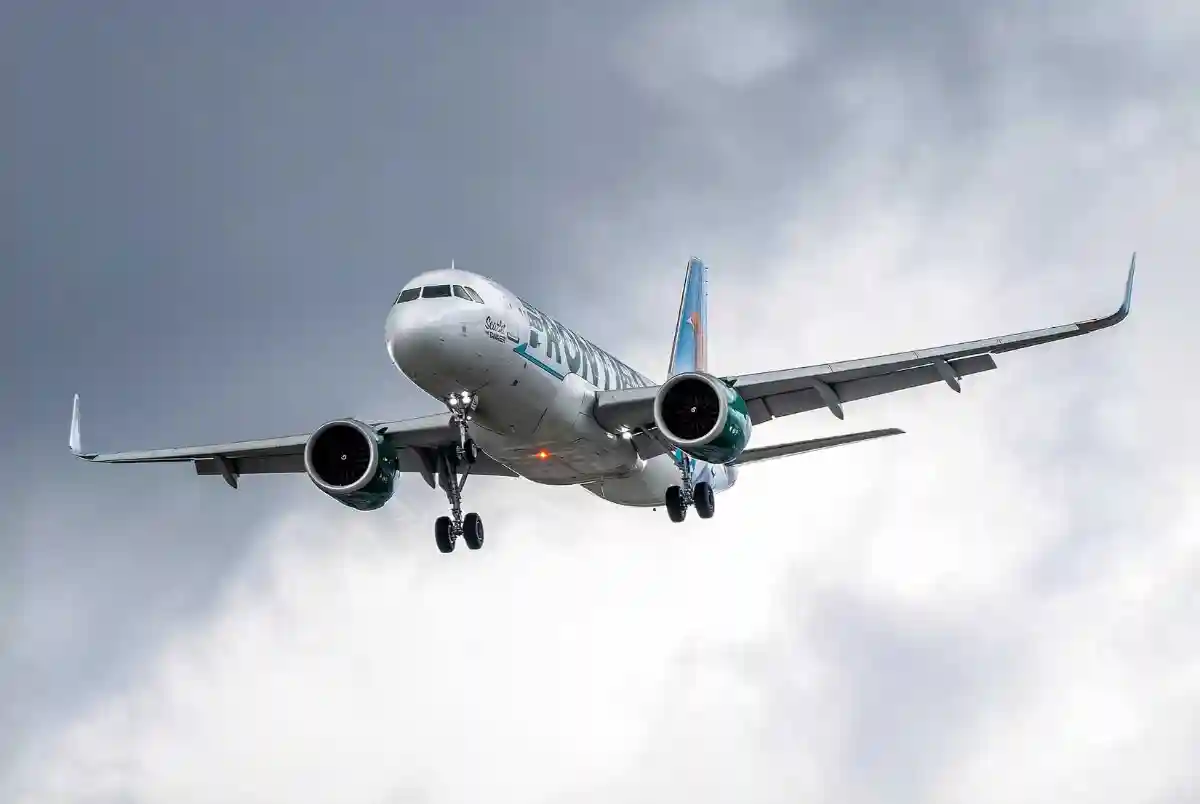
Frontier Airlines is quietly redrawing its route map, and the latest schedule data reveals a decisive retreat from 21 airports across the United States, Mexico, and the Caribbean. According to Cirium Diio data, the carrier will operate an average of 644 daily movements between November 2026 and early April 2027, a 7% increase over the same window a year earlier. That growth is largely fueled by Frontier absorbing capacity left behind by the collapse of Spirit Airlines, which is why the airline can post expansion numbers even while shedding more than two dozen markets.
Frontier Airlines Route Cuts: The 21 Airports Losing All Flights
Schedule analysis covering January through October 2026 confirms that Frontier no longer serves the following destinations, with no flights scheduled from November 2026 onward. The exits unfold in waves: Seattle Paine Field ends in January 2026; Aruba, Charleston, Harrisburg, Los Cabos, Nassau, Providenciales, Puerto Vallarta, Tucson, and Tulsa all conclude in April; Sarasota and Spokane stop in July; Corpus Christi, Knoxville, and St. Maarten wind down in August; Cedar Rapids and Little Rock end in September; and Burbank, Madison, New York JFK, and Sioux Falls close out in October.
The pattern reveals an airline prioritizing frequency over footprint. Eight of the 21 markets, or 38% of the total, only gained Frontier service starting in 2021, meaning the carrier is pruning many of its newest bets. Two markets, Seattle Paine Field and Corpus Christi, first appeared in 2025, and both vanished within a year. The Denver-to-Corpus Christi link ran twice weekly from October 2025 to August 2026 but filled only 47.7% of seats, a figure that made a rapid exit inevitable.
Why Frontier Airlines Ended Flights to New York JFK
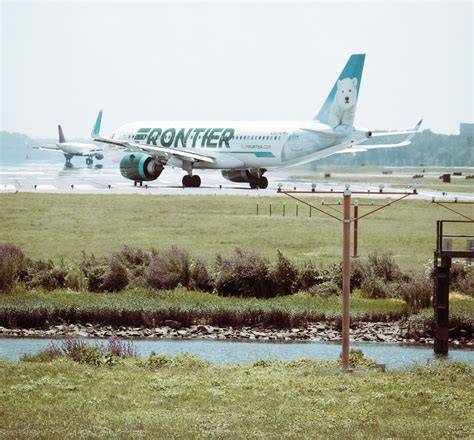
Frontier’s experiment at John F. Kennedy International Airport lasted barely two years, running from June 2024 to October 2026. High fees, congestion, and sky-high operating costs made the airport a poor fit for an ultra-low-cost model that depends on fast turns and thin margins. At its peak, Frontier flew up to 10 daily departures from JFK, all domestic, connecting the airport to Atlanta, Chicago O’Hare, Dallas/Fort Worth, Denver, Las Vegas, Los Angeles, Miami, New Orleans, Orlando, San Juan, and Tampa.
Department of Transportation data from June 2024 through July 2026 shows Frontier carried 1.7 million passengers to and from JFK while filling 83.4% of seats. In 2025, the carrier’s average one-way fare there was $90, excluding taxes and ancillary purchases, only marginally higher than at Newark Liberty or LaGuardia. That thin revenue premium could not offset the airport’s cost burden, so Frontier now serves the New York region through LaGuardia and Newark, retaining just five of the eleven former JFK destinations from those airports.
Seattle Paine Field: A Six-Month Frontier Airlines Retirement
Seattle Paine Field International Airport, roughly 23 miles from downtown Seattle and home to the Boeing Everett Factory, hosted Frontier for barely half a year, from June 2025 to early January 2026. DOT figures show 36,365 round-trip passengers across the Denver, Las Vegas, and Phoenix routes, with an overall load factor of just 55.6%. Phoenix was the weakest link at 45.1%, far below what any carrier needs to sustain a route.
What the Frontier Airlines Destination Cuts Mean for Travelers
The retreat reshapes how budget-conscious flyers reach several markets. Travelers in Tucson, Tulsa, Charleston, and Knoxville lose a low-fare option and must lean on legacy carriers or connect through larger hubs. Caribbean and Mexico leisure markets including Aruba, Nassau, Providenciales, Los Cabos, Puerto Vallarta, and St. Maarten now depend on other airlines for seasonal capacity. Meanwhile, Frontier’s bigger schedule signals a sharper concentration on dense, high-demand routes where its ultra-low-cost model can win, a strategy that may deliver better reliability and stronger fares where the airline still flies.
Frontier Airlines’ Competitive Shift After the Spirit Airlines Collapse
Frontier’s expansion is inseparable from the industry shakeout following Spirit Airlines’ demise. By backfilling capacity at select airports and on selected routes, Frontier captures displaced demand without defending marginal markets. The 21 cancellations read less like a financial emergency and more like disciplined portfolio management, cutting underperforming stations while adding frequency where the math works. For passengers, the lesson is simple: book Frontier routes with flexibility, because the network will keep moving as the carrier chases profitability.