Delta Air Lines has quietly reshaped one of the most expansive network adjustments of the year, trimming flights across 121 airports worldwide as it recalibrates capacity for 2026. While the airline has framed the move as a response to fluctuating passenger demand and fleet optimization, the scale and geographic spread of these reductions reveal a deeper strategic reset affecting leisure hotspots, regional gateways, and even long-haul international markets.
The Atlanta-based carrier, a core member of the SkyTeam alliance, has increasingly leaned on data-driven scheduling to protect margins. Using detailed flight data compiled by Cirium, a clear pattern emerges: Delta is pulling back where yields underperform and doubling down where demand resilience or strategic value remains strongest. For many airports, this shift translates to fewer weekly connections, thinner schedules, or the quiet disappearance of seasonal routes travelers had come to rely on.
What makes this year’s reductions especially notable is their breadth. While domestic airports dominate the list, several high-profile international destinations are also seeing meaningful declines. Dublin, Rome, and Seoul—markets traditionally associated with strong transatlantic or transpacific demand—will all experience double-digit percentage drops in flights during the first half of 2026, signaling that even flagship routes are not immune to network scrutiny.
The impact is not evenly distributed. Some airports will feel little more than a marginal reduction, while others face dramatic contractions that materially alter their airline mix. Delta’s recalibration underscores a broader industry reality: network size alone no longer defines success, and profitability now dictates presence.

The Scope of Delta’s Network Pullback
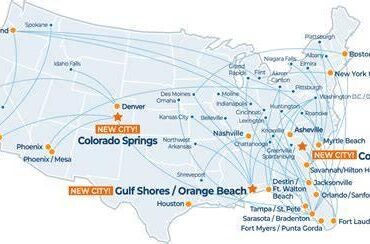
Across the United States and select international markets, 121 airports will see Delta’s schedule reduced by more than 1% in the first half of 2026 compared with the same period in 2025. In practical terms, this can mean anything from one fewer daily flight to the complete removal of a marginal route that failed to meet revenue expectations.
Most affected airports are small to mid-sized domestic facilities where competition is intense and yields are fragile. In these markets, Delta often plays a secondary role behind dominant carriers such as Southwest or American. When demand softens, these secondary positions are usually the first to be reevaluated. The result is a thinner Delta footprint that prioritizes operational efficiency over sheer coverage.
While the majority of the reductions are domestic, the inclusion of short-haul international leisure destinations highlights another vulnerability: seasonal travel patterns. Routes that once thrived during post-pandemic travel booms are now being trimmed back as consumer spending normalizes and capacity discipline returns.
Airports Facing the Steepest Declines
By percentage, Colorado Springs, Williston Basin, and Providenciales stand out as the hardest hit destinations in Delta’s 2026 schedule. Colorado Springs Airport is projected to lose nearly 33% of Delta flights, translating to 217 fewer services in just six months. Despite the headline number, Delta already represents only about 5% of total airport traffic there, far behind Southwest Airlines, which dominates local operations.
Williston Basin International Airport in North Dakota follows closely, with a 28.7% reduction. Serving a region heavily tied to energy-sector activity, Williston’s demand profile has proven volatile, making it a prime candidate for capacity cuts when economic signals soften. Delta’s reduction of more than five flights per week significantly reshapes connectivity for the region.
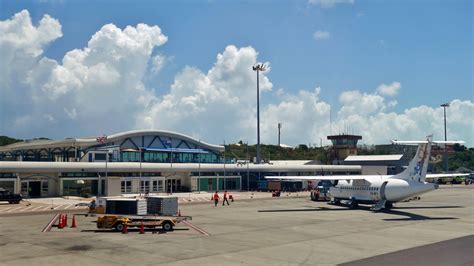
Providenciales International Airport, the main gateway to the Turks and Caicos Islands, marks the most substantial international reduction by percentage. A 26.6% drop reflects Delta’s reassessment of premium leisure demand, even as the carrier maintains select year-round routes from Atlanta and New York JFK.
Why These Markets Were Vulnerable
Each of the most affected airports shares common traits that make them vulnerable during periods of network optimization. Limited business travel, strong seasonality, and heavy reliance on discretionary leisure spending all weaken route resilience. In Colorado Springs and Williston, Delta competes aggressively on price in markets where loyalty and corporate contracts are limited. In Providenciales, the challenge lies in balancing premium leisure demand against rising operational costs.
Delta’s strategy does not suggest abandonment but selective retrenchment. By preserving core routes while trimming frequency, the airline maintains brand presence without absorbing unnecessary risk. This approach allows Delta to redeploy aircraft to higher-performing markets while keeping the option to rebuild capacity if demand rebounds.
International Routes Also Feel the Pressure
Beyond leisure destinations, Delta’s reductions in Dublin (-11%), Rome (-12%), and Seoul (-10%) signal a cautious stance on long-haul growth. These markets remain strategically important, but the airline appears to be moderating frequency rather than capacity altogether. Fewer flights, often operated with larger aircraft, can preserve seat supply while reducing operational complexity.
This shift reflects a broader industry trend toward quality over quantity in long-haul networks. Rather than chasing market share through dense schedules, Delta is prioritizing yield stability and operational reliability, especially as global demand patterns remain uneven.

A Network in Motion, Not in Retreat
Despite the headline-grabbing list of cuts, Delta’s overall network is far from shrinking. Capacity reductions in weaker markets are being offset by growth elsewhere, particularly in destinations demonstrating sustained demand strength. Airports like Great Falls, São Paulo, and Montego Bay are gaining flights, illustrating how Delta continuously reallocates resources rather than simply downsizing.
This dynamic reshaping underscores the airline’s evolving philosophy. In a post-pandemic aviation landscape defined by cost pressures and unpredictable demand, flexibility has become the ultimate competitive advantage. Delta’s decision to cut flights to 121 destinations is less about contraction and more about precision, ensuring that every route earns its place in the network.
For travelers, the changes may mean fewer nonstop options in some cities, but they also reflect a carrier focused on long-term stability. As 2026 unfolds, Delta’s recalibrated network offers a revealing snapshot of where the airline believes the future of air travel demand truly lies.