The battle between the Airbus A350-1000 and the Boeing 777-300ER is one of the most compelling rivalries in modern aviation. Both aircraft sit at the pinnacle of long-haul widebody engineering, designed to move hundreds of passengers and tons of cargo across continents with relentless efficiency. On paper, the numbers appear decisive: one aircraft clearly flies farther than the other. But aviation is rarely that simple.
At first glance, range seems like a defining metric—almost a winner-takes-all category. After all, the ability to fly farther should translate into more routes, fewer stops, and greater operational freedom. Yet airlines, ever pragmatic, tend to look beyond headline figures. What matters is not just how far an aircraft can fly, but how far it can fly profitably, consistently, and flexibly under real-world conditions.
This is where the comparison becomes far more nuanced. The A350-1000’s theoretical advantage is undeniable, yet the 777-300ER’s operational resilience continues to keep it deeply relevant. Understanding this balance requires diving into engineering philosophy, payload economics, and the unpredictable nature of global air travel.
A Clash of Long-Haul Titans in Global Aviation
The A350-1000 and 777-300ER dominate some of the world’s most critical air corridors. These aircraft routinely connect global hubs such as Los Angeles International Airport, Dubai International Airport, and Singapore Changi Airport, forming the backbone of intercontinental aviation.
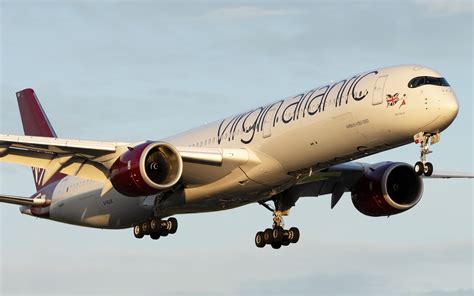
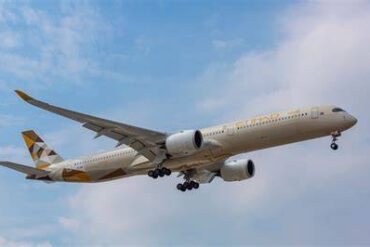
The A350-1000 represents a newer generation of aircraft design. Built with advanced composites, refined aerodynamics, and next-generation systems, it reflects an industry shift toward fuel efficiency and sustainability. Airbus engineered it not just to compete—but to disrupt Boeing’s dominance in long-haul travel.
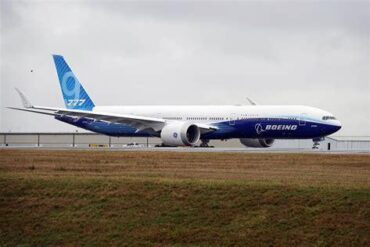
Meanwhile, the 777-300ER is the definition of a proven workhorse. Entering service years earlier, it has built a reputation for durability, reliability, and payload strength. Airlines trust it not because it is the newest, but because it is predictable—and predictability in aviation is profit.
This contrast sets the stage: one aircraft optimized for the future, the other refined through years of real-world performance.
Published Range Figures: The Numbers That Start the Debate
When comparing raw specifications, the difference is clear and measurable.
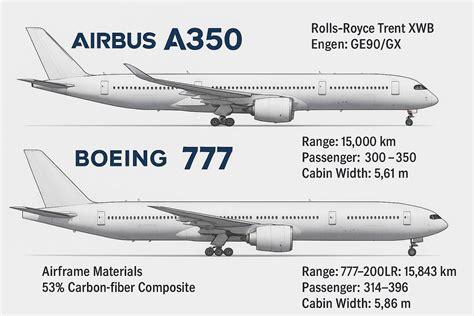
- Airbus A350-1000: up to 8,700 nautical miles (16,100 km)
- Boeing 777-300ER: up to 7,370 nautical miles (13,649 km)
That’s a gap of roughly 1,330 nautical miles (2,463 km)—a figure that translates to about a 15–17% advantage in favor of the A350-1000.
On paper, this is not a marginal difference. It suggests that the A350-1000 can unlock routes that might otherwise be inaccessible or require operational compromises. In theory, this range advantage could enable airlines to:
- Operate longer nonstop routes
- Reduce payload restrictions on ultra-long sectors
- Improve route planning flexibility
However, these figures are derived under idealized conditions—a perfectly balanced payload, optimal weather, and standardized fuel assumptions. Real-world aviation rarely offers such perfection.
Real-World Range: Where Theory Meets Operational Reality
In actual airline operations, range becomes a fluid variable, constantly shaped by external forces. Factors such as winds, routing constraints, payload weight, and fuel reserves can significantly alter how far an aircraft can fly on any given day.
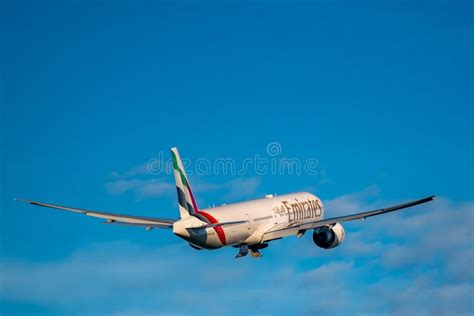
Headwinds across the Pacific, for example, can reduce effective range dramatically. A flight that appears comfortably within limits on paper may require payload reductions or even operational adjustments when faced with strong atmospheric resistance. Conversely, tailwinds can extend range beyond expectations, occasionally allowing aircraft to exceed typical performance benchmarks.
This variability explains a critical truth:
the A350-1000’s theoretical advantage often shrinks in practice.
Airlines rarely operate at maximum advertised range. Instead, they build buffers into flight planning, ensuring reliability even under adverse conditions. As a result, the 777-300ER frequently matches the A350-1000 on real-world missions, despite its lower published range.
Engineering Evolution: Why the A350-1000 Flies Farther
The A350-1000’s edge is not accidental—it is the result of deliberate engineering choices.
At its core is a structure built extensively from carbon-fiber-reinforced polymer composites, reducing weight while maintaining exceptional strength. This lighter airframe allows the aircraft to consume less fuel over long distances, directly translating into greater range.
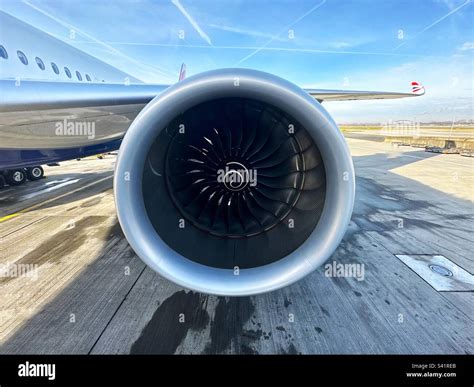
Its aerodynamically optimized wings further enhance efficiency, minimizing drag during cruise. Paired with the Rolls-Royce Trent XWB engines, the aircraft achieves remarkable fuel economy—one of the key reasons behind its extended reach.
In contrast, the 777-300ER relies on the immensely powerful GE90 engines, which deliver higher thrust but at the cost of greater fuel consumption. Its design reflects an earlier era, where power and payload capability were prioritized over ultra-fine efficiency gains.
This difference in philosophy explains the numbers:
- The A350-1000 is lighter and more efficient
- The 777-300ER is stronger and more powerful
Payload vs Range: The Trade-Off Airlines Actually Optimize
Range is only half the equation. The other half—and arguably the more important one—is payload.
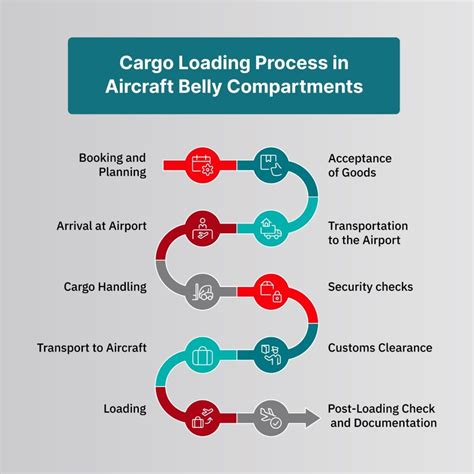
The 777-300ER excels in cargo capacity, making it a favorite on routes where freight demand is strong. Its higher maximum takeoff weight and thrust allow it to carry heavier loads without compromising performance significantly.
For airlines, this translates into additional revenue streams. Cargo can often be the difference between a profitable and unprofitable long-haul route. In such cases, the 777-300ER’s ability to carry more weight can outweigh its shorter range.
The A350-1000, by contrast, is optimized for fuel efficiency and range balance. While it still carries substantial payload, its design leans toward lower operating costs rather than maximum cargo throughput.
This creates a strategic choice for airlines:
- Choose the A350-1000 for efficiency and lower fuel burn
- Choose the 777-300ER for payload strength and cargo revenue
Neither approach is universally better—it depends entirely on the route and business model.
Operational Relevance: Why Range Alone Doesn’t Decide Routes
Despite the A350-1000’s advantage, both aircraft can operate nearly all major long-haul routes in existence today. Flights linking cities like New York to Hong Kong or Los Angeles to Sydney already push operational limits shaped more by winds and payload constraints than by maximum range figures.
In practice, airlines prioritize factors such as:
- Fuel efficiency over time
- Maintenance and lifecycle costs
- Fleet commonality
- Passenger comfort and cabin experience
A marginal range advantage—while impressive—rarely determines whether a route is viable. Instead, airlines focus on total economic performance, measured across thousands of flights rather than a single theoretical maximum.
Final Verdict: A Measurable Lead, But Not a Decisive Victory
The Airbus A350-1000 undeniably leads in range, offering a clear numerical advantage over the Boeing 777-300ER. Its advanced design, lighter structure, and efficient engines give it the ability to fly farther under ideal conditions.
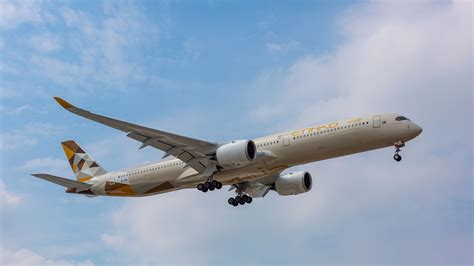
Yet in the real world, that advantage becomes far less decisive. The complexities of airline operations—winds, payload, routing, and economics—compress the gap to the point where both aircraft perform remarkably similarly on most routes.
The result is not a clear winner, but a balance of strengths:
- The A350-1000 stands as a next-generation efficiency leader, pushing the boundaries of fuel economy and sustainability.
- The 777-300ER remains a high-capacity, revenue-generating powerhouse, trusted for its consistency and cargo capability.
For airlines, the choice is rarely about which aircraft flies farther. It is about which aircraft makes more money doing it.