
In the world of commercial aviation, the distinction between Major and Legacy airlines has traditionally carried deep implications for pilots plotting their careers. While both categories fall under the broader “major airline” designation in FAA economic classification, the nuances in pay, seniority progression, work rules, quality of life (QOL), fleet variety, and corporate culture can significantly impact a pilot’s lifestyle and financial future. Over the past decade, especially post-pandemic, these once-clear lines have blurred. Today, choosing between a Major and Legacy airline is less about prestige and more about personal priorities.
Let us explore this intricate topic in full depth, from definitions to pay structures, contract evolution, and the lifestyle considerations that shape a pilot’s decision.
What Are Legacy Airlines?
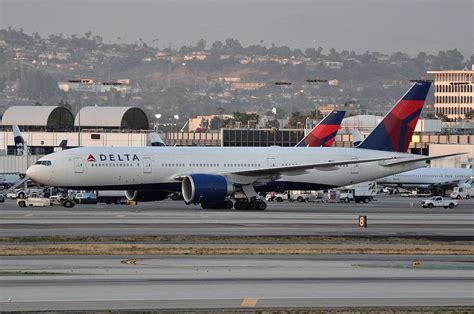
Legacy airlines refer to carriers that existed prior to the 1978 U.S. Airline Deregulation Act, which dismantled government control over fares, routes, and market entry. These airlines include American Airlines, United Airlines, and Delta Air Lines, with Alaska Airlines sometimes debated as a quasi-legacy due to its long history and pre-deregulation operations.
Legacy carriers are marked by:
- International routes and long-haul widebody operations.
- Global alliances and large interline agreements.
- Tiered fare structures, including premium business and first-class cabins.
- Historically stronger unions and contract protections.
Their extensive hub-and-spoke networks and larger operational complexity often come with both career opportunity and logistical challenges.
What Defines a Major Airline?
Major airlines, as defined by the Department of Transportation (DOT), are airlines with annual revenues over \$1 billion. This category includes both Legacy and non-Legacy Majors. Carriers such as Southwest, JetBlue, Spirit, Frontier, Allegiant, and even Sun Country fall under this designation.
Non-legacy majors tend to:
- Operate under a low-cost carrier (LCC) or ultra-low-cost carrier (ULCC) model.
- Emphasize domestic routes, often without widebody aircraft.
- Prioritize point-to-point service over traditional hub-and-spoke.
- Offer simplified fare structures and less emphasis on premium cabin service.
Despite being newer or smaller, many non-legacy majors have rapidly improved pilot pay, work rules, and benefit packages, challenging the traditional dominance of legacies.
Contract Evolution and Pay Structures
Until recently, Legacy carriers were known for their superior pay rates, retirement benefits, and schedule protections. However, due to competitive labor dynamics and union negotiations, non-legacy majors have closed the gap dramatically.
For instance:
- Southwest pilots now earn rates rivaling or exceeding Delta’s in some categories, particularly at the First Officer (FO) level.
- Sun Country introduced widebody pay rates that surpass long-established carriers.
- Frontier and Spirit offer scheduling flexibility that Legacy carriers struggle to match, allowing pilots to manipulate schedules, pick up or drop trips aggressively, and fine-tune their work-life balance.

Contracts at majors like JetBlue and Allegiant often include:
- 15% or more direct contributions (DC) to retirement.
- Long-call reserve systems.
- Options to drop to zero or build aggressive blocks of time off.
Quality of Life: A Personal Equation
When comparing airlines, QOL (Quality of Life) can be highly subjective. For some pilots, it’s about maximizing days off or avoiding commutes. For others, it’s about quick upgrade times, healthcare benefits, or access to specific domiciles.
At Southwest or Spirit, pilots might enjoy:
- Better schedule control due to more flexible trip trading.
- More days off per month, especially with intelligent pairing strategies.
- Access to bases closer to home, eliminating commute fatigue.
In contrast, a pilot at a Legacy airline might benefit from:
- Access to international flying and widebody aircraft.
- Long-haul rest provisions, better hotel standards, and premium layovers.
- More stable and predictable seniority systems at mature bases.
However, seniority advancement at Legacies can be painfully slow, especially in saturated domiciles. In contrast, Frontier or Allegiant may offer faster upgrades to Captain within 3–5 years, something nearly unthinkable at Delta or United.
Fleet Composition and Flying Experience
Widebody aircraft operation is often synonymous with Legacy carriers. Pilots at United or Delta may fly Boeing 777s, 787s, or Airbus A350s, opening the door to transoceanic flying and higher hourly pay.
Yet this comes with tradeoffs:
- Longer trip durations, sometimes 7+ days away from home.
- High seniority thresholds for bid awards.
- Limited bid movement into preferred fleets or routes due to competition.
Non-Legacy majors, while mostly narrowbody-focused, have evolved. Sun Country now has widebody pay rates in preparation for possible 767 and A330 operations, reportedly tied to Amazon’s logistics network expansion. In a few short years, even ULCCs are now bidding on global freight opportunities, turning heads across the industry.

Seniority and Career Progression
Seniority is everything in aviation. Your ability to upgrade to Captain, bid preferred schedules, or move domiciles all hinge on your date of hire.
Legacy carriers, with their massive pilot groups and long-standing bases, often require:
- Longer waits for Captain upgrades, especially in desirable fleets like widebodies.
- Greater competition for bases like JFK, ATL, LAX, or ORD.
- Seniority “logjams” where thousands of pilots are stacked closely due to hiring booms.
Meanwhile, a pilot joining Allegiant or Frontier today could be:
- Upgrading in 3–5 years.
- Quickly accruing vacation time and days off.
- Gaining faster access to training or check airman roles.
This accelerated progression can be life-changing for younger aviators seeking early six-figure incomes and schedule autonomy.
Base Locations and Commuting Realities
Base location significantly impacts pilot lifestyle. Legacy carriers dominate major hubs, offering:
- More international variety.
- Flight options for commuters from outstations.
But newer majors have been strategically expanding into underserved or secondary markets:
- Allegiant has bases in non-traditional cities like Bellingham, Punta Gorda, and Knoxville.
- Frontier’s Denver hub offers quick upgrades due to high attrition and growth.
- Spirit’s presence in DTW (Detroit) or FLL (Fort Lauderdale) offers desirable locations for East Coast pilots.
This means a pilot living in North Dakota may prefer Spirit in Detroit over commuting to Dallas for American, simply because the daily lifestyle trade-offs are more favorable.
Benefit Packages and Insurance Differences
Legacy airlines often boast more robust benefit offerings, including:
- Cadillac-tier medical insurance, albeit sometimes at high costs.
- Generous vacation policies.
- Long-term disability protections.
However, some Majors like Southwest have disrupted this balance by offering comparable or better insurance plans with minimal out-of-pocket costs. Pilots have noted that while Delta offers extensive plan choices, they often come with premium pricing. Conversely, Southwest’s low-cost, high-value healthcare plans are favored among pilots with families or specific medical needs.
Cultural Identity and Work Environment
Lastly, culture plays a pivotal role. Southwest, despite straddling the legacy line in age, retains a distinct LCC spirit — casual uniforms, a collaborative cockpit environment, and a customer-service-centric culture.
JetBlue promotes innovation with its “Mint” premium cabin, tech-driven operations, and New York identity. Spirit and Frontier emphasize efficiency and aggressive cost controls, but also provide avenues for quick command.
Legacy carriers, for better or worse, often come with more bureaucracy and formality, which some pilots find restrictive, while others appreciate the structured professionalism.
So, What’s the Real Difference Today?
In 2025, the line between Major and Legacy airlines has faded. The difference is no longer a strict binary but a spectrum of choices driven by your goals, location, and lifestyle preferences.
Do you want early command and flexible schedules? Consider Frontier, Allegiant, or Spirit.
Do you aspire to fly long-haul international trips in widebodies? Delta or United may be your calling.
Want fast progression and strong benefits without commuting? Southwest and Sun Country could be ideal.
Live in a city served by a strong Legacy base? American might offer the QOL you seek.

Ultimately, the advice from seasoned pilots is clear: choose the airline that aligns with your personal vision, not one that merely looks good on a resume. Contracts evolve, pay scales change, and reputations rise and fall — but your life outside the flight deck matters most.
Frequently Asked Questions (FAQs)
What is the key difference between Major and Legacy airlines?
The term “Legacy” refers to airlines that existed before the Airline Deregulation Act of 1978 and typically operate international and widebody services. “Major” is a broader term defined by revenue, and includes both Legacy and modern low-cost carriers.
Do Major airlines now offer the same pay as Legacy carriers?
Yes, in many cases. Airlines like Sun Country, Southwest, and Spirit have introduced pay rates rivaling or exceeding Legacy counterparts, especially for First Officers and narrowbody Captains.
Is quality of life better at Legacy or Major airlines?
It depends on the individual’s priorities. Some Majors offer more schedule flexibility, faster upgrades, and better base locations for certain pilots. Legacies may offer more prestige and international flying, but often with slower progression.
Are widebodies only available at Legacy carriers?
Primarily, yes. However, airlines like Sun Country are expanding into widebody operations, and more non-legacy majors are bidding for freight and charter contracts that require such aircraft.
Which airline should I choose for long-term career growth?
Choose the airline that aligns with your personal goals: location, schedule, pay, and fleet type. All Majors and Legacies now offer viable, lucrative career paths if chosen wisely.
Bold decisions define aviation careers — not just the planes we fly, but where we choose to fly them from.