The distinction between attack jets and fighter jets is more than just nomenclature. Each serves a sharply defined purpose within the strategic framework of modern warfare. Despite their shared high-performance DNA, these aircraft embody very different design philosophies, mission profiles, and combat roles. By dissecting their capabilities, armaments, and operational uses, we gain a clearer picture of how they contribute uniquely to aerial dominance and battlefield support.
Fundamental Purpose: Air Dominance vs. Ground Annihilation
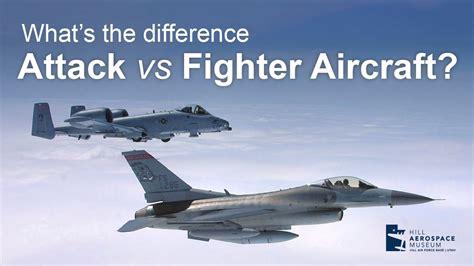
Fighter jets are engineered for one overriding goal: control of the skies. Speed, agility, and vertical reach are paramount. Their streamlined airframes and powerful engines allow them to fly at blistering speeds—well over Mach 2 in the case of aircraft like the F-15 Strike Eagle. These jets are built to intercept, dogfight, and eliminate airborne threats before they reach their target.
Attack jets, by contrast, are tactical weapons platforms designed to deliver precise destruction to ground targets. Take the legendary A-10 Thunderbolt II, more famously known as the Warthog. This aircraft thrives in low-altitude operations, loitering over battlefields to provide critical close air support (CAS) to ground troops. Heavily armored and capable of absorbing heavy damage, attack jets trade speed and maneuverability for resilience and firepower.
Speed vs. Survivability: Design Trade-offs
The contrasting missions of these aircraft dictate radically different designs. Fighter jets, such as the F-22 Raptor, prioritize lightweight materials and aerodynamic profiles to achieve air superiority. These aircraft are typically equipped with stealth features and thrust-vectoring capabilities that allow for stunning aerial maneuvers. But this agility comes at a cost: less armor.
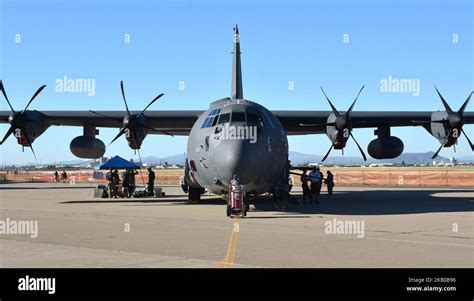
On the other hand, attack aircraft like the A-10 incorporate titanium “bathtub” armor to shield the pilot and vital systems. Even the AC-130J Ghostrider, a modified cargo aircraft turned aerial gunship, embodies this philosophy—slower, bulkier, yet terrifyingly effective in support roles, bristling with side-mounted howitzers and cannons.
Weapons Systems: Air-to-Air vs. Air-to-Ground Arsenal
Weaponry defines a jet’s combat role. Fighter jets are armed primarily with air-to-air missiles, such as the AIM-120 AMRAAM or AIM-9 Sidewinder. These are designed to track, engage, and destroy enemy aircraft at short or extended ranges. Their secondary armament may include limited precision-guided bombs, used when the fighter takes on a multirole function.
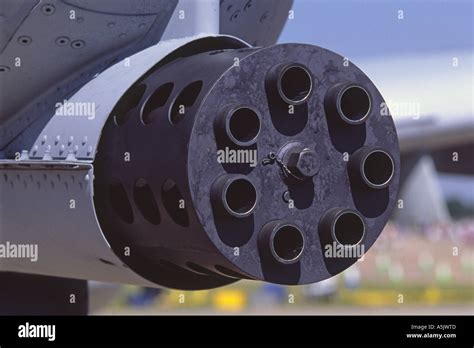
In contrast, attack jets are optimized for ground targets. The A-10’s defining weapon is the GAU-8/A Avenger, a 30mm seven-barrel Gatling gun capable of shredding tanks and fortified positions. The AC-130J, dubbed the “Angel of Death,” features a Precision Strike Package that includes a 105mm howitzer and a suite of guided munitions.
Operational Range and Mission Scope
While both aircraft types can operate in overlapping theaters, their deployment scenarios are starkly different. Fighter jets are dispatched to dominate the airspace, often far from friendly forces. They are the vanguard of aerial warfare, securing the skies before ground operations commence.
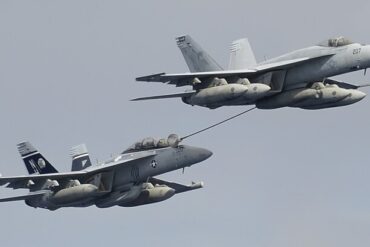
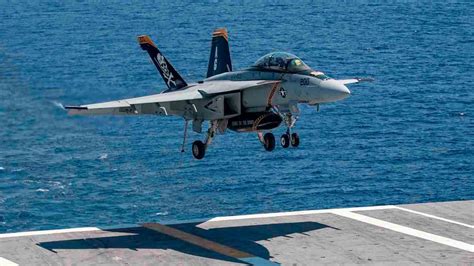
Attack jets, on the other hand, remain closer to the action. The A-10 and AC-130J circle over ground engagements, coordinating with infantry units to deliver responsive firepower. Some multirole aircraft like the F/A-18 Super Hornet can switch roles based on mission demands, carrying both air-to-air missiles and laser-guided bombs for surgical strikes. But even these aircraft cannot match the loitering capability and low-speed targeting precision of a dedicated attack platform.
Conclusion: Complementary Forces in Modern Warfare
Though the public often lumps all fast-flying military aircraft into the category of fighter jets, the differences between attack and fighter jets are strategic and essential. Attack jets such as the A-10 Warthog and AC-130J Ghostrider specialize in ground suppression and troop support with unmatched precision and endurance. Fighter jets like the F-15, F-22, and F/A-18, in contrast, maintain aerial dominance through unmatched speed and agility.
Both types are indispensable. In an integrated combat environment, one clears the skies while the other scorches the earth. Understanding their roles enhances not only our appreciation for military aviation but also the tactical synergy that makes modern air warfare so effective.