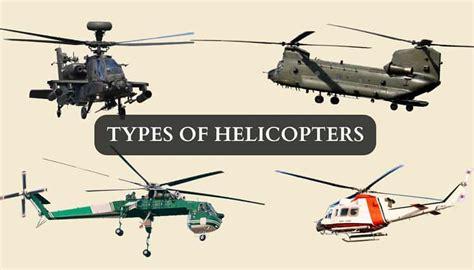
In the world of military aviation, terminology often overlaps, yet distinctions in design, purpose, and deployment strategies separate platforms that seem, at a glance, to serve the same function. Among the most frequently conflated terms are “helicopter gunship” and “attack helicopter”. While both are instruments of aerial aggression and tactical support, their evolution, design philosophy, and battlefield roles diverge in meaningful and mission-critical ways.
Understanding the Core Distinction: Design and Purpose
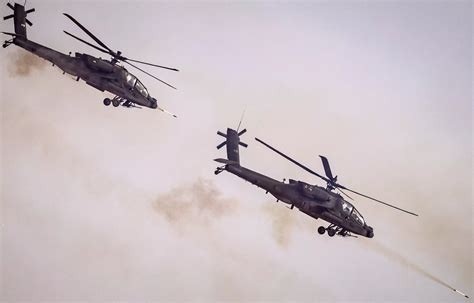
The primary difference lies in design origin and operational doctrine. An attack helicopter is purpose-built from the ground up for combat roles. These aircraft are designed to be offensive platforms, often with armor protection, advanced avionics, and integrated weapons systems that make them capable of anti-tank, close air support, and reconnaissance missions.
By contrast, a gunship—when the term is applied to helicopters—is often a converted utility or transport helicopter with weapons attached to it. The hallmark of a gunship lies in its adaptability; it is not designed primarily for combat but is modified to participate in combat roles. This gives gunships flexibility but generally lower survivability and offensive punch compared to dedicated attack helicopters.
Form Follows Function: The Anatomy of a Combat Helicopter
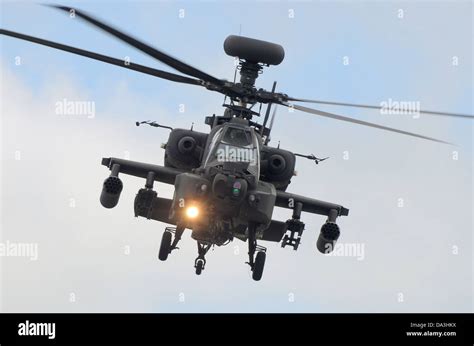
Let us consider the AH-64 Apache, arguably the most recognized attack helicopter in modern warfare. With a narrow fuselage, tandem seating for a pilot and weapons officer, armor plating, and a heavy weapons loadout including Hellfire missiles, Hydra 70 rockets, and a 30mm chain gun, it exemplifies the attack helicopter’s single-minded dedication to destruction. Its entire frame is streamlined for survivability and lethality, minimizing transport capacity in favor of armor and electronics.
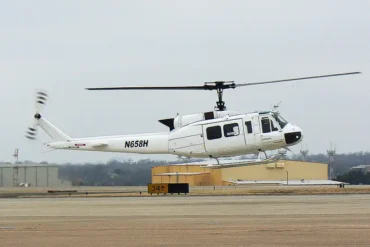
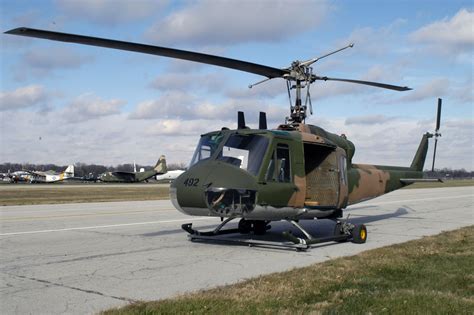
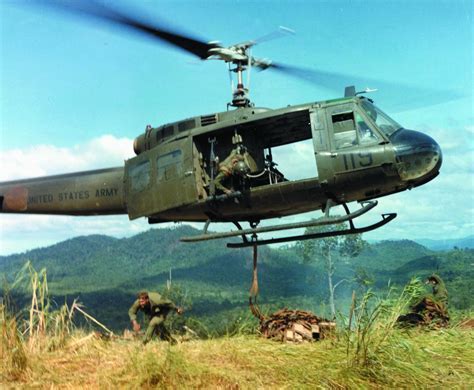
In contrast, consider the Bell UH-1 Iroquois, also known as the Huey. During the Vietnam War, this utility helicopter was retrofitted with side-mounted machine guns and rocket pods, turning it into a gunship. It retained the capacity to carry troops or supplies, but added fire support capability. Gunships like the Huey were invaluable in asymmetric warfare, offering mobility and suppressive fire, but lacked the armor and targeting sophistication of dedicated attack helicopters.
Crew Configuration and Weapon Orientation
Another critical distinction lies in crew configuration and weapon alignment. Attack helicopters generally feature tandem cockpits with two crew members: a pilot and a gunner/weapons systems officer. All primary weapons systems are forward-facing, allowing the aircraft to execute strafe attacks, coordinated missile launches, and tactical insertions against hardened targets.
Gunships, on the other hand, often use a side-firing configuration. Weapons such as miniguns, door-mounted cannons, and grenade launchers are operated by crew members stationed at openings in the fuselage. The aircraft is meant to orbit a target area, laying down continuous fire rather than engaging in brief, targeted strikes. This loitering capacity, especially seen in fixed-wing gunships like the AC-130, is mirrored in some rotary gunship operations, though to a lesser degree due to weight and stability limitations.
Offensive Power vs. Support Fire
While both platforms are capable of delivering lethal force, their combat roles typically differ. Attack helicopters are tasked with taking out enemy armor, fortifications, and even enemy aircraft, depending on onboard systems. They operate at the spearhead of mechanized forces, often in conjunction with ground units, but always maintaining forward offensive pressure.
Gunships, by contrast, are support platforms. Their primary role is troop support, suppression of enemy positions, and force protection during airlift missions. They provide a volume of fire rather than precision, and while some may carry heavier armament, their mission profile is more about persistence than penetration.
Global Variations and Blurred Lines
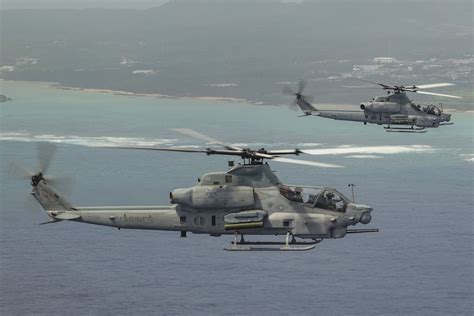
The distinction between gunships and attack helicopters is clearer in Western military doctrine, particularly in the U.S., where the AH-64 Apache and AH-1Z Viper epitomize the attack role. Yet Russian and Eastern military doctrine often blurs these lines.
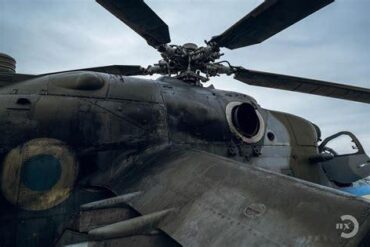
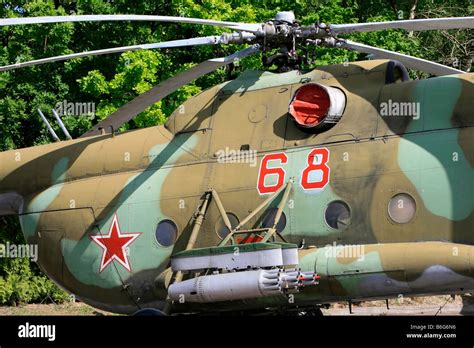
The Mil Mi-24 “Hind” is a unique hybrid. Originally designed as a gunship with troop-carrying capacity, it incorporates features of both classes. It is heavily armed, armored, and capable of rapid assault, but can also carry up to eight troops internally. The Mi-24 challenges classification, leading many to label it a “flying infantry fighting vehicle”.
Similarly, Israel’s defense doctrine embraces multi-role systems that defy traditional categories. Their helicopters often serve as both gunships and troop transports, optimizing survivability and lethality in the confined geographies they operate within.
Weapon Systems and Targeting Technology
One of the sharpest contrasts between the two lies in target acquisition and weapons integration. Modern attack helicopters employ advanced targeting systems such as:
- FLIR (Forward-Looking Infrared) sensors
- Helmet-mounted sights
- Radar-guided munitions
- Autonomous targeting computers
These technologies allow for precision strikes, often at stand-off ranges, giving the attack helicopter a key advantage in survivability and mission efficiency.
Conversely, gunships typically rely on manually operated weapons, visual sighting, and basic stabilization systems. While effective against infantry and light vehicles, their capability to engage hardened targets is limited by their targeting infrastructure.
Tactical Deployment and Mission Profile
Attack helicopters are deployed in missions that require rapid engagement and withdrawal, shock value, and targeted elimination. They often work in hunter-killer pairs, with one helicopter locating targets and another engaging them, particularly in anti-armor roles.
Gunships, meanwhile, serve best in low-threat environments, or in scenarios where prolonged fire support is needed. They are commonly deployed in counter-insurgency operations, urban warfare, or as escort units during transport missions.
Notable Platforms and Hybrid Models
To better understand the distinctions and the grey areas, consider the following notable platforms:
Attack Helicopters
- AH-64 Apache (USA): Tandem-seated, heavily armored, multiple weapon hardpoints.
- Eurocopter Tiger (EU): Agile, stealth-featured, optimized for high-speed low-level attack.
- Bell AH-1Z Viper (USA): An evolved Cobra with advanced avionics and missile systems.
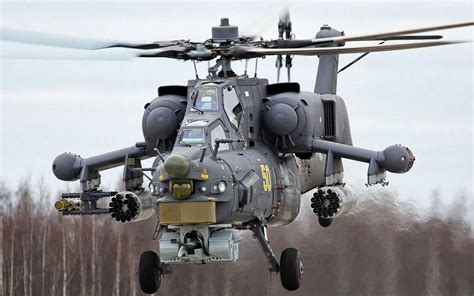
- Mil Mi-28 “Havoc” (Russia): Pure attack helicopter, heavily armored, with radar domes and anti-armor focus.
Gunships
- Bell UH-1 Huey (USA): Originally a utility helicopter, modified into a gunship.
- AC-130 Spectre (USA, fixed-wing): Paradigm of the gunship concept in fixed-wing form.
- Mil Mi-24 “Hind” (Russia): Dual-purpose, capable of troop transport and heavy weapon deployment.
- Sikorsky UH-60 Black Hawk (USA): When outfitted with external weapon systems and door gunners, used in gunship roles.
Conclusion: A Spectrum Rather Than a Line
The differentiation between helicopter gunships and attack helicopters is not simply academic; it reflects operational philosophy and battlefield necessity. Attack helicopters are sleek, purpose-built killing machines optimized for high-intensity conflict and rapid tactical strikes. Gunships, though sometimes wielding formidable firepower, are adapted platforms serving in a broader array of support roles.
Yet the line between them continues to blur as hybrid platforms emerge and global doctrines evolve. Aircraft like the Mi-24 Hind or Black Hawk gunship variants challenge rigid classification, reflecting the reality that combat requirements often outpace terminology. As technology continues to advance, we may see a future where the difference is less about design and more about mission-specific configuration.
In understanding these differences, we gain insight not only into aviation design philosophy, but also into the tactical doctrines and operational priorities of the militaries that deploy them. The evolution of these aerial weapons reflects the constant interplay between form, function, and the fog of war.