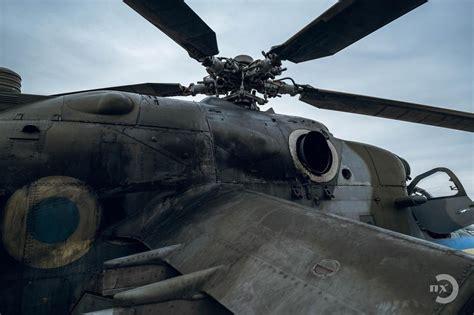
In the brutal, ever-shifting landscape of the Russo-Ukrainian War, the appearance of Czech-supplied Mi-24V Hind helicopter gunships in Ukrainian service has introduced a legacy platform that continues to demonstrate its lethality and strategic relevance. Designed during the Cold War to serve as a high-speed, armored flying tank, the Mi-24V Hind blends the attributes of a heavily armed gunship with a limited troop transport capability, offering a level of versatility that has kept it relevant in modern hybrid warfare.
Ukraine’s deployment of these Czech-transferred aircraft symbolizes more than battlefield utility—it represents a geopolitical shift, one that draws on Eastern Bloc legacies to fuel modern European solidarity. These Mi-24Vs were originally built between 2003 and 2005, making them some of the newest rotary-wing assets in the Ukrainian arsenal, especially significant given the aging state of much of Ukraine’s Soviet-era air inventory.
Origins of the Mi-24V: Cold War Titan in a Modern Conflict
The Mi-24V, NATO codename Hind-E, evolved as a major production variant of the original Mi-24D. It was developed by the Mil Moscow Helicopter Plant as an improvement over earlier Hind models, with a focus on integrating advanced 9M114 Shturm-V (AT-6 Spiral) anti-tank guided missiles and upgraded avionics. The Soviet Union envisioned the Hind as a platform capable of assault, fire support, and limited troop deployment. It offered heavy armor protection for both crew and vital systems—qualities now highly prized in the attritional style of warfare that has defined the Ukrainian theater.
The Hind was never subtle. Its massive frame, characteristic tandem cockpit, and stubby wings mounting a wide variety of armaments earned it the reputation of being a “flying infantry fighting vehicle”. Its presence on the battlefield in Ukraine conjures Cold War-era flashbacks but with a distinctly modern edge, given the evolving tactics and upgraded munitions now being employed.
Czech Republic’s Strategic Contribution: Transferring Legacy Firepower
When the Czech government committed to transferring a number of Mi-24V helicopters to Ukraine, it was more than a material contribution—it was a declaration of strategic alignment. The Czech aircraft were among the best-preserved and most modernized in Central Europe, many maintained in accordance with NATO-compatible standards since the early 2000s. Their transfer, reportedly completed under high secrecy, added meaningful vertical strike capability to Ukraine’s embattled rotorcraft forces.
These helicopters came fully operational, with full weapon compatibility and maintenance kits. The Czech Air Force phased them out as it modernized its inventory, replacing the Soviet legacy fleet with AH-1Z Viper and UH-1Y Venom helicopters. But rather than mothballing the Mi-24Vs, Prague made a calculated decision to empower Kyiv at a time when its rotary-wing assets were being systematically attrited by Russian strikes.
Technical Specifications and Battlefield Capabilities
The Mi-24V Hind-E is a formidable airframe with the following core specifications:
- Engines: 2 × Klimov TV3-117 turboshaft engines (2,200 hp each)
- Top Speed: 335 km/h (208 mph)
- Combat Range: ~450 km with internal fuel
- Crew: 2 (pilot and gunner) + up to 8 troops
- Armament:
- 1× YakB-12.7 mm machine gun (nose turret)
- Up to 4 × 9M114 Shturm ATGMs
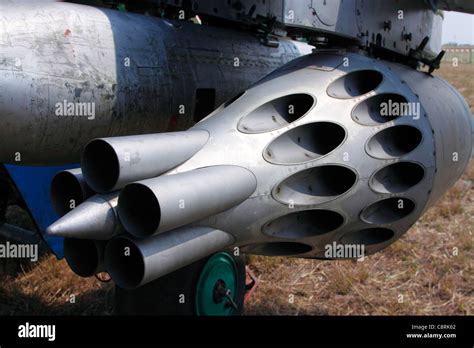
- 57mm or 80mm rocket pods
- Optional 23mm or 30mm gun pods, bombs, or anti-aircraft missiles
Its armor plating and self-sealing fuel tanks allow the Mi-24V to absorb substantial damage, enabling it to operate in contested zones where less robust platforms would struggle to survive. When paired with drone surveillance and proper close air support coordination, it becomes a deadly anti-armor and suppression asset, ideal for both rear-area disruption and front-line engagements.
Combat Deployment in Ukraine: Tactical Use and Adaptation
Ukrainian forces have integrated the Mi-24V into both offensive and defensive operations, particularly in sectors where infantry maneuver requires rapid aerial fire support. The terrain of Eastern and Southern Ukraine—marked by broken cities, river systems, and industrial sprawl—has proven ideal for low-level helicopter operations. Despite the ever-present threat of MANPADS and radar-guided SAMs, pilots have adapted by flying nap-of-the-earth routes, using terrain masking and speed to minimize exposure.
The Mi-24’s multi-mission role has seen it escort medical evacuations, suppress enemy armor columns, and respond quickly to sudden breakthroughs. Ukrainian crews have been trained by both local and allied partners in updated tactics, and there’s credible evidence that Western communications and navigation systems have been integrated into some Czech-supplied units. This hybridization improves both survivability and battlefield coordination.
One unique role observed has been its use as a “terror weapon”—not in the psychological warfare sense, but as an immediate reaction force capable of rapidly saturating a target zone with high-explosive ordnance, denying enemy units time to regroup or advance.
Pilot Culture and the Symbolism of the Hind in Ukrainian Service
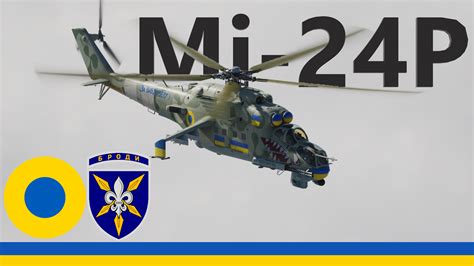
Ukrainian military aviators often personify their aircraft with mythic reverence. The Mi-24V, with its beastly silhouette and haunting warpaint, has captured the imagination of both pilots and civilians alike. Images of Hinds adorned with custom nose art, names like Ghost, and slogans like “Let’s kill some bloody orcs” have gone viral, fueling morale and myth-building in a war where perception is nearly as potent as firepower.
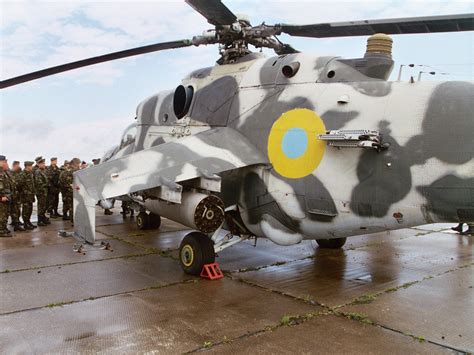
The nickname “dakka-dak”, slang for the thundering sound of its YakB-12.7mm gatling gun, has entered the vernacular of frontline troops and internet warriors alike. Pilots reportedly share call signs referencing video game icons like Ghost from Call of Duty, blending digital culture with frontline realities. These machines, some originally feared relics of the Soviet threat, are now avatars of Ukrainian resistance, given second life by Czech resolve.
Limitations and Risks in the Modern Air Defense Environment
Despite its strengths, the Mi-24V is not without vulnerability. It is large, relatively loud, and lacks the stealth or advanced defensive countermeasures of newer Western platforms. Russian forces have deployed short-range air defenses such as the Tor-M2, Pantsir-S1, and ubiquitous MANPADS systems, all of which pose a significant threat to helicopters.
Ukrainian crews compensate through agility and tactical flexibility, but losses are inevitable in such a high-threat environment. Moreover, the Mi-24’s age means spare parts, especially rotor and transmission components, must be carefully managed. While Czech logistical support includes spares, the sustainability of a frontline Mi-24 force depends on robust maintenance infrastructure.
Future Prospects: Bridging to Western Platforms or Lasting Legacy?
Ukraine’s eventual transition to a fully NATO-compatible air force will likely render the Mi-24 a temporary solution. Yet, given its current battlefield success and psychological value, its utility cannot be overstated. Whether Ukraine acquires AH-64 Apaches, Tiger HADs, or even T129 ATAKs, the experience gained from operating Mi-24s in high-intensity warfare will translate directly into future doctrine.
Some experts suggest that these Hinds may serve beyond the war as training and ceremonial units, preserving their legacy while honoring their critical role in Ukraine’s defense. Others advocate for further upgrades—adding thermal imaging, laser designation, or even Western ATGM integration—to extend their service life.
Conclusion: Old Beast, New Purpose
The Czech-supplied Mi-24V Hind gunships are more than battlefield tools—they are living artifacts of post-Soviet adaptation, testaments to allied solidarity, and icons of resistance in a war that is redefining the modern battlefield. Their thundering presence, battlefield agility, and cultural imprint ensure they will be remembered not merely as relics, but as warriors reborn.
As Ukraine continues its arduous fight for sovereignty, the Hind stands as a flying monument to the fusion of past machinery and present necessity, delivering fire and fury where it is needed most.