Saudi Arabia’s calculated airstrike on the southern Yemeni port of Mukalla has triggered a seismic shift in regional alliances, laying bare the growing fault lines within the Gulf-led coalition that has waged war in Yemen since 2015. This targeted attack, aimed at UAE-supplied arms and combat vehicles allegedly destined for the Southern Transitional Council (STC), underscores the perilous fracture between Riyadh and Abu Dhabi at a time when unity is crucial.
Riyadh’s Justification: A Strike Against a Threat
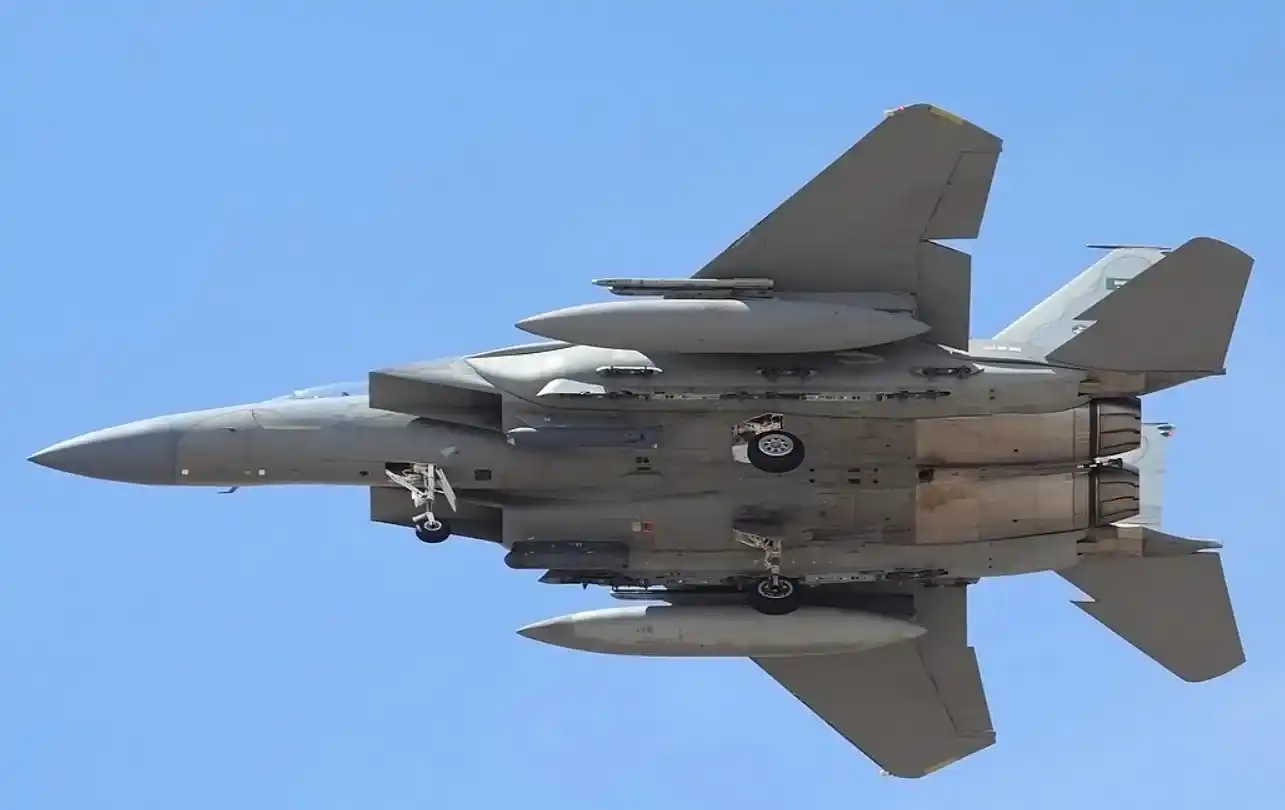
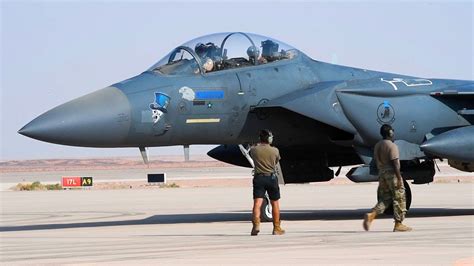
Early Tuesday, Saudi F-15 fighter jets struck Mukalla Port in Hadramawt governorate, destroying what the Saudi-led coalition called a “highly dangerous” arms shipment. The weapons and military hardware had arrived aboard two ships from the UAE port of Fujairah and were allegedly offloaded under a veil of secrecy after disabling tracking systems—a move Saudi officials viewed as an escalatory breach.
Coalition spokesman Turki al-Malki emphasized that the military action was “limited” and executed with precision to avoid casualties. Footage aired by Yemen’s state media showed plumes of black smoke and scorched vehicles, lending credence to reports of targeted damage.
Saudi media released surveillance footage capturing the movement of armored vehicles within Mukalla, alleging it as evidence of Emirati complicity in destabilizing the region.
UAE’s Firm Denial and Diplomatic Fallout
In a swift and pointed rebuttal, the UAE Foreign Ministry denied the accusations, asserting that the cargo did not contain arms nor was it intended for any faction involved in Yemen’s protracted war. The UAE “categorically rejected” allegations of meddling, framing the strike as a miscalculated escalation.
The exchange of statements between the two erstwhile allies signaled an unprecedented diplomatic rift. Saudi Arabia’s Foreign Ministry accused the UAE of threatening regional security by emboldening the STC, a secessionist group seeking to re-establish an independent South Yemen.
Southern Transitional Council: Power Grab or Self-Determination?
The STC, supported by the UAE since its inception, has made rapid territorial gains across Hadramawt and al-Mahra, leveraging military support and a popular push for southern autonomy. With these moves, the STC has shifted from being a junior coalition partner to a powerful actor with regional ambitions.
Led by Aidaros Alzubidi, the STC views the current moment as an opportunity to consolidate control over former South Yemeni territories. Its goals are framed as pragmatic: securing oil-rich lands, establishing governance, and cordoning off the South from the Iran-backed Houthi movement entrenched in the North.
Yemen’s Government Struggles to Maintain Authority
The Presidential Leadership Council (PLC), led by Rashad al-Alimi, responded to the STC’s advances and the Saudi strike with swift institutional measures. It declared a 90-day state of emergency, revoked its security pact with the UAE, and demanded Emirati withdrawal within 24 hours—a move Riyadh publicly supported.
In retaliation, STC leaders accused the PLC of bowing to foreign pressure and warned that hasty decisions could ignite renewed internal conflict. The threat of inter-factional war within the anti-Houthi bloc now looms large.
The Gulf Rift: Riyadh and Abu Dhabi on Diverging Paths
The airstrike has transformed the Saudi-UAE alliance from a tactical divergence into a strategic schism. Since 2015, both nations have nominally pursued the defeat of the Houthis, yet their endgames have clearly diverged. Saudi Arabia remains committed to the unity of Yemen under a central government, while the UAE has shifted toward supporting localized governance in the south.
The Mukalla incident isn’t just about a shipment—it’s a flashpoint revealing the extent to which geopolitical priorities have shifted. The UAE’s decision to withdraw its remaining forces in Yemen following the Saudi ultimatum adds weight to the strategic recalibration underway.
Hadramawt: The Strategic Prize
The stakes are highest in Hadramawt, Yemen’s largest and most oil-rich province. Bordering Saudi Arabia and hosting several deepwater ports, including Mukalla, the region offers not just resource wealth but geostrategic depth.
Saudi Arabia has long-standing economic and cultural ties with Hadramawt. Many influential business families in the kingdom trace their roots to this region. Losing political sway here, especially to a UAE-backed militia, is viewed in Riyadh as both a strategic and symbolic defeat.
“If I’m Saudi Arabia, I’d be sleepless if I lose Hadramawt,” said Farea al-Muslimi, a fellow at Chatham House. The Saudi response—airpower and political pressure—is driven by this anxiety.
Escalation Risks: UN Truce in Jeopardy
Yemen has been under a UN-brokered truce since 2022, offering a fragile respite from the horrors of a civil war that has claimed over 150,000 lives. The current standoff threatens to shatter that peace.
Tensions are boiling over as 15,000 Saudi-backed troops mass near the border, awaiting orders. Meanwhile, Saudi airstrikes on STC positions in recent days indicate a willingness to push beyond diplomatic channels.
International observers warn that these internal disputes could unravel the anti-Houthi coalition, inadvertently strengthening the very force it was designed to fight. The Iranian-aligned Houthis, who control northern Yemen and Sanaa, stand to benefit from any internal fractures.
The Long War Within A War
What began as a campaign to oust the Houthis has mutated into a multilayered war of allegiances and shifting fronts. Yemen’s war is no longer a binary fight—it’s a mosaic of fragmented alliances, local power struggles, and foreign ambitions.
The UAE’s backing of the STC reflects a desire to shape Yemen’s south as a buffer zone or sphere of influence, potentially allowing Abu Dhabi control over vital ports and maritime routes.
Saudi Arabia, on the other hand, sees such fragmentation as an existential threat to its border security and regional leadership role.
Can Diplomacy Still Work?
A senior coalition source told Reuters that diplomacy remains an option, suggesting Riyadh could still step back from the brink. However, repeated attempts at dialogue have been met with battlefield escalations.
The fact that Saudi Arabia carried out the Mukalla strike after allegedly issuing multiple warnings indicates a pivot away from quiet diplomacy. Yet, Riyadh still stops short of launching a ground offensive—perhaps keeping diplomatic avenues open.
Outlook: A Region on Edge
The Mukalla strike is a turning point. It has fractured a once-solid alliance, emboldened separatists, and deepened uncertainty in a region already beset by instability. With Abu Dhabi pulling out and the STC refusing to back down, Saudi Arabia now faces a two-front challenge: keeping the anti-Houthi coalition intact while suppressing southern ambitions for independence.
The next steps—whether military, diplomatic, or a mixture of both—will determine not just the future of Yemen’s territorial integrity, but the balance of power within the Gulf.
As Saudi Arabia recalibrates and the UAE retreats, the broader strategic implications ripple far beyond Yemen’s shores, potentially reshaping Gulf politics for years to come.