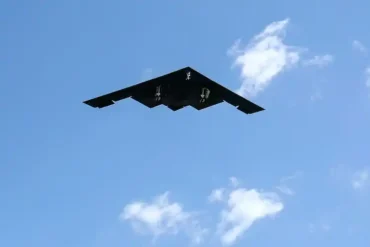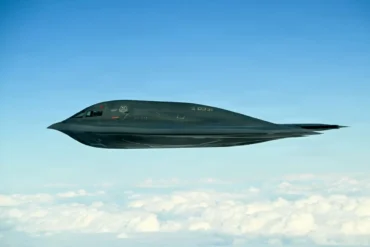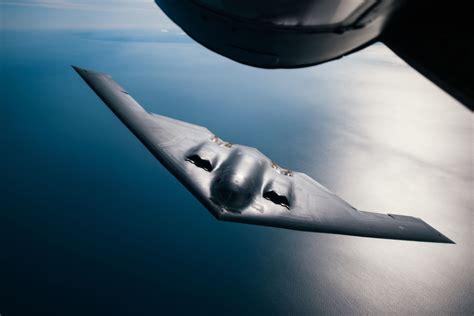
In a highly coordinated and unprecedented military operation, the United States launched a devastating aerial assault on Iran’s most fortified nuclear facilities, deploying seven B-2 Spirit stealth bombers under the codename Operation Midnight Hammer. The mission, which took place under the cover of darkness on Sunday, marked a significant escalation in the ongoing conflict involving Iran, Israel, and Western allies. According to Pentagon officials, the strike involved 125 U.S. aircraft, a complex deception plan, and a payload of the heaviest non-nuclear bombs in the American arsenal.
The Stealth Incursion: Anatomy of a Surprise Attack
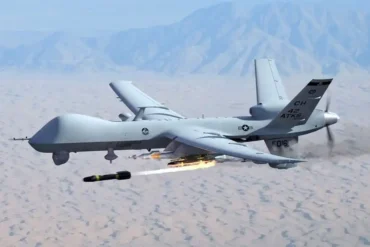
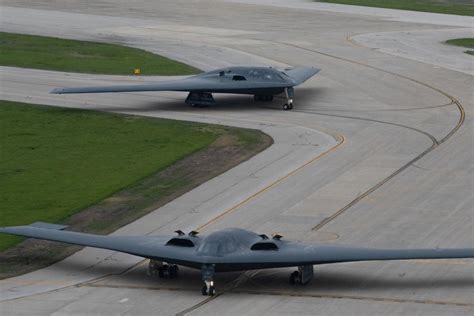
The aerial offensive was spearheaded by B-2 Spirit bombers launched from Whiteman Air Force Base in Missouri, later staged through Guam, a vital U.S. military outpost in the Pacific. The bombers, cloaked by their radar-evading design and operating in near-total radio silence, executed a long-range strike deep into Iranian territory. According to General Dan Caine, Chairman of the Joint Chiefs of Staff, the operation retained complete tactical surprise, with Iranian radar and air defenses failing to detect or intercept the incoming aircraft.
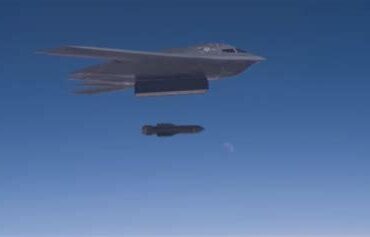
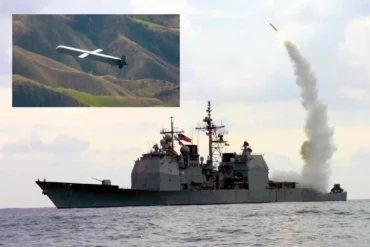
U.S. aircraft released over a dozen 30,000-pound Massive Ordnance Penetrators (MOPs), specifically targeting Fordo and Natanz, two nuclear enrichment facilities believed to be critical to Iran’s uranium enrichment capacity. Concurrently, Tomahawk cruise missiles were launched toward Isfahan, a secondary nuclear research hub. The depth and breadth of the strikes suggest meticulous planning, real-time coordination with satellite and drone surveillance, and an aim to neutralize Iran’s most sensitive underground nuclear assets.
Fordo and Natanz: Targets of Strategic Precision
The choice of targets highlights the United States’ intent to deliver a crippling blow to Iran’s nuclear capabilities. The Fordo facility, buried beneath nearly 300 feet of rock and concrete, was once considered impervious to conventional strikes. However, U.S. officials assert that the MOPs penetrated its outer defenses, resulting in structural collapse and presumed internal destruction. Although official Iranian channels have released no concrete damage assessments, U.S. President Donald Trump hailed the mission as a “spectacular military success.”
The Natanz facility, long monitored by international agencies for its extensive centrifuge installations, was also reportedly hit with precision-guided munitions. There is speculation that enriched uranium stockpiles and critical infrastructure may have been relocated prior to the strike, but the extent of the damage remains unverified amid conflicting reports and media blackouts within Iran.
Operation Midnight Hammer: Tactical Overview
According to the Pentagon’s account, Operation Midnight Hammer was built on layers of strategic deception. A number of B-2 bombers were deliberately flown over the Pacific Ocean to simulate a different operation, diverting Iranian attention away from the actual axis of attack. Meanwhile, airborne refueling tankers and electronic warfare aircraft provided continuous support, ensuring mission endurance and suppressing potential retaliatory measures.
General Caine noted that Iranian fighter jets remained grounded, and their surface-to-air missile (SAM) systems were ineffective throughout the assault. The complete absence of Iranian counteraction indicates either technical failure, confusion, or an intentional decision to avoid immediate escalation. In the immediate aftermath, massive explosions were reported in Bushehr and Yazd provinces, though official confirmation of U.S. responsibility was withheld.
Israel’s Parallel Offensive and Strategic Calculations
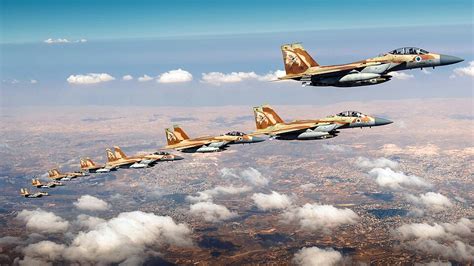
As U.S. aircraft bombarded Iranian nuclear sites, Israel continued its own wave of military strikes, further targeting missile launch systems and military installations across the country. Israeli military spokesperson Effie Defrin stated that Tel Aviv remains committed to dismantling Iran’s offensive capabilities and nuclear infrastructure, calling the joint operations a step toward eliminating the existential threat to the state of Israel.
Since the start of hostilities on June 13, Israeli strikes have resulted in over 400 deaths and more than 3,000 injuries in Iran, according to Iran’s Ministry of Health. Conversely, Iranian drone and missile attacks have killed 25 people in Israel. These escalating retaliations underscore the regional volatility and the growing likelihood of a broader Middle Eastern conflict.
The Diplomatic Fallout and Global Reactions
While the U.S. maintains that the strikes were purely military and avoided targeting civilians or troops, Iran’s leadership denounced the operation as an act of war. Iranian Foreign Minister Abbas Araghchi declared that the United States had “crossed a very big red line,” signaling potential retribution. The International Atomic Energy Agency (IAEA) voiced concerns over the possibility of nuclear material being relocated to unmonitored sites, thereby hampering global non-proliferation efforts.
Experts have warned that the destruction of facilities such as Fordo may be more symbolic than absolute. Nuclear analyst Heloise Fayet noted that while infrastructure can be obliterated, Iran’s scientific expertise and stockpile data remain intact, making the long-term effectiveness of the strike uncertain. Moreover, the loss of IAEA oversight may drive the Iranian nuclear program deeper into secrecy, creating an intelligence blind spot for the international community.
Strategic Implications: Tactical Victory, Strategic Risk?
Critics and analysts alike have questioned whether the tactical success of the raid will result in strategic stability. Andreas Krieg of King’s College London labeled the strike as a “high-risk operation” with unpredictable outcomes, emphasizing that underground facilities like Fordo are designed to withstand such attacks. Others suggest that Iran’s ability to rapidly rebuild or relocate its nuclear capabilities has not been significantly impeded.
According to Ali Vaez, Iran’s nuclear project director at the International Crisis Group, the elimination of Fordo alone won’t stop the Iranian program. “They have hundreds of advanced centrifuges stored in undisclosed locations,” he warned. Thus, while the strike may delay progress, it has not neutralized the threat, and may even incentivize Iran to escalate its program in defiance.
Iran’s Response Scenarios: Calibrated or Catastrophic?
Multiple experts anticipate that Iran will pursue a calibrated response, strong enough to preserve national pride but restrained to avoid full-scale war. Potential countermeasures include targeting U.S. military bases in the Gulf, closing the Strait of Hormuz, or launching cyberattacks on Western infrastructure. However, geopolitical analyst Michael A. Horowitz cautioned that such moves carry high risks and limited tactical benefit.
Instead, Iran might choose to strike Israeli targets and avoid direct confrontation with the United States. This strategy could grant President Trump a symbolic victory, while enabling Tehran to rally domestic support and intensify indirect warfare. Some voices within Iran’s political establishment argue that the country should withdraw from the Nuclear Non-Proliferation Treaty (NPT), thereby escalating the diplomatic crisis to an unprecedented level.
Conclusion: A Precarious Future
As the dust settles over Iran’s bombed-out nuclear sites, the world braces for what comes next. President Trump has framed the operation as a military necessity, calling on Iran to return to diplomacy. However, Iran now faces existential questions regarding its national security, regional influence, and global standing. With diplomatic channels strained and military tensions surging, the potential for a wider conflict remains dangerously high.
Whether Operation Midnight Hammer will be remembered as a decisive deterrent or the opening salvo in a broader war hinges entirely on Iran’s next move—and on the restraint or resolve of an increasingly fractured international order.