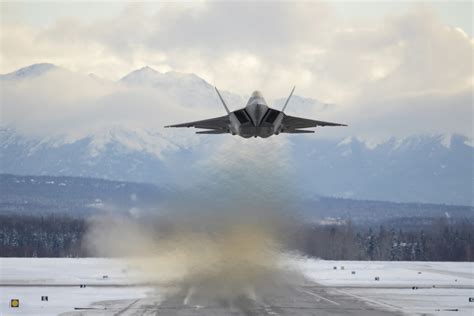
Operation Midnight Hammer, one of the most daring and complex US military missions in the Middle East in recent years, has taken a new turn with former President Donald Trump’s confirmation that F-35 Lightning II and F-22 Raptor stealth fighters played pivotal roles in the airstrikes against Iran’s fortified nuclear infrastructure. While official Pentagon communications had previously remained vague about the specific aircraft involved, Trump’s remarks at the NATO summit in the Netherlands cast new light on the unprecedented scale and coordination of the strike package.
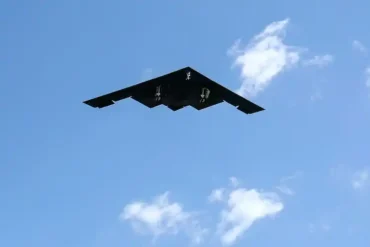
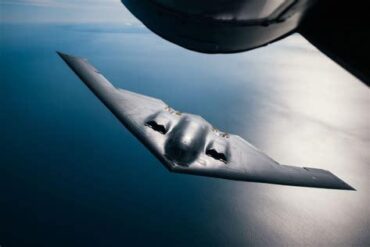
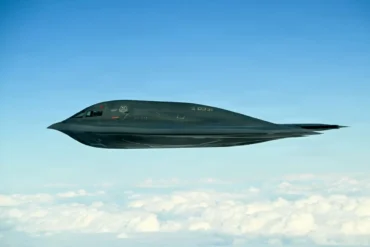
Conducted over the weekend, the massive air operation saw American aircraft strike three of Iran’s most heavily protected nuclear sites—Fordow, Natanz, and Isfahan—in a display of force designed to cripple Tehran’s uranium enrichment capabilities. The mission, characterized by its stealth, precision, and scope, featured a combination of B-2 Spirit stealth bombers, F-22 Raptors, F-35s, aerial refueling tankers, and naval-launched Tomahawk cruise missiles.
Stealth Fighters Spearheaded the Attack in Moonless Darkness
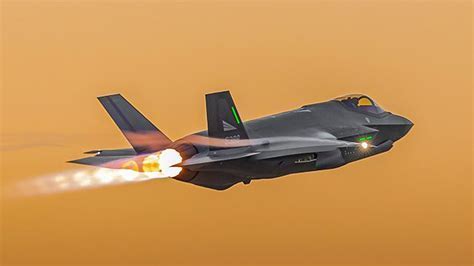
According to Trump, the air assault was carried out in “dead dark” conditions, a strategic advantage for fifth-generation fighters like the F-35 and F-22, which thrive in contested, low-visibility environments. “There was no moon, there was no light; it was virtually moonless. It was very dark, and the shots were hit perfectly,” Trump said. His remarks emphasized the complexity of the mission, requiring extensive planning, aerial refueling, and seamless coordination across military branches.
The F-22 Raptor, known for its air dominance capabilities and superior stealth, and the F-35 Lightning II, lauded for its multi-role versatility and intelligence-gathering prowess, were reportedly deployed to neutralize Iran’s integrated air defense systems ahead of the B-2 bombing run. Pentagon sources had earlier said only that a mix of fourth- and fifth-generation aircraft had “swept for enemy fighters and SAM batteries,” but did not name the platforms.
Trump also confirmed that the mission involved a staggering 52 aerial refueling tankers, underlining the extended range and endurance required for the transcontinental strike. Pilots reportedly flew for 36 hours roundtrip, a testament to the logistical precision behind the operation.
F-35’s Role Resurfaces Amidst Rising Criticism
The disclosure comes at a time when the F-35 program, despite being hailed as the backbone of modern US airpower, is under sharp scrutiny from some of Trump’s own allies. Figures such as Elon Musk and Laura Loomer have questioned the relevance and cost-effectiveness of the aircraft in an age increasingly dominated by drones and autonomous systems. The program, which has surpassed $2 trillion in total cost, has been plagued by maintenance issues, readiness gaps, and budget overruns.
Despite the controversy, the inclusion of F-35s in Operation Midnight Hammer reinforces its strategic value. The jet’s advanced sensors, stealth technology, and ability to integrate with other platforms made it a key asset during the operation. Notably, the Israeli Air Force’s F-35I Adir variant has long been credited with successful covert strikes on Iranian assets, and the US now appears to have followed suit using its conventional fleet.
The Unfolding Sequence of the Airstrike
According to Gen. Dan Caine, Chairman of the Joint Chiefs of Staff, over 125 aircraft were mobilized for the mission, including:
- 7 B-2 Spirit stealth bombers
- Multiple F-22 Raptors and F-35A Lightning IIs
- 52 aerial refueling tankers
- Unspecified surveillance and support aircraft
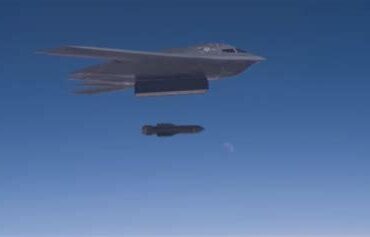
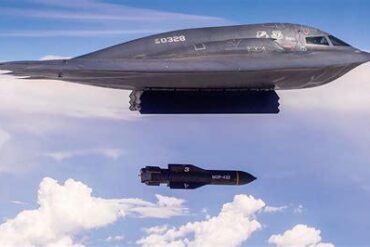
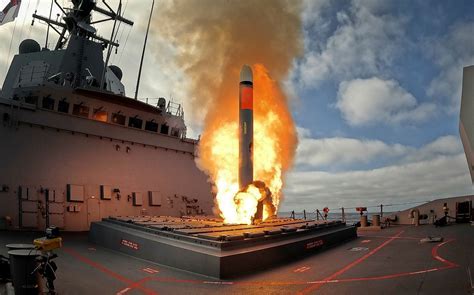
The B-2s were responsible for deploying 14 GBU-57 Massive Ordnance Penetrators, each weighing 30,000 pounds, onto underground enrichment bunkers at Fordow and Natanz. Concurrently, a US Navy submarine operating in the region launched 24 Tomahawk cruise missiles targeting command-and-control hubs and surface defenses around Isfahan.
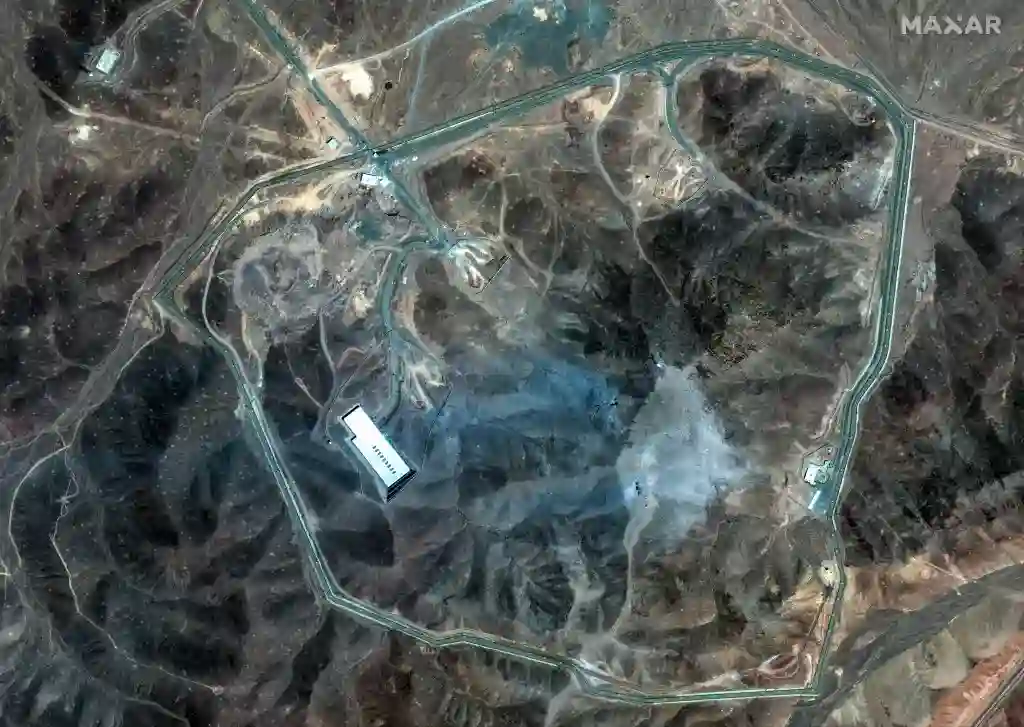
Satellite Reconnaissance Confirms Massive Structural Damage
Post-strike satellite imagery revealed extensive surface and sub-surface destruction. At Isfahan, high-resolution shots showed numerous craters from the Tomahawk salvo, while Fordow and Natanz appeared pocked with the deep impact marks consistent with bunker-busting bombs. Caine emphasized that battle damage assessments (BDA) indicate the facilities were “severely damaged or destroyed.”
White House officials, alongside Israeli defense representatives, have claimed the attack set back Iran’s nuclear weapons development by years, aligning with long-standing efforts to deter enrichment progress beyond peaceful thresholds. However, nuclear proliferation experts have raised critical counterpoints.
Debate Over the Strategic Impact
Some analysts argue that while the physical infrastructure suffered, the actual stockpiles of near-weapons-grade uranium remain unaccounted for, making it difficult to assess how long Tehran’s weapons capability has truly been delayed. Preliminary intelligence reviews, according to unnamed defense sources, suggest the setback may last only months, rather than years as publicly claimed.
Moreover, these strikes may have inadvertently solidified Iran’s resolve to accelerate its nuclear ambitions. By hitting sovereign sites, the operation may have shifted Tehran’s internal calculus toward weaponization rather than deterrence. Human intelligence reportedly played a role in confirming strike outcomes, but granular details of the operation’s intelligence footprint remain classified.
Strategic and Political Ramifications
Trump’s decision to publicly acknowledge the use of the F-35 and F-22, both top-tier stealth fighters, carries major geopolitical implications. It signals a technological show of force to adversaries like Russia and China, who have invested heavily in their own fifth-generation programs. The US operation demonstrates that these platforms are not only operational but also combat-tested in high-risk, real-world environments.
It also raises important questions about military transparency and operational security. Traditionally, such disclosures occur months or years after a mission is concluded. Trump’s immediate public briefing—while politically strategic—may place operational tactics at risk, especially if adversaries use the information to refine radar tracking or develop counter-stealth measures.
Looking Ahead: The Evolution of Stealth Warfare
Operation Midnight Hammer will likely be studied for years as a benchmark in joint-force strike doctrine, stealth warfare, and long-range power projection. The seamless integration of legacy airframes, cutting-edge fifth-generation fighters, and naval strike elements showcases a modern war machine capable of surgical destruction with minimal collateral exposure.
The operation may also provide valuable feedback for the beleaguered F-35 program, potentially silencing critics by highlighting its indispensable role in deep-penetration missions. As geopolitical tensions simmer across multiple theaters—from the South China Sea to Eastern Europe—the demonstration of American air superiority sends a clear message.
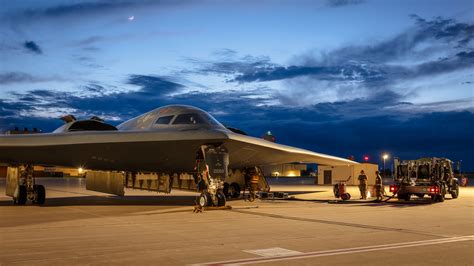
In the end, while the B-2 Spirit stole headlines with its 30,000-pound ordnance payloads, it was the silent flight of the F-35 and F-22—cutting through the darkness, neutralizing defenses, and clearing the path—that defined the spearpoint of American military doctrine in this new era of stealth-enabled conflict.