In a mission that redefined strategic precision and stealth warfare, Operation Midnight Hammer—the largest deployment of B-2 stealth bombers in U.S. military history—successfully struck three fortified Iranian nuclear facilities. According to retired Gen. Robert Spalding, a former B-2 pilot and senior director at the National Security Council, this mission was the result of over a decade of covert planning, deception, and technological evolution.
The Genesis of a Precision Strike Decade in the Making
When news broke of the audacious 30-hour mission conducted by the U.S. Air Force, few understood the extensive strategic buildup behind it. Gen. Spalding, who helped develop the original mission blueprint, disclosed that preparations began nearly ten years ago, involving highly classified simulations, stealth technology enhancements, and weapons systems development.
“We weren’t just preparing for a strike,” Spalding said. “We were building an entire ecosystem of deception, redundancy, and stealth, all tailored to neutralize Iran’s most hardened underground nuclear facilities.”
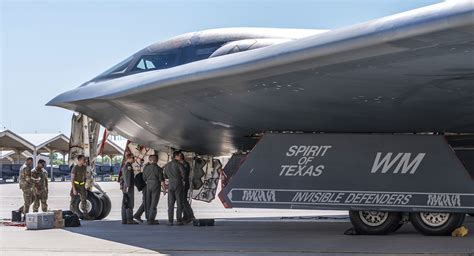
The decision to strike was not taken lightly. U.S. intelligence agencies had monitored Iran’s expanding nuclear infrastructure for years, particularly facilities suspected to house uranium enrichment centrifuges and weaponization research. Over time, bunker-busting technologies and long-range operational capabilities were refined, tested, and embedded into America’s stealth bomber fleet.
B-2 Spirit: Engineering Invisibility at Strategic Depth
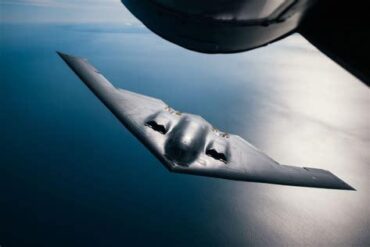
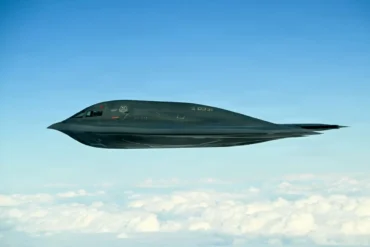
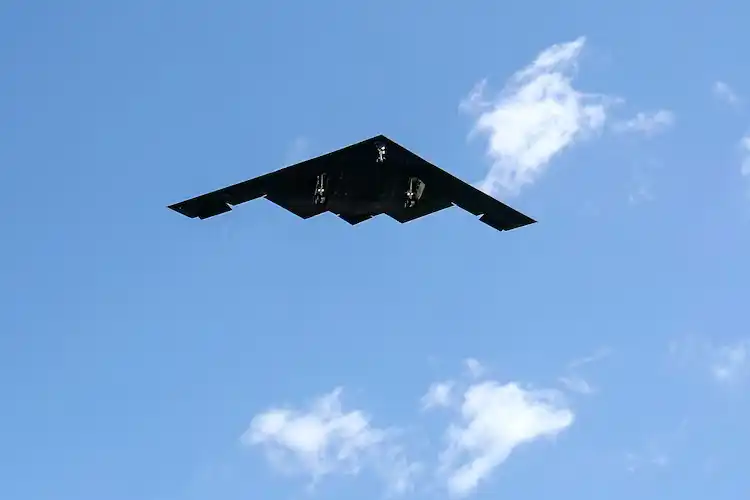
The B-2 Spirit, with its iconic flying wing configuration, was the cornerstone of the mission. Its design, which eliminates a conventional tail and fuselage, gives it a low radar cross-section, effectively allowing it to slip past even advanced air defense systems.
Spalding emphasized, “The B-2 is more than just a bomber. It’s a flying ghost—imperceptible to radar, adaptable in flight, and lethal beyond comparison.”
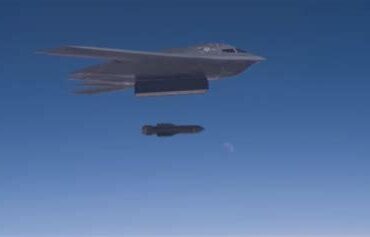
Equipped with two cavernous internal bomb bays, the B-2s in Operation Midnight Hammer carried the 30,000-pound GBU-57A/B Massive Ordnance Penetrator (MOP)—the most powerful non-nuclear bunker-buster in the U.S. arsenal. These bombs are engineered to plunge through up to 200 feet of reinforced concrete and steel, obliterating even deeply buried nuclear components.
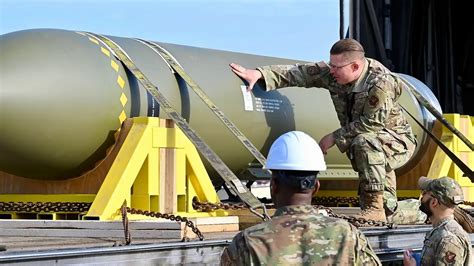
Stealth Meets Subterfuge: A Masterclass in Modern Deception
The most critical component of the operation was secrecy. In today’s hyper-connected world, the risk of exposure is magnified not only by traditional espionage but also by civilian flight-tracking apps, satellite imagery, and social media chatter.
“We had to consider everything from Twitter posts to air traffic anomalies,” Spalding explained. To mislead potential observers, a fleet of decoy B-2 bombers was flown to Guam, drawing the attention of Iranian and international intelligence.
“The key was to look like we were preparing for a show of force somewhere else, not a real strike deep inside Iran.”
This web of deception included altered transponder signals, misdirection via naval deployments, and carefully staged aerial refueling routes to create non-linear flight paths, making it nearly impossible for even seasoned observers to predict the actual strike trajectory.
Endurance in the Sky: The 30-Hour Flight Challenge
Operation Midnight Hammer tested not only hardware but human endurance. The round-trip sortie, clocking in at approximately 30 continuous flight hours, required the B-2 crews to perform six to seven midair refuelings using KC-135 Stratotankers. Each refueling took about 30 minutes and required extreme precision at high altitudes.
“There’s no autopilot for aerial refueling. It’s all manual, and at those speeds and altitudes, it’s a white-knuckle experience every time,” Spalding noted.
Pilots underwent a regimented pre-mission protocol involving tailored diets, hydration schedules, and sleep rotations, monitored by embedded flight medical personnel and AI-driven fatigue detection systems onboard.
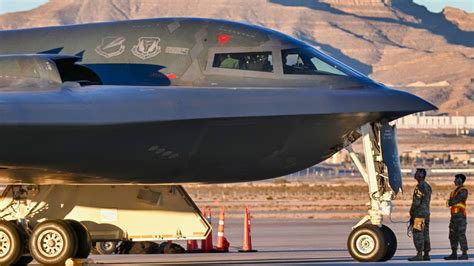
Target Profile: Iran’s Nuclear Triangle
The mission focused on three primary nuclear facilities, each selected for its strategic importance and hardened protection. Though Pentagon sources declined to specify exact locations, military analysts have long identified Fordow, Natanz, and Arak as critical nodes in Iran’s nuclear ambitions.
Each site posed unique threats:
- Fordow: Buried deep beneath a mountain, fortified to withstand conventional airstrikes.
- Natanz: Iran’s main enrichment site with hundreds of advanced centrifuges.
- Arak: A heavy-water facility suspected of supporting weapons-grade plutonium production.
According to post-strike analysis, damage assessments confirmed near-complete neutralization of operational capabilities at all three sites. Satellite imagery revealed collapsed subterranean chambers, twisted steel supports, and total communications blackouts—indicators of successful bunker penetration.
The Israeli Hand: Softening the Defenses
While the U.S. executed the final blow, Spalding acknowledged the strategic assistance of Israeli forces, who weeks earlier had conducted covert drone operations and cyber interference campaigns. These actions disrupted key elements of Iran’s integrated air defense systems, reducing the risk of early detection.
“It was a coordinated ballet of silence and steel,” Spalding said. “Without their efforts, we may not have even gotten close.”
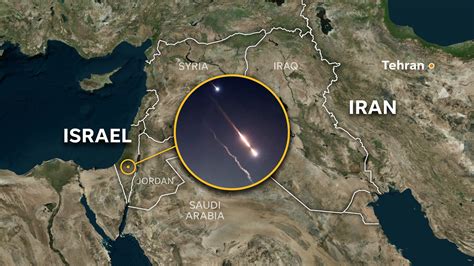
The Political Aftermath: Trump Declares Victory
Shortly after the mission concluded, former President Donald Trump, who had ordered the strike, declared it a “very successful operation” on his Truth Social platform. White House aides reported that Trump had been briefed continuously during the operation and approved the final go order just hours before the bombers entered Iranian airspace.
The Pentagon reinforced the administration’s message: the strikes were preemptive measures intended to deter Iran from acquiring nuclear weapons capability, not a declaration of war.
International reactions were mixed. European allies called for restraint, while Iran vowed revenge but has yet to respond militarily. In the U.S., congressional leaders across both parties expressed cautious approval, citing the threat of nuclear proliferation.
Strategic Implications: A New Model for Stealth Deterrence
Operation Midnight Hammer sets a new precedent in modern warfare. Unlike traditional conflicts, it demonstrated the ability of a small, stealthy force to deliver surgical, devastating blows to heavily fortified targets—without leaving a trace until the mission is over.
“This wasn’t just about Iran. It was a message to every nation developing hardened underground threats,” Spalding emphasized. “It proves we can reach anywhere, anytime.”
Military strategists now cite Operation Midnight Hammer as a case study in how multi-domain integration—air, cyber, space, and human intelligence—can fuse into decisive, unstoppable action.
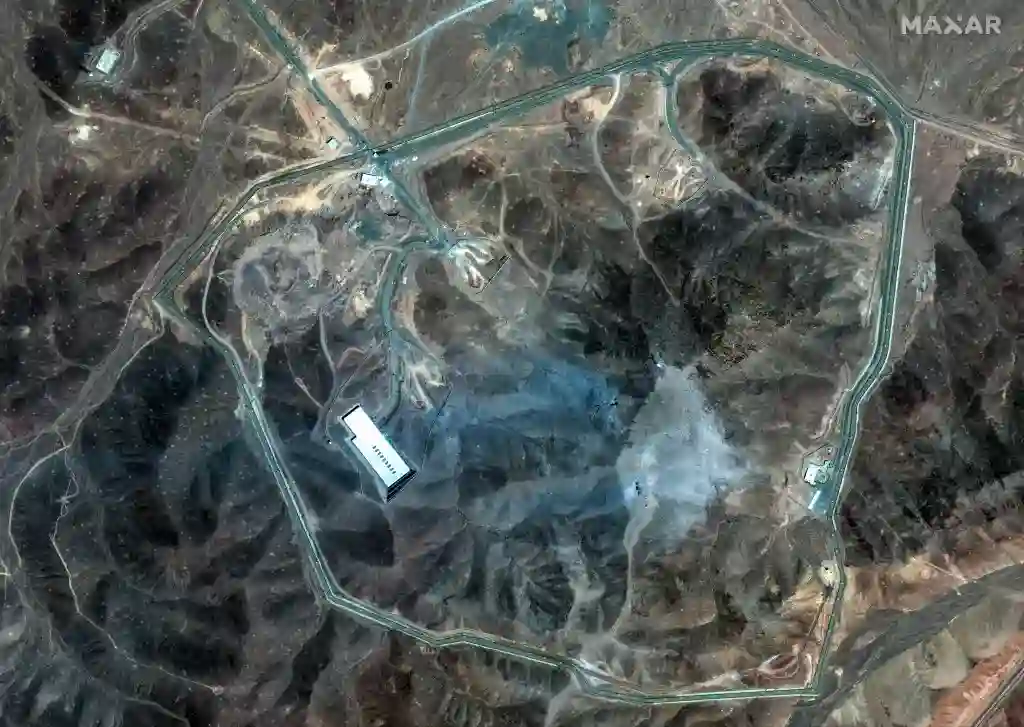
Conclusion: The Silent Thunder of American Precision
From the shadows of classified bunkers to the skies above hostile territory, the B-2 mission against Iran’s nuclear facilities reflects the culmination of strategy, stealth, and surgical might. It wasn’t just about hardware or heroism—it was about outthinking and outmaneuvering a determined adversary in the most challenging operational environment imaginable.
As General Spalding remarked, “This mission was proof of what’s possible when preparation meets precision—and when silence is the deadliest weapon of all.”