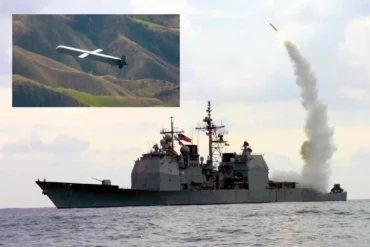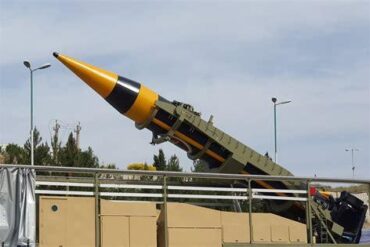
Operation Epic Fury erupted into motion at 1:15 a.m. EST on February 28, 2026, marking one of the most concentrated displays of American airpower since the invasion of Iraq in 2003. Within hours, the skies over Iran were saturated with stealth bombers, fifth-generation fighters, electronic warfare platforms, reconnaissance aircraft, and aerial tankers operating in seamless orchestration. According to US Central Command, more than 1,000 targets were struck in the opening phase alone, reshaping Iran’s military infrastructure and eliminating high-value leadership targets, including Ayatollah Ali Khamenei.
The campaign is not a simple barrage of bombs. It is a meticulously layered air operation integrating assets from the US Air Force, Navy, and Marine Corps. Aircraft launch from forward bases across the Middle East, from carriers in contested waters, and even from US soil itself. Prince Sultan Air Base in Saudi Arabia and Al-Udeid Air Base in Qatar have functioned as critical hubs. Diego Garcia, once politically contested, now hosts heavy bombers executing marathon missions.
The scale is staggering. Fighter squadrons rotate continuously. Tankers weave invisible lifelines across the region. Electronic warfare aircraft blind radar networks while airborne command posts stitch the battlespace together in real time. This is air dominance expressed not in slogans but in synchronized machinery.
Stealth Bombers: The B-2 Spirit’s 40-Hour Hammer Blow
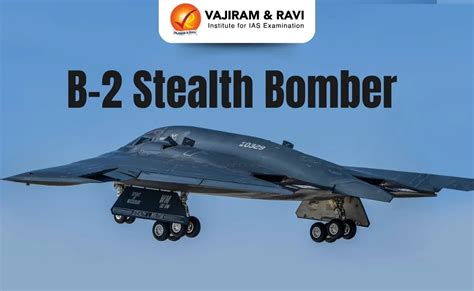
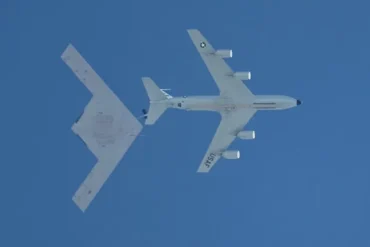
At the pinnacle of the strike package sits the Northrop Grumman B-2A Spirit. These flying wings launched from the continental United States on 40-hour round-trip missions, refueled repeatedly in midair to sustain their intercontinental reach. Each bomber carried 2,000-pound precision-guided munitions engineered to penetrate hardened bunkers and subterranean missile complexes.
The B-2’s defining advantage is its low observable design. Radar cross-sections are minimized through shape and specialized coatings, allowing it to slip through integrated air defense systems. In Operation Epic Fury, these bombers focused on deeply buried ballistic missile installations and nuclear-related facilities—targets too fortified for lighter strike aircraft. Their presence signals a strategic message as much as a tactical one: nowhere is unreachable.
Fifth-Generation Fighters: F-22 And F-35 Dominate The Battlespace
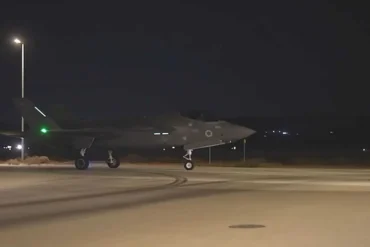
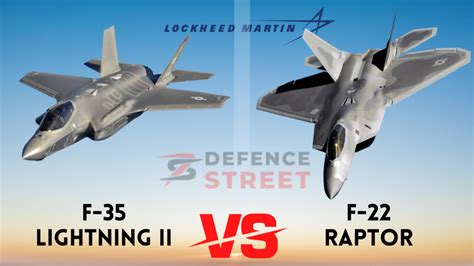
If the B-2 is the sledgehammer, the F-22A Raptor and F-35 Lightning II variants are the scalpels. The F-22’s expeditionary deployment to Ovda Air Base in Israel marked a historic shift. Designed for air superiority, the Raptor combines stealth, supercruise capability, and advanced sensor fusion. It clears hostile fighters from contested airspace before they can threaten allied aircraft.
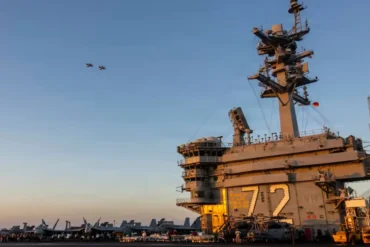
The F-35A and carrier-based F-35C expand the envelope further. These jets function as flying data nodes, collecting and distributing targeting information across the force. Sensor fusion—integrating radar, infrared search and track, and electronic intelligence into a single cockpit display—reduces pilot workload while increasing lethality. From the decks of the USS Gerald R. Ford and USS Abraham Lincoln, F-35Cs launch into dense threat environments with the advantage of stealth and networked awareness.
Carrier Strike Power: Super Hornets And Naval Air Reach
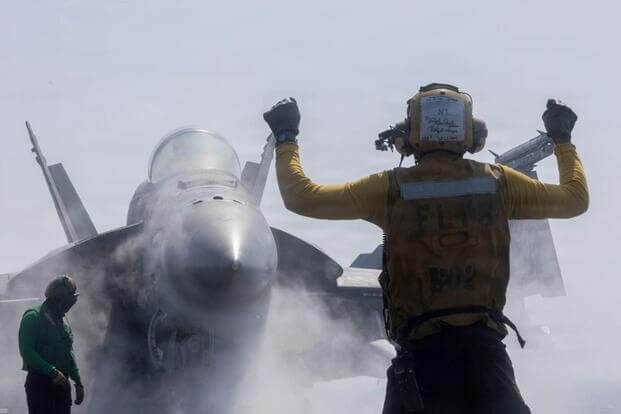
The Boeing F/A-18E/F Super Hornet remains a backbone of naval aviation. Multirole by design, it executes air-to-air engagements, close air support, and deep strike missions with equal competence. Carrier strike groups positioned in strategic waters allow sustained operations independent of regional basing politics.
Naval aviation extends beyond fighters. The E-2D Advanced Hawkeye provides airborne early warning and control, using powerful radar to track airborne and maritime threats over vast distances.
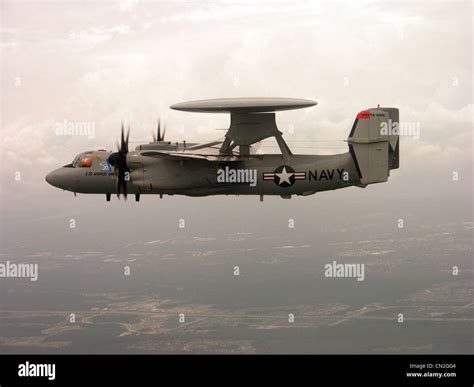
Meanwhile, the P-8A Poseidon conducts maritime patrol and anti-submarine warfare, ensuring Iranian naval movements are monitored continuously.
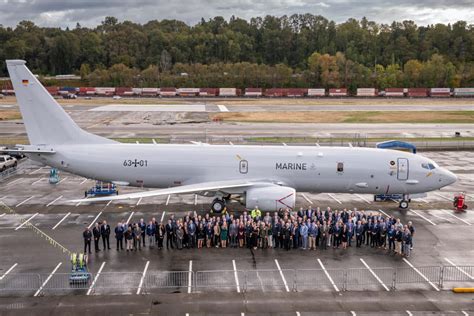
Electronic Warfare And Battlefield Control
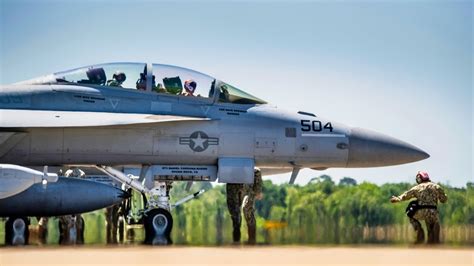
Modern war hinges on information dominance. The EA-18G Growler specializes in electronic attack, jamming enemy radar and communications to degrade Iran’s ability to coordinate defenses. By emitting powerful electronic signals, it creates pockets of confusion in the electromagnetic spectrum, allowing strike aircraft to penetrate more safely.
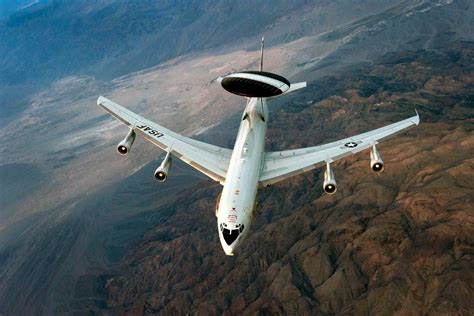
Complementing this effort, the E-3G Sentry AWACS aircraft serves as an airborne command post. From high altitude, its rotating radar dome tracks aircraft, missiles, and drones across hundreds of miles.
The RC-135V/W Rivet Joint gathers signals intelligence, intercepting communications and radar emissions to map the electronic order of battle in real time.
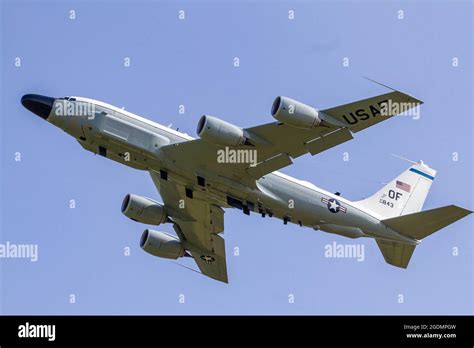
Legacy Fighters And Precision Strike Platforms
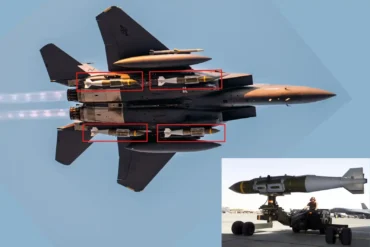
While stealth aircraft capture headlines, fourth-generation workhorses remain indispensable. The F-15E Strike Eagle, built for deep interdiction, carries heavy ordnance loads with long range. The F-16C/D Fighting Falcon delivers multirole flexibility from forward bases.
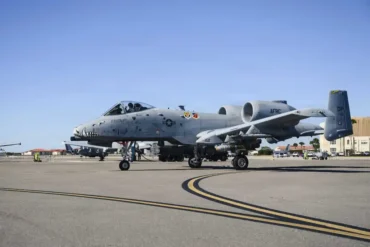
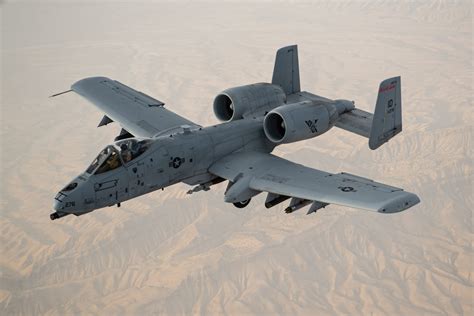
The A-10C Thunderbolt II, purpose-built for close air support, loiters low and slow when ground forces require precise firepower.
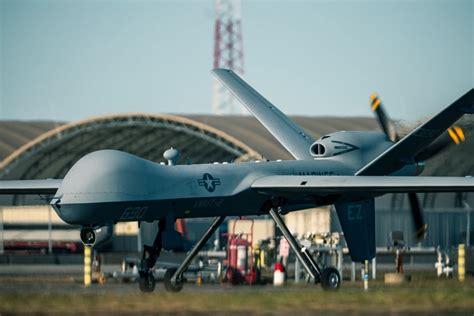
Operation Epic Fury also leverages unmanned systems. The MQ-9A Reaper conducts surveillance and targeted strikes with endurance measured in dozens of hours.
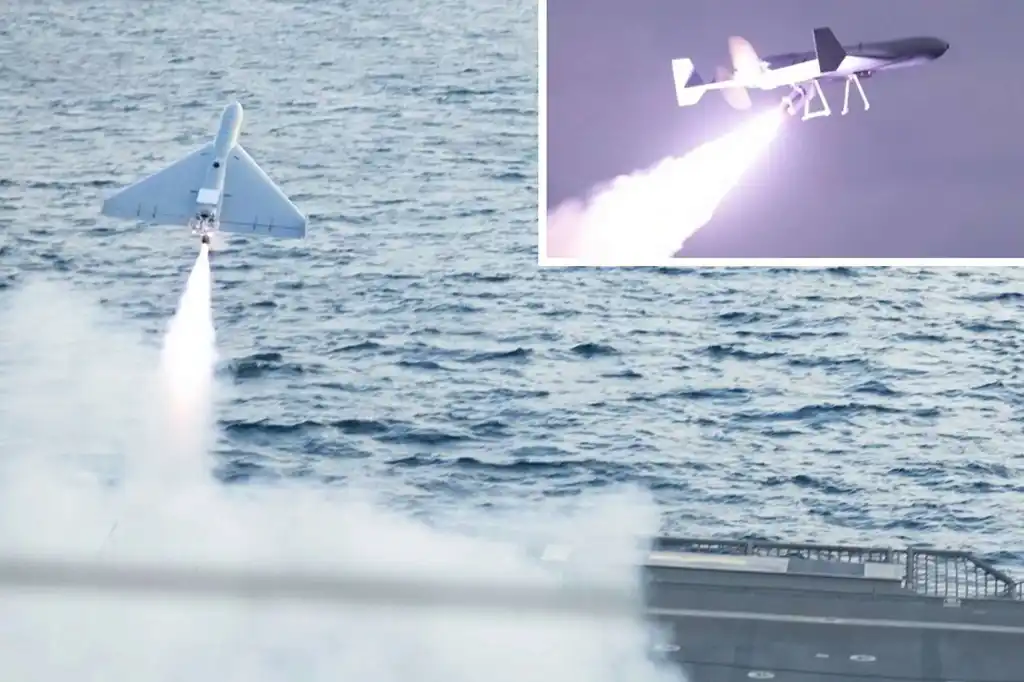
The SpektreWorks LUCAS one-way attack drone represents a newer class of expendable precision weapon, blending drone technology with guided munition capability.
Aerial Refueling And Strategic Mobility
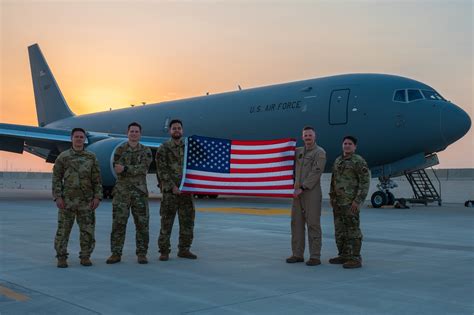
Sustained air campaigns collapse without logistics. KC-46A Pegasus and KC-135 Stratotanker aircraft refuel fighters and bombers midair, effectively stretching operational range indefinitely. The Marine Corps’ KC-130J Super Hercules fulfills similar roles while also transporting personnel and cargo.
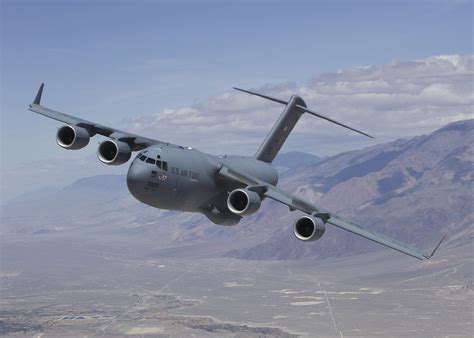
The C-17 Globemaster III underpins strategic lift. It moves troops, equipment, and humanitarian supplies across continents, reinforcing forward bases and responding to emerging contingencies.
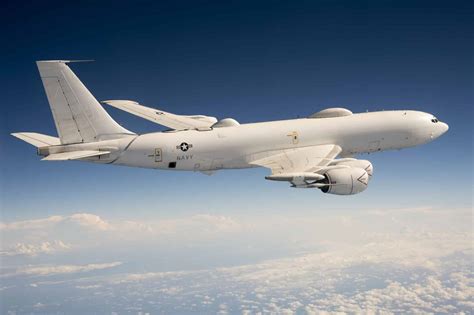
The E-6B Mercury ensures resilient communications with strategic forces, preserving command links even in degraded environments.
Human Costs And Operational Friction
Despite overwhelming force, warfare resists tidy narratives. Iranian missile and drone strikes penetrated defenses, hitting a US Navy installation in Bahrain and causing casualties. A tragic friendly fire incident downed three F-15E Strike Eagles over Kuwait, though all six crew members were recovered. These events underscore the complexity of modern combat, where high-technology systems coexist with human error and unpredictable retaliation.
Civilian casualties have mounted. Iranian sources report hundreds of deaths, with independent organizations offering higher estimates. The scale of destruction to infrastructure and the regional ripple effects introduce strategic uncertainties that extend far beyond the immediate air campaign.
Air Dominance Redefined
Operation Epic Fury represents more than a strike series. It is a demonstration of integrated, multi-domain airpower at peak intensity. Stealth bombers from American soil, carrier-based fighters in contested seas, electronic warfare platforms bending the electromagnetic spectrum, and tankers sustaining a continuous aerial conveyor belt—this is the architecture of modern US military reach.
The aircraft involved form a layered ecosystem rather than isolated tools. Each platform enhances the others, compressing decision cycles and amplifying lethality. In the skies above Iran, the United States has assembled not merely an arsenal, but a synchronized machine of air dominance designed to project power with precision, persistence, and overwhelming force.