The Middle East entered a volatile new phase on February 28, 2026, as the United States and Israel launched Operation Epic Fury, a coordinated multi-domain strike campaign aimed at Iran’s nuclear infrastructure and ballistic missile arsenal. The operation followed confirmed missile launches from Iranian territory toward Israel earlier that day, prompting a rapid allied response that moved beyond symbolic retaliation and into structured strategic suppression.
According to defense officials, the campaign is designed not as a limited punitive action but as a systematic effort to degrade the architecture underpinning Tehran’s long-range strike capability and its advancing uranium enrichment program. The transition from diplomatic deadlock to kinetic execution underscores how close the region had come to a breaking point. With nuclear negotiations stalled and enrichment levels rising, allied planners appear to have activated contingency strike packages linked to specific escalation triggers.
Rather than focusing solely on missile launch sites, Operation Epic Fury reportedly targets command-and-control nodes, hardened storage bunkers, air defense systems, enrichment complexes, and facilities tied to centrifuge production. The breadth of the target list signals a deliberate attempt to fracture Iran’s deterrence model at multiple structural levels simultaneously.
Multi-Domain Precision Strikes Against Iran’s Missile Cycle
At the operational level, the first line of effort centers on dismantling Iran’s ballistic missile employment cycle. This cycle includes detection, targeting authorization, launch coordination, and post-launch dispersal—much of it managed by the Islamic Revolutionary Guard Corps Aerospace Force. By attacking each phase of this chain, allied forces aim to disrupt not just individual missiles but the system that enables sustained launches.
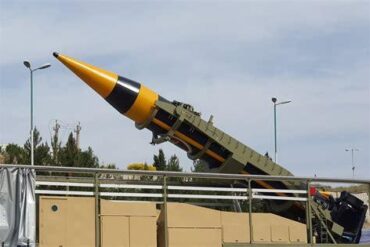
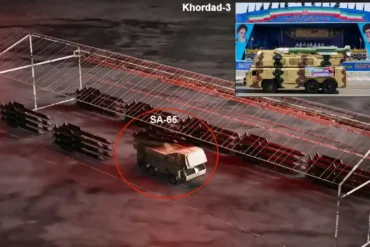
Mobile transporter-erector-launchers (TELs) are likely high-priority targets. These platforms provide Iran with survivability through mobility, allowing missile batteries to relocate quickly after firing. Destroying or disabling TELs reduces Iran’s ability to conduct follow-on salvos. Fixed launch complexes, underground storage depots, and fiber-linked communications nodes are also critical vulnerabilities. Without secure communications and coordinated command, missile brigades lose synchronization and effectiveness.
Integrated air defense batteries shielding strategic assets present another key objective. Suppression of enemy air defenses enables deeper penetration against hardened facilities. Electronic warfare assets and cyber capabilities are believed to have played a role in degrading radar coverage and communications during the opening wave, creating temporary windows for precision strikes.
Targeting Iran’s Nuclear Development Layers
Simultaneously, Operation Epic Fury extends into Iran’s nuclear development ecosystem, targeting enrichment and support facilities that could enable weaponization. This includes underground centrifuge halls, centrifuge assembly workshops, research laboratories associated with advanced enrichment processes, and storage sites for fissile material.
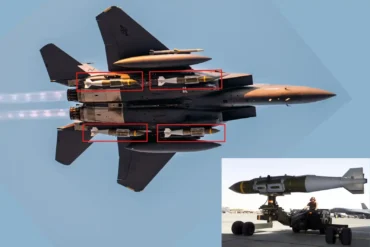
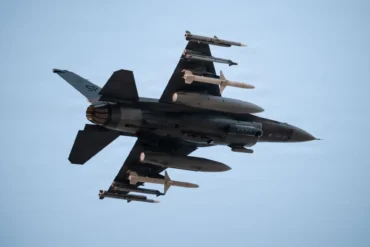
Many of these facilities are reinforced with thick concrete and, in some cases, buried deep underground. Neutralizing them requires specialized deep-penetration precision munitions, likely delivered by long-range strike aircraft or stand-off cruise missiles. The technical challenge is significant: destroying surface infrastructure is far simpler than collapsing subterranean chambers designed to survive conventional bombardment.
By attacking both missile forces and nuclear support networks in parallel, allied planners appear to be pursuing a strategic objective: extending Iran’s nuclear breakout timeline while simultaneously reducing its immediate strike capacity. A degraded enrichment pipeline limits Tehran’s ability to accumulate weapons-grade material, while damaged missile infrastructure reduces the credibility of rapid retaliation.
Israeli Operational Role and Intelligence Integration
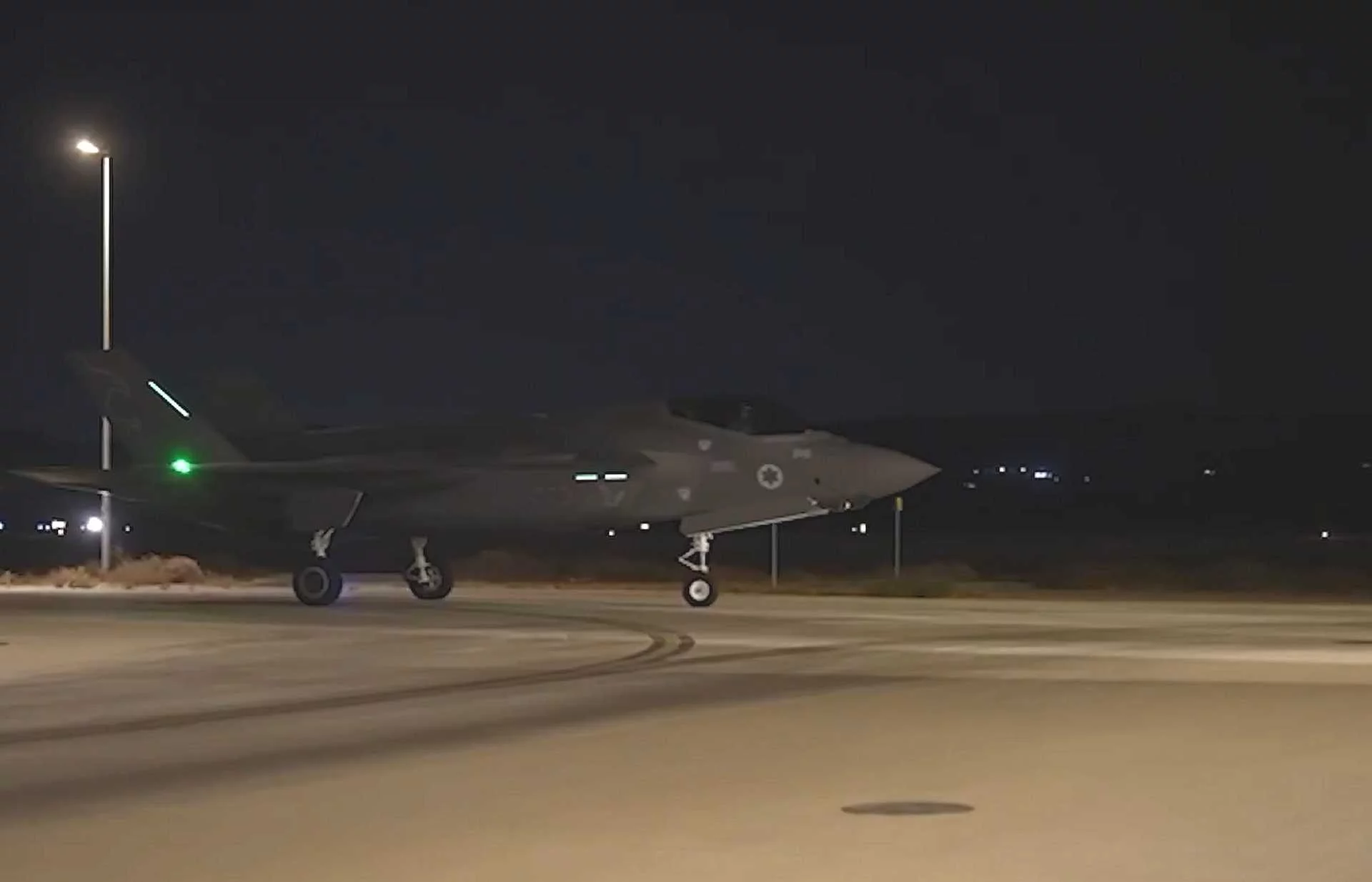
Israel’s geographic proximity to Iran grants it a central operational role. The Israeli Air Force, including the F-35I Adir stealth fighter, provides deep-penetration capability against defended targets. Israeli intelligence services maintain extensive targeting databases covering western and central Iran, where key missile brigades and nuclear-related facilities are located.
Persistent surveillance through airborne early warning platforms, long-endurance unmanned systems, and signals intelligence networks likely contributed real-time targeting updates. Mobile missile units present fleeting opportunities; accurate and timely intelligence is essential to strike them before relocation.
Operational coordination between Israel and the United States reflects years of joint exercises emphasizing integrated air defense, distributed targeting, and suppression of advanced surface-to-air systems. The seamless alignment visible in Operation Epic Fury suggests pre-planned contingencies were activated once escalation thresholds were crossed.
U.S. Strategic Depth and Long-Range Strike Capability
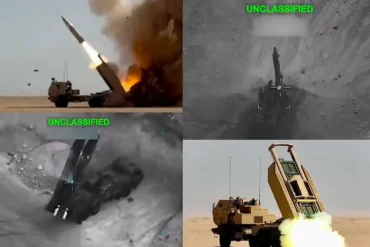
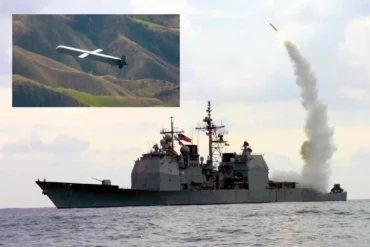
The United States contributes strategic reach and specialized munitions required for hardened nuclear targets. Carrier strike groups in regional waters, guided-missile submarines, and surface combatants equipped with long-range cruise missiles expand the battlespace. These platforms allow stand-off strikes from outside dense air defense zones.
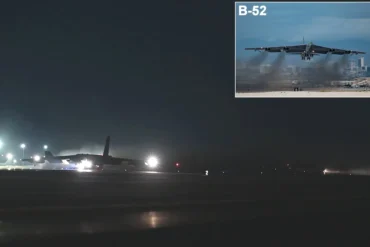
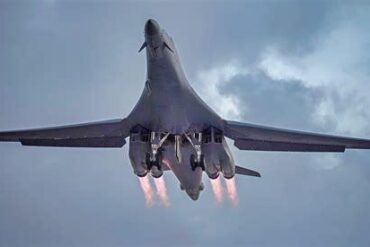
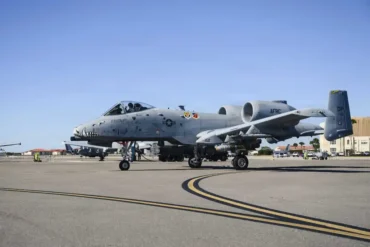
Long-range bombers equipped with advanced bunker-penetrating ordnance provide unique capability against reinforced enrichment facilities and subterranean command centers. Space-based intelligence assets enhance situational awareness, while cyber units may have targeted facility communications and logistical networks to compound kinetic effects.
This layered approach demonstrates a shift from reactive deterrence signaling to active infrastructure degradation. Rather than merely intercepting missiles or issuing warnings, allied forces appear intent on reshaping Iran’s strategic calculus by reducing the tangible tools of escalation.
Strategic Context: Collapse of Diplomacy and Escalation Triggers
Operation Epic Fury follows the breakdown of high-level negotiations intended to cap uranium enrichment levels and restrict advanced centrifuge deployment. Talks reportedly failed to produce verifiable limits preventing Iran from approaching nuclear breakout capability—the point at which sufficient fissile material for a weapon can be produced within a short timeframe.
Defense officials had indicated that absent enforceable constraints, military options would remain on the table. The speed with which strikes followed Iran’s missile launches suggests that contingency planning had already defined specific triggers. Confirmed missile attacks and intelligence assessments regarding nuclear acceleration appear to have crossed those thresholds.
This sequence signals a broader strategic message: missile aggression coupled with nuclear advancement would not be tolerated as separate tracks. By addressing both domains simultaneously, Washington and Jerusalem aim to deny Tehran the leverage that comes from combining conventional missile mass with nuclear threshold positioning.
Regional Implications and Deterrence Dynamics
Iran maintains one of the Middle East’s largest ballistic missile inventories, capable of reaching Israel, Gulf states, and U.S. installations in Iraq and Syria. Its doctrine emphasizes saturation tactics intended to overwhelm missile defenses through volume and timing. Even with advanced interception systems such as Arrow, David’s Sling, Patriot, and Aegis, sustained salvos pose risk.
Missile defense alone, however, cannot neutralize the strategic implications of a potential nuclear-armed Iran. Offensive suppression of enrichment facilities therefore plays a central role in shaping long-term deterrence. If centrifuge production lines, enrichment cascades, and associated research nodes are significantly damaged, Iran’s breakout timeline could lengthen substantially.
Yet escalation pathways remain. Tehran retains asymmetric options, including proxy militia operations, cyber operations targeting infrastructure, and maritime disruption in the Strait of Hormuz. These tools allow calibrated responses designed to raise costs without triggering full-scale conventional confrontation.
Reshaping the Regional Security Environment
Operation Epic Fury represents more than a retaliatory strike; it is an attempt to recalibrate the regional balance of power by attacking the structural pillars of Iran’s deterrent posture. By degrading missile launch infrastructure and nuclear support facilities concurrently, allied forces seek to reduce immediate threat exposure while constraining long-term strategic advancement.
The effectiveness of the campaign will depend on the depth of damage inflicted on hardened sites and the resilience of Iran’s dispersed networks. Underground infrastructure and redundant systems may limit the extent of degradation. However, even partial disruption can complicate weaponization timelines and strain logistical capacity.
For regional actors, the operation reinforces a visible red line regarding nuclear proliferation. For Iran, it presents a strategic crossroads: absorb damage and recalibrate, escalate through indirect means, or accelerate reconstruction under intensified scrutiny.
The unfolding consequences of Operation Epic Fury will shape deterrence credibility, alliance cohesion, and nuclear non-proliferation dynamics across the Middle East. In targeting both missile backbone and nuclear infrastructure, the United States and Israel have signaled that the era of compartmentalized responses has ended, replaced by integrated suppression of intertwined strategic threats.