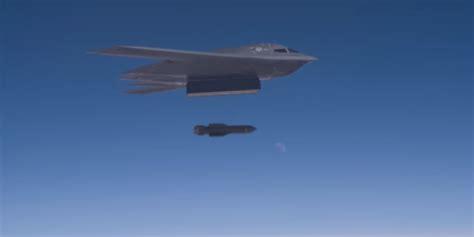
The world watched in awe as Operation Midnight Hammer unfolded, marking one of the most audacious and technologically advanced air campaigns in recent military history. At the heart of this precision strike were the legendary B-2 Spirit stealth bombers and the enormous GBU-57 Massive Ordnance Penetrators (MOPs), weapons specifically designed to dismantle the most hardened underground facilities. Their role in crippling Iran’s nuclear infrastructure has once again highlighted the irreplaceable value of stealth aviation and advanced munitions.
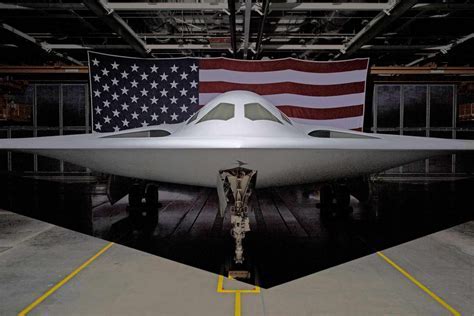
The Stealth Icon: Northrop Grumman’s B-2 Spirit
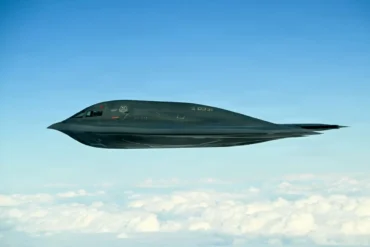
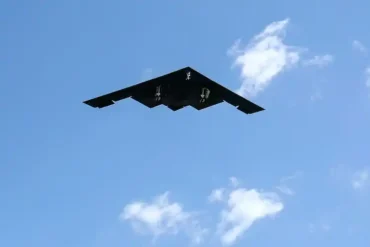
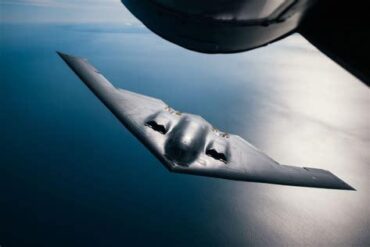
First unveiled to the public in the 1990s, the B-2 Spirit remains the pinnacle of stealth bomber technology. Developed by Northrop Grumman, this flying-wing design combines radar-evading capabilities with intercontinental range, enabling the U.S. Air Force to project power anywhere on the globe with minimal detection risk. Its unique shape, advanced composite materials, and sophisticated electronic warfare systems make the B-2 virtually invisible to most radar arrays.
The B-2, capable of carrying both conventional and nuclear payloads, is specifically engineered for deep penetration missions against heavily defended targets. It remains the only operational long-range stealth bomber in the American arsenal until the arrival of the upcoming B-21 Raider, which promises further advancements in survivability and precision.
In the recent strikes against Iran, seven B-2 bombers were launched from the continental United States. These aircraft executed a complex global mission, refueled multiple times in mid-air, with several flying west as a diversionary tactic while the operational formation approached Iran from the east.
The Target: Iran’s Nuclear Fortresses
The trigger for Operation Midnight Hammer came after escalating conflict between Israel and Iran. On June 13, Israel initiated strikes against Iranian nuclear facilities, prompting retaliatory missile attacks from Tehran. The United States, aligning with its ally and seeking to eliminate the nuclear threat, executed its precision operation days later.
Three major Iranian sites were targeted:
- Fordo Fuel Enrichment Plant: Buried deep beneath a mountain near Qom, this facility is shielded by hundreds of feet of rock and reinforced structures, making it one of the most challenging targets on Earth.
- Natanz Nuclear Complex: Central to Iran’s uranium enrichment, Natanz has been at the center of international scrutiny for years.
- Isfahan Nuclear Facility: A crucial site for Iran’s nuclear fuel cycle and weapon development research.
General Dan Caine, Chairman of the Joint Chiefs of Staff, revealed that preliminary damage assessments indicate severe destruction, particularly at Fordo, which many analysts believed to be nearly impregnable.
The Ultimate Bunker Buster: GBU-57 Massive Ordnance Penetrator
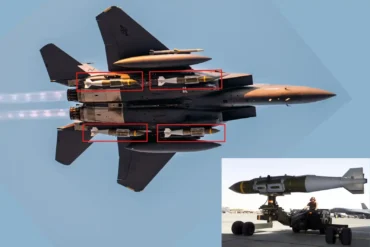
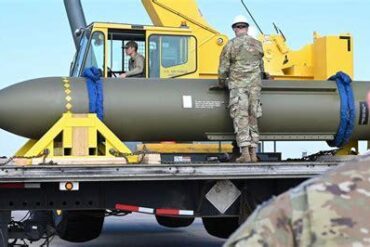
Key to breaching Fordo’s subterranean defenses were the formidable GBU-57A/B Massive Ordnance Penetrators (MOPs). Developed by Boeing, the MOP is a 30,000-pound precision-guided bomb engineered to penetrate hardened underground bunkers before detonating with devastating effect.
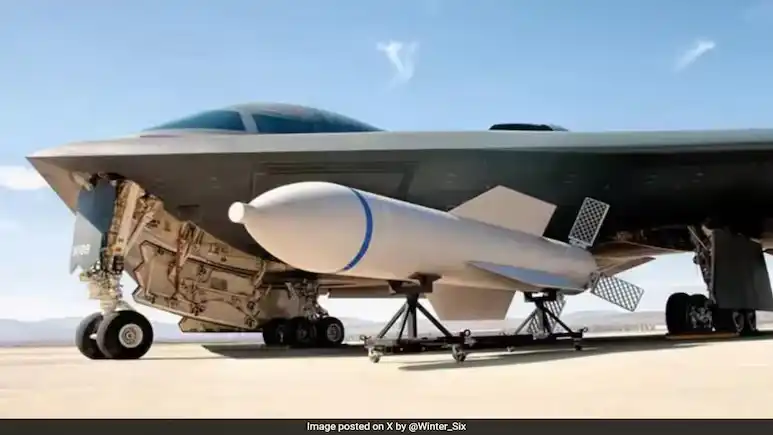
Originally conceived in the early 2000s and officially ordered in 2011, the GBU-57 represents the U.S. military’s most powerful conventional bunker-busting weapon. The MOP’s specifications underscore its extraordinary destructive capability:
- Weight: Approximately 30,000 lbs (13,600 kg)
- Length: Over 20 feet (6 meters)
- Penetration Depth: Estimated to burrow over 200 feet through reinforced concrete and rock before detonation
- Delivery Platform: Exclusively deployable by the B-2 Spirit bomber
Saturday’s operation marked the first confirmed combat use of the MOP. Fourteen of these bombs were dropped, most likely concentrated on the Fordo site, whose subterranean depth—estimated between 200 to 300 feet beneath solid rock—necessitated such extreme firepower.
Coordinated Air Power: The Broader U.S. Strike Package
Operation Midnight Hammer wasn’t solely reliant on stealth bombers. The U.S. deployed over 125 aircraft, including a combination of fourth and fifth-generation fighter jets, reconnaissance planes, and aerial refueling tankers.
Although specific fighter types were not officially disclosed, military analysts highlight the likely involvement of:
- Boeing F/A-18 Super Hornets: Representing the fourth-generation backbone of naval aviation.
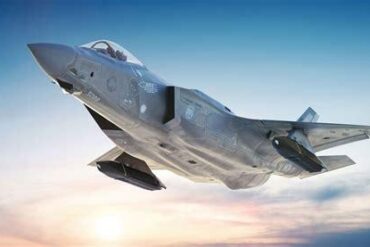
- Lockheed Martin F-35 Lightning II: A fifth-generation stealth multirole fighter known for its advanced sensor fusion and stealth characteristics.
- Tomahawk Cruise Missiles: Launched from U.S. Navy submarines, these precision-guided missiles targeted Isfahan’s facilities as part of a coordinated wave of attacks.
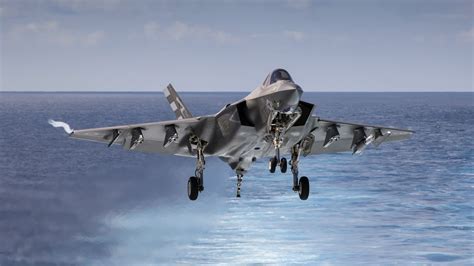
In total, the operation showcased the synergy between stealth bombers, fighters, electronic warfare, and maritime strike capabilities, reaffirming the U.S. military’s doctrine of joint operations and technological superiority.
Industry Giants Behind the Technology
The immense industrial and technological effort required for such a mission underscores the role of leading American defense contractors:
- Northrop Grumman (NOC): Manufacturer of the B-2 Spirit.
- Boeing (BA): Producer of the GBU-57 MOP and F/A-18 fighter jets.
- Lockheed Martin (LMT): Developer of the F-35 Lightning II.
- RTX (formerly Raytheon Technologies): Supplier of Tomahawk cruise missiles.
- Huntington Ingalls Industries & General Dynamics: Builders of submarines and naval platforms involved in the strike.
Beyond the tactical victory, the operation has implications for defense markets. As military tensions escalate, defense stocks often outperform broader markets, driven by renewed demand for advanced aircraft, munitions, and strategic platforms.
Political and Strategic Implications
U.S. Defense Secretary Pete Hegseth emphasized that Operation Midnight Hammer aimed solely to degrade Iran’s nuclear capabilities, not to initiate regime change. “This mission is not, was not, about regime change,” Hegseth stated, highlighting the precision-focused nature of the strikes.
Despite the damage inflicted, history reminds observers that such operations rarely bring swift conclusions. As Vertical Research Partners analyst Rob Stallard pointed out, Iran retains the ability to rebuild, rehire personnel, and restart nuclear development—unless the nation fundamentally alters its strategic calculus, as South Africa did when abandoning its nuclear program in 1989.
Capital Alpha Partners analyst Byron Callan echoed this caution, noting that conflicts often spiral unpredictably. The Iran-Iraq wars, America’s entanglements in the Middle East, and Russia’s invasion of Ukraine all serve as reminders that wars are easy to start, difficult to conclude, and prone to unforeseen escalation.
What Comes Next?
The world now awaits Tehran’s response. While Iranian troops were not targeted, the extensive damage to critical infrastructure represents a significant blow to Iran’s strategic ambitions. Whether this will deter further nuclear development or trigger a new phase of conflict remains uncertain.
What is clear is that Operation Midnight Hammer reaffirmed the United States’ capability to conduct global precision strikes, leveraging decades of investment in stealth, advanced munitions, and coordinated military power. The B-2 Spirit, with its unmatched combination of stealth and payload, alongside the devastating GBU-57 bunker busters, demonstrated that even the most fortified underground facilities are not beyond the reach of American airpower.
As geopolitical tensions simmer and military technology continues to evolve, the lessons from this high-stakes mission will shape the strategic calculations of nations for years to come.