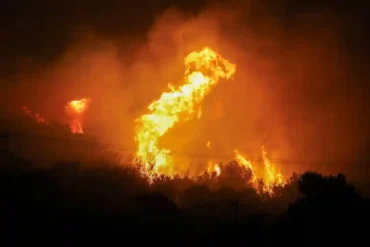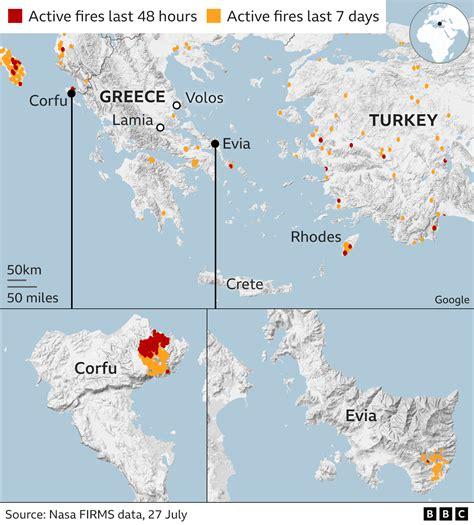
Greece is currently grappling with catastrophic wildfires that have intensified due to an unprecedented heatwave, leading to widespread evacuations across the country. Major blazes are raging in and around Athens, on the islands of Crete and Evia, as well as on Kythera. With temperatures soaring beyond 44°C (111°F), the situation has become dire, posing a significant threat to local communities and the vital tourism sector that sustains the Greek economy.
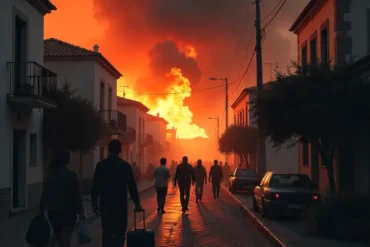
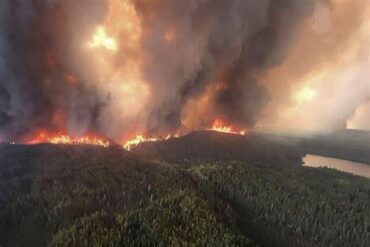
The fires have particularly affected the suburb of Kryoneri, located approximately 20 kilometers (12.5 miles) from Athens. Here, authorities issued urgent evacuation orders as flames rapidly engulfed houses and properties. Residents received multiple alerts via SMS, instructing them to flee to safer areas, highlighting the urgency of the crisis. Images captured during the event portray the extensive damage inflicted by the inferno, showcasing firefighters battling to contain the flames amidst rising smoke.
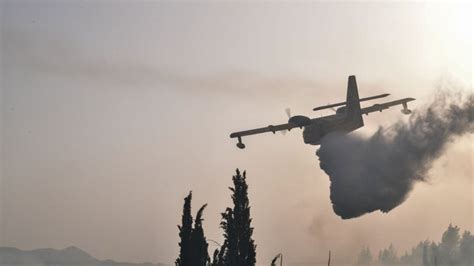
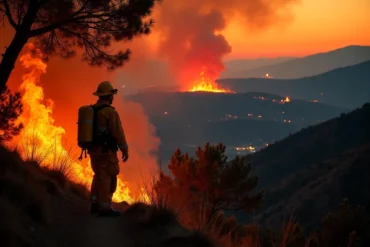
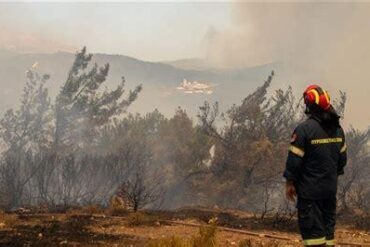
According to Vassilis Vathrakoyannis, a spokesperson for the Greek Fire Service, significant damage has been reported, although comprehensive assessments will only be possible once the fire is under control. Firefighting operations have been bolstered by 145 firefighters, supported by 44 fire trucks, and aerial assistance from planes and helicopters. Despite these efforts, the extreme heat, which has reached 38°C (100°F) or higher, combined with strong winds and dry conditions, has complicated the containment of the blazes. The forecast indicates that these extreme conditions are likely to persist, raising concerns about new fires igniting and existing ones expanding.
In addition to the emergency in Athens, the Greek Fire Service is confronting multiple wildfires across Crete, Evia, and Kythera. On Crete, fires have ravaged large tracts of forested land, prompting evacuations from both homes and hotels in popular tourist areas. Authorities have deployed at least 335 firefighters and 19 firefighting planes to combat the flames, though limited daylight hours for aerial operations hinder these efforts. Meanwhile, Kythera faces its own battle against the encroaching wildfire, with firefighting teams working tirelessly to prevent further damage.
The extent of the crisis is staggering, with 52 wildfires reported across Greece within a mere 24-hour period. This surge places immense pressure on the country’s firefighting resources, underscoring the urgency of the situation.
The wildfire crisis is significantly impacting tourism, an essential component of Greece’s economy. Popular destinations such as Crete, Athens, and Evia now face widespread evacuations and transport disruptions due to the fires. Numerous hotels and tourist accommodations have had to evacuate guests as flames threaten their premises. For British tourists planning to visit Greece, the situation remains critical. The Foreign, Commonwealth & Development Office (FCDO) has issued advisories urging travelers to exercise caution and stay informed through local updates from Greek authorities. The compromised air quality in some regions poses additional risks, prompting warnings for travelers to avoid affected areas whenever possible.
Local transportation services have also been severely impacted, with several roads closed due to the fires. Ferries and other water transport services on the islands of Crete, Evia, and Kythera have been suspended for safety reasons, compounding the difficulties faced by both locals and tourists. The ongoing disruptions have resulted in significant delays and cancellations, forcing many vacationers to seek alternative arrangements.
Travelers heading to Greece in the upcoming weeks should remain vigilant, particularly as the risk of wildfires persists alongside the ongoing heatwave. Some tourist attractions may be closed due to the fires, and access to natural parks and beaches, especially those near the affected areas, could be restricted.
In response to this overwhelming crisis, Greek officials have emphasized the necessity of international cooperation. The government has sought additional firefighting planes from the European Union’s Civil Protection Mechanism to bolster their efforts. Currently, over 500 personnel are engaged in combating the wildfires, supported by various air assets, including planes and helicopters. As temperatures continue to rise, the situation remains urgent, with authorities bracing for worsening conditions.
Wildfires have increasingly become a prevalent issue in Greece, with many regions experiencing destructive fires during the summer months. This current crisis underscores the ongoing challenges faced by the country in managing these devastating events, exacerbated by climate change and prolonged heatwaves. The immediate impact on local communities and infrastructure is profound, but the long-term repercussions could be equally damaging. Areas heavily reliant on tourism may suffer lasting effects as the landscape, including national parks and historic sites, is irrevocably altered.
As Greece prepares for potential further wildfires in the days ahead, the government remains vigilant, monitoring the situation closely while collaborating with European partners to mitigate damage and protect lives. Tourists are urged to stay informed, adhere to safety guidelines, and make necessary travel adjustments to steer clear of dangerous zones.
In conclusion, the wildfires raging across Greece, particularly in Athens, Crete, and Evia, have left a profound mark on local communities and the tourism sector. As the heatwave continues, the likelihood of further evacuations and travel disruptions increases. British tourists, in particular, are cautioned to remain alert and heed travel advisories as the situation evolves. While firefighting efforts persist, the challenges are substantial, and it is evident that more support and proactive measures will be essential to address this increasingly frequent natural disaster in Greece.