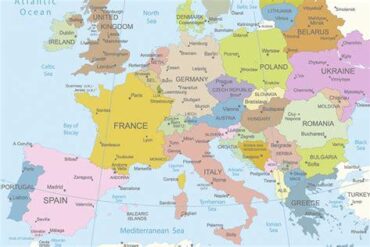
As global travelers increasingly pursue authentic, culture-rich experiences, emerging destinations in Central and Eastern Europe are rapidly gaining traction. A recent surge in air bookings and hospitality trends confirms this shift, with countries like Azerbaijan, Kazakhstan, and the Czech Republic making significant strides in attracting international visitors. While traditional European powerhouses remain dominant, a growing number of travelers are expanding their horizons to lesser-explored locales that promise a blend of cultural discovery, affordability, and scenic charm.
This travel evolution is thoroughly explored in the latest industry report, Travel Insights 2025: Focus on Europe, released by Amadeus in partnership with UN Tourism. Drawing from extensive data provided by the Amadeus Navigator360™ platform, the report reveals a layered picture of Europe’s evolving tourism landscape between May 2024 and April 2025. The findings underscore a notable trend: travelers are now increasingly seeking out destinations that offer unique experiences outside the traditional European circuit.
“Our research alongside UN Tourism has unearthed some fascinating results, with growth in air bookings particularly notable in destinations including Azerbaijan, Kazakhstan, and the Czech Republic. Destinations outside the usual core of western Europe are becoming more attractive, and this could reflect a diversification in traveler preferences or targeted regional marketing,” stated Javier Campo, VP of Commercial, Europe, Hospitality, Amadeus.

Azerbaijan Emerges as Europe’s Fastest Growing Destination
Among the 30 largest European destinations, Azerbaijan stood out with an extraordinary 26% rise in international air bookings compared to the previous year. This significant upswing highlights the country’s emergence as a compelling choice for curious travelers seeking destinations off the beaten path. Azerbaijan’s unique offerings include its rich Silk Road history, striking architecture, vibrant culinary scene, and captivating blend of Eastern and Western cultures. The capital city, Baku, with its futuristic skyline juxtaposed against ancient sites, is a testament to the nation’s dynamic evolution. Visitors are increasingly drawn to the opportunity to explore the Gobustan National Park, where ancient rock carvings tell the story of humankind’s early artistic endeavors, alongside the modern architectural marvel of the Heydar Aliyev Center designed by Zaha Hadid.
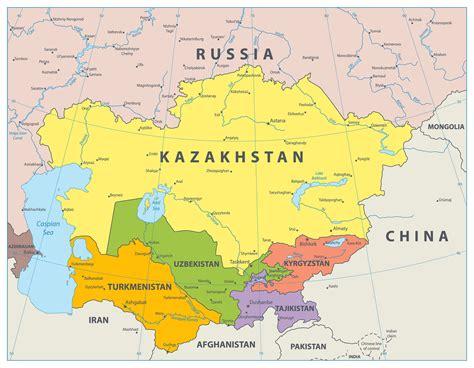
Meanwhile, Kazakhstan recorded a 7% growth in bookings, further cementing its position as a rising player in Central Asian tourism. Known for its vast steppe landscapes, nomadic heritage, and forward-looking cities like Almaty and Astana, Kazakhstan is tapping into the global demand for expansive nature-based experiences and cultural immersion. The country’s Charyn Canyon offers breathtaking views that rival the Grand Canyon, while the Medeu skating rink at high altitude attracts sports enthusiasts year-round.
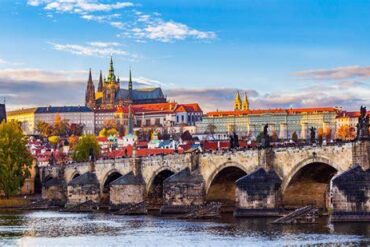
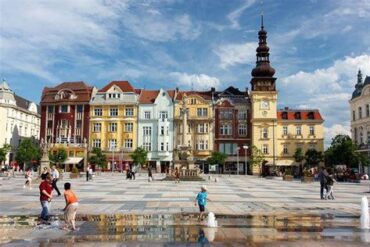
Similarly, the Czech Republic experienced a 6% growth in international air bookings during the same period. While Prague remains the country’s tourism magnet, secondary cities like Brno and countryside regions are beginning to benefit from broader exposure, drawing travelers seeking authenticity beyond the capital’s medieval charm. The picturesque town of Český Krumlov, with its stunning castle and winding river, is becoming a must-visit for those looking to escape the crowds.
Mainstay Destinations Maintain Their Hold
Despite the surge of interest in emerging destinations, the core European giants continue to dominate the travel market. Spain, the United Kingdom, Italy, France, and Germany led the top ten most booked European destinations for air travel between May 2024 and April 2025. Collectively, these top ten accounted for 70.9% of all bookings in Europe, demonstrating the enduring appeal of these iconic countries. When analyzing scheduled air capacity, Spain and the United Kingdom each contributed 12% to the total available airline seats to Europe during the one-year period. These figures underscore their roles not only as top travel destinations but also as critical aviation hubs connecting Europe with the rest of the world.
Hospitality Sector Reflects Positive Travel Sentiment
Europe’s hospitality landscape is also showing signs of consistent recovery and growth. In Western Europe—which includes major markets like France, Germany, and the Netherlands—hotel occupancy rose from an average of 67% in 2023–2024 to 68% in 2024–2025. This improvement, while modest, reflects a steady return of both leisure and business travelers. Furthermore, the Average Daily Rate (ADR) for accommodations in Western Europe grew from $198.32 to $204.24, indicating increased demand and a willingness among travelers to spend more for higher-value stays and premium experiences.

Northern Europe—comprising countries such as the United Kingdom, Ireland, Norway, Sweden, and Denmark—also saw a healthy boost in its hospitality metrics. Hotel occupancy climbed from 73% to 75% year-over-year, while ADR increased from $197.77 to $200.74. These figures suggest robust traveler confidence and consistent interest in the region’s mix of urban sophistication and natural beauty.
Aviation Data Signals Europe’s Ongoing Global Appeal
Air travel trends mirror the optimism seen across hospitality. From April to October 2025, international passenger traffic to Europe is projected to grow by 6.7% year-on-year. This statistic, based on forward-looking data from global air carriers, indicates a broad and continuing interest in European destinations despite economic headwinds and geopolitical uncertainties in some parts of the world. The sustained growth in inbound travel reflects Europe’s unique ability to offer a diverse array of experiences—from historical wonders and artistic capitals to remote villages and alpine retreats—appealing to both seasoned globetrotters and younger travelers seeking purpose-driven travel.
Driving Factors Behind the Shift Toward Emerging Europe
Several trends are driving this newfound interest in Central and Eastern European destinations:
- Affordability: Compared to Western Europe, destinations like Azerbaijan and Kazakhstan offer more budget-friendly travel options, making them especially appealing to value-conscious travelers.
- Cultural Authenticity: Today’s global tourists are more inclined to seek meaningful connections and immersive experiences. These destinations offer unfiltered access to traditions, festivals, crafts, and everyday local life.
- Untapped Nature: Countries like Kazakhstan boast expansive landscapes, from soaring mountains to serene lakes and endless steppe terrain, attracting nature lovers, hikers, and adventure seekers.
- Government-Led Promotion: National tourism boards are investing heavily in marketing and infrastructure to draw international visitors, supported by increasing air connectivity and simplified visa policies.
- Digital Discovery: With more travelers turning to social media, travel blogs, and digital booking platforms, under-the-radar locations are gaining newfound exposure and global visibility.
“Amadeus Navigator360™ data shows both traffic and capacity follow a familiar seasonal pattern, peaking in July and August, reflecting strong summer travel demand. Interestingly, for most of the timeline, capacity is consistently higher than actual passenger traffic, especially for the April–September 2025 period. This indicates that airlines are planning ahead of demand, perhaps anticipating continued growth or attempting to stimulate it. For DMOs, it may be worth considering initiatives that support year-round tourism development, particularly in the shoulder and off-peak seasons, to help better align with available airline capacity and smooth demand throughout the year,” noted Javier Campo.
Looking Ahead
As we move into the latter half of 2025 and beyond, Europe’s tourism sector appears primed for continued expansion—both in volume and diversity. While iconic destinations like France and Italy will always hold a special place in global travel, it’s the emerging stars of Central and Eastern Europe that are capturing the imaginations of a new generation of explorers. Tourism stakeholders would do well to recognize and support this evolving demand by promoting sustainable practices, preserving cultural heritage, and investing in infrastructure that can support responsible tourism growth. For travelers, the message is clear: Europe’s treasures extend far beyond its most famous landmarks, and now is the time to discover the hidden gems reshaping the continent’s travel map.