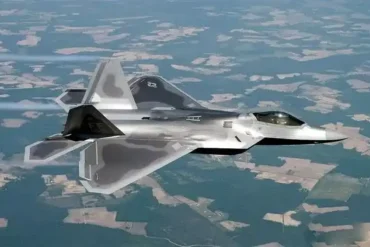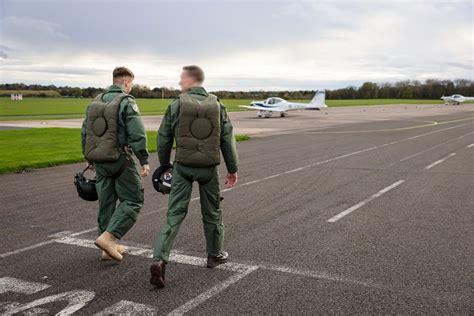
Ukrainian pilots will soon begin specialized training for F-16 fighter aircraft in the Czech Republic, marking a critical milestone in the intensifying military partnership between Kyiv and Prague. This initiative, officially confirmed by the Czech Ministry of Defence, reflects a broader commitment by NATO-aligned states to bolster Ukraine’s defensive capabilities against ongoing Russian aggression. With up to eight Ukrainian pilots participating in the program, this training operation is set to become a defining symbol of regional solidarity, innovation in military cooperation, and a testbed for integrating Eastern European defense resources with Western air combat platforms.
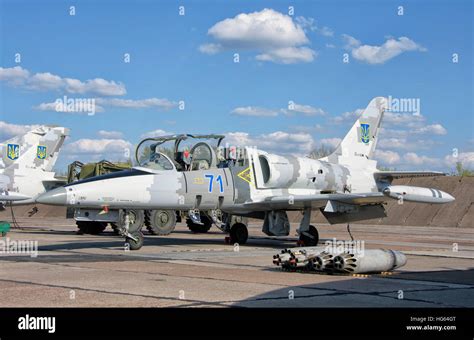
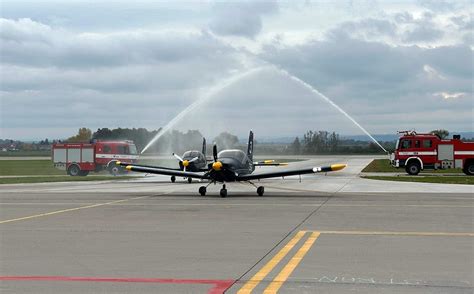
The Czech Army, through its defense enterprise LOM Praha, will deliver a comprehensive 150-hour training course to the selected Ukrainian aviators. Valued at approximately CZK 32 million (around USD 1.4 million), the program will include ground school, simulator sessions, and tactical air exercises using L-39 subsonic aircraft — a practical alternative given that the Czech military does not currently operate F-16s.
Strategic Relevance in the Context of the Russia-Ukraine Conflict
This training effort is far more than a technical aviation exercise. It represents a strategic signal to Moscow and a deepening of military integration between Ukraine and NATO-aligned countries. By facilitating the transfer of Western airpower know-how to Ukrainian forces, the Czech Republic is expanding its role from humanitarian aid provider to a frontline enabler of combat-readiness. The program ensures that Ukrainian pilots are ready not only to fly F-16s but to do so effectively in active conflict environments.
Czech Defence Minister Jana Černochová articulated the political weight of the mission, stating, “If Ukraine is to continue to defend itself effectively against Russian aggression, it needs not only military equipment but also well-trained armed forces, including air forces.” The message is clear: air superiority — or at least parity — remains a linchpin in Ukraine’s ability to hold or reclaim contested territory.
Inside the Training Framework: LOM Praha’s Critical Role
LOM Praha, a state-owned defense contractor, will spearhead the training at its facilities, drawing on its extensive experience with military aviation instruction, simulator operations, and pilot certification programs. While the F-16 is not among its inventory, the flight simulation technology and ground instruction modules at LOM Praha are compatible with multirole fighter doctrines, making them effective substitutes for real-time F-16 flight practice.
Director Jiří Protiva of LOM Praha emphasized the dual nature of the mission: “The training of Ukrainian pilots is not only a professional challenge for us, but also an expression of our active involvement in supporting Ukraine and our solidarity. We have the capacity, know-how and experience.”
The program will include:
- Ground-based academic training in F-16 systems, avionics, and weapons protocols.
- Flight simulator operations, tailored to mimic F-16 cockpit functionality.
- Tactical air maneuver drills using L-39 Albatros aircraft, focusing on formation flying, combat maneuvering, and threat evasion techniques.
- Medical evaluation and physical preparedness testing, ensuring combat-readiness.
Political and Operational Coordination: Czech and Ukrainian Defense Ministries Align
The upcoming training sessions are facilitated by a legally mandated framework that allows for the presence of up to 800 foreign military personnel — from Ukraine or NATO/EU countries — on Czech soil for training purposes. This mandate will remain in force from early 2025 through the end of 2026, providing a long runway for extended cooperation.
The pilot training project itself will be embedded in an amended contract between the Czech Ministry of Defence and LOM Praha, setting the stage for even broader military-industrial cooperation. A mutual defense cooperation agreement between Czechia and Ukraine is expected to be signed in tandem with the training program, reinforcing the diplomatic significance of this initiative.
The F-16 Factor: What It Means for Ukraine’s Air Capabilities
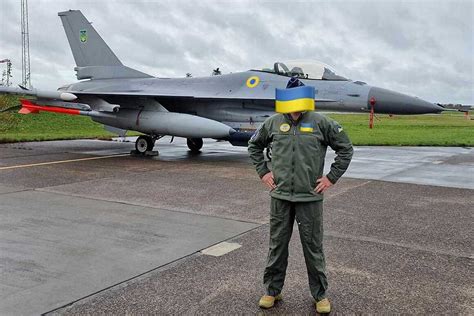
The United States, along with several European partners including the Netherlands, Denmark, and Norway, has agreed to supply Ukraine with F-16 fighter jets as part of its long-term military support strategy. These aircraft are not merely modern; they are battlefield-tested platforms with superior radar, missile, and targeting capabilities that can dramatically shift the balance in contested airspace.
Ukrainian pilots who previously operated MiG-29s or Su-27s face a steep learning curve transitioning to Western-made aircraft. The F-16’s fly-by-wire controls, advanced radar systems, and NATO-standard communication protocols differ significantly from the Soviet-designed airframes. Training in the Czech Republic — especially through realistic simulation — will help bridge this technological and doctrinal gap.
This move is part of the broader “F-16 Coalition,” an international training framework that includes the United States, Romania, Belgium, and the United Kingdom, with the Czech Republic now joining in a support capacity. The coalition’s goal is to create an interoperable Ukrainian air force capable of flying NATO-standard aircraft by late 2025.
From Simulators to Combat Missions: Roadmap for Integration
While the pilots won’t fly actual F-16s in Czech airspace, they will receive battlefield-relevant exposure to F-16 systems. The simulated training environment is designed to replicate real-world scenarios Ukrainian aviators may face in the theater of war, such as:
- Engaging enemy aircraft in dogfights over eastern Ukraine.
- Executing precision strike missions against Russian logistics and radar systems.
- Navigating integrated air defense zones through radar jamming and stealth approach tactics.
By the end of the course, each pilot will accumulate 150 intensive hours, preparing them for advanced conversion programs likely to be hosted in Romania, Denmark, or the United States — where real F-16s are available.
Funding and Geopolitical Implications
The entire cost of the program will be absorbed by the Czech Ministry of Defence, reinforcing Prague’s firm stance on supporting Ukraine through both political and material channels. Unlike other European states who have sought co-financing through EU grants or NATO reimbursement, the Czech government has taken on the financial burden directly.
This choice highlights Czechia’s evolving defense doctrine, which now includes proactive forward defense policies rather than reactive regional security measures. It also cements the country’s status as a frontline state in NATO’s eastern security perimeter, despite its limited airpower.
Moreover, by leveraging its training infrastructure rather than combat assets, the Czech Republic is carving out a niche as a strategic enabler — helping Ukraine ascend to Western air standards without needing to overhaul its own fleet.
A Test of Commitment and Capability
For Ukraine, this opportunity is not merely about learning to operate a new aircraft. It’s a crucial step in restructuring its air force into a force that is not only capable of surviving in contested skies but also excelling. The training in the Czech Republic stands as a model of how smaller NATO members can contribute meaningfully, not just by sending arms, but by building skills, transferring doctrine, and embedding strategic trust.
As the pilots prepare for their upcoming simulations and drills, they carry the weight of their nation’s hopes — to reclaim air superiority, defend their homeland, and join the larger European security community on equal footing.