Flying smarter requires understanding the difference between charter flights and scheduled flights — two vastly different experiences that define modern air travel. While both serve the same fundamental purpose — getting travelers from one destination to another — the experience, control, and cost vary significantly depending on the choice of flight. In this comprehensive guide, we examine each in detail, uncovering their advantages, drawbacks, and ideal use cases to help travelers make informed decisions.
What Are Scheduled Flights?
Scheduled flights are the cornerstone of commercial aviation. These flights operate on fixed routes, at predetermined times, regardless of how many seats are sold. Major commercial airlines offer them, and passengers purchase individual seats rather than booking the aircraft in its entirety.
These flights are regulated under Part 121 of FAA regulations and are offered by well-known airlines like Delta, United, or American Airlines. Passengers typically book tickets months in advance and must adhere strictly to airline rules regarding baggage, security protocols, boarding times, and airport arrival schedules.
Scheduled flights often involve:
- Standardized aircraft models like Boeing 737s or Airbus A320s
- Mass passenger volumes
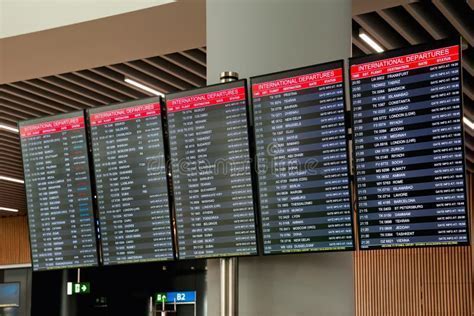
- Airport queues, TSA checks, and boarding procedures
- Set prices per seat that vary based on demand, timing, and class of service
These flights are ideal for budget-conscious travelers, regular commuters, and those who prioritize cost savings over convenience.
Defining Charter Flights
Charter flights, in contrast, are non-scheduled flights wherein a traveler (or group) rents the entire aircraft for a specific journey. They are operated under Part 135 of FAA regulations and tailored exclusively to the client’s needs — from scheduling and departure points to onboard service preferences.
When one charters an aircraft, they are not buying a seat — they are buying the aircraft. This opens a realm of possibilities:
- Choose the exact departure time and preferred airport
- Select from a wide variety of aircraft, from turboprops to ultra-long-range jets
- Experience private terminals or FBOs (Fixed-Base Operators) instead of crowded airports
- Customize the inflight experience with gourmet catering, pet-friendly accommodations, or even team-branded interiors

Clients using charter flights often include celebrities, business executives, athletes, or travelers with specific privacy or itinerary demands.
Flight Control and Flexibility
The most compelling distinction lies in control.
Scheduled flights operate like trains: they follow fixed routes and schedules. Whether a flight is full or nearly empty, it still departs according to the timetable. Travelers must conform to the airline’s itinerary.
With charter flights, control shifts to the passenger. The flight won’t leave until the client is ready. Missed your meeting or want to leave early? The aircraft waits. This level of autonomy is unattainable in commercial aviation.
In urgent or high-stakes scenarios — diplomatic missions, emergency evacuations, or transporting sensitive cargo — this flexibility is not just convenient, but mission-critical.
Cost Comparison: Charter vs Scheduled
The most obvious drawback of charter flights is cost. A round-trip private jet charter could range from $10,000 to $100,000+, depending on the aircraft size, distance, crew requirements, and other variables.
Scheduled flights, by contrast, can cost as little as a few hundred dollars round trip. Even first-class tickets rarely approach the cost of a light jet charter.
However, cost should be viewed through the lens of value:
- Charter flights offer time savings, privacy, and productivity
- Executives who can avoid overnight stays, delays, and downtime often justify the premium
- Families or sports teams splitting costs across 10+ passengers may find charters surprisingly affordable
Empty leg flights, which are discounted repositioning flights, offer opportunities to fly charter at significantly reduced prices — sometimes up to 75% off standard rates.
Passenger Experience and Airport Navigation
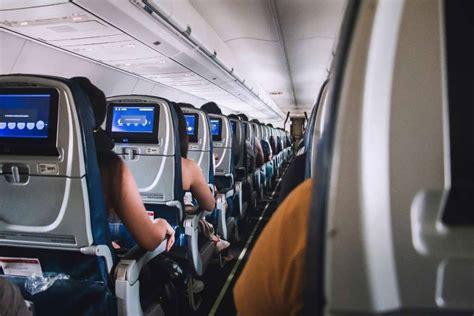
On scheduled flights, travelers often encounter crowded check-in areas, long TSA lines, and mandatory early arrival policies (typically 2–3 hours pre-flight for international routes). Once onboard, passengers deal with limited legroom, shared lavatories, and public exposure.
Charter flights remove nearly all of these friction points:
- Arrive 15–30 minutes before departure
- Bypass main terminals via FBOs
- Board the aircraft directly without crowds
- Disembark swiftly and exit through private facilities
This enhanced experience drastically reduces travel fatigue, especially on multi-leg journeys.

Aircraft Customization and Onboard Amenities
Charter clients can request specific aircraft types with tailored interiors:
- Light jets (e.g., Phenom 300) for short hops
- Midsize jets (e.g., Citation XLS) for regional flexibility
- Long-range jets (e.g., Gulfstream G650) for intercontinental routes
Onboard features may include:
- Private suites with beds
- Full-service galleys
- Luxury finishes, Wi-Fi, satellite phones, and flat-screen entertainment systems
Scheduled flights, even in first class, rarely offer this level of bespoke luxury.
Safety Standards and Regulatory Oversight
Both flight types are governed by strict FAA regulations, yet there are nuances.
Scheduled airlines must comply with Part 121, which imposes high operational and maintenance standards. Charter operators fly under Part 135, which — though different — still requires:
- Rigid aircraft maintenance routines
- FAA-certified crew members
- Safety management systems
Reputable charter brokers and operators often exceed regulatory standards, enrolling in safety auditing programs like ARGUS or Wyvern.
The ICAO accident rate for scheduled commercial aviation was 0.57 in 2021, while Part 135 statistics remain comparably low, making both options statistically safe. It’s the operator’s safety culture, not the flight type, that matters most.

Use Cases: When to Choose Each Option
Scheduled flights are best when:
- Traveling solo or with 1–2 companions on popular routes
- Budget constraints are primary
- Flexibility isn’t a concern
- Booking far in advance is feasible
Charter flights are preferred when:
- Privacy, discretion, or security is essential
- Direct routes not served by commercial airlines are required
- Traveling with a group or specialized cargo
- Time efficiency outweighs cost
- A tailored travel experience is desired
The Industry Vision: Joel Thomas and Stratos Jet Charters
Joel A. Thomas, founder of Stratos Jet Charters, advocates for a client-first model in private aviation. His vision includes:
- Eliminating unsafe seat-by-seat private jet sales
- Promoting transparent pricing models
- Emphasizing safety audits and ethical brokering
Thomas played a key role in shaping industry standards through the Air Charter Association of North America (ACANA), continually pushing the industry to elevate safety, efficiency, and customer satisfaction.
Conclusion: Making the Right Choice for Your Journey
Choosing between a charter flight and a scheduled flight depends on your priorities, itinerary, and budget. If your goal is predictability and cost-efficiency, scheduled flights are the natural choice. But if you need precision, comfort, privacy, and a tailored experience, charter flights offer unmatched value.
Both options have evolved with the modern traveler in mind, but only charter flights place you — quite literally — in the pilot’s seat of your journey.
Whether you’re traveling for business, leisure, or special occasions, understanding the fundamental differences between these flight types empowers you to make strategic decisions that elevate your travel experience.
Fly how you want — not how you’re told.