Understanding the distinction between lean and rich fuel mixtures is fundamental to mastering the behavior of internal combustion engines, particularly in aviation settings. At the core of this concept lies the air–fuel ratio, a key parameter that determines engine performance, efficiency, and safety across various altitudes and environmental conditions.
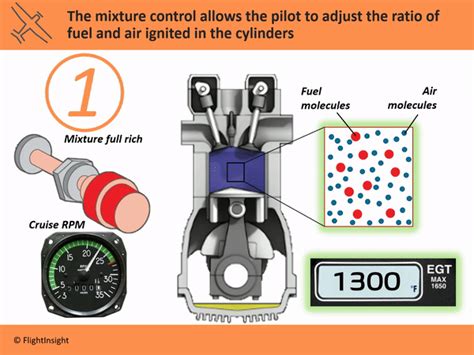
All gasoline-powered engines, from those in light aircraft to high-performance vehicles, rely on a precise blend of air and fuel. This ratio governs the combustion process, influencing power output, fuel economy, and exhaust emissions. What differentiates a lean mixture from a rich mixture is the relative amount of air to fuel being fed into the engine’s combustion chambers.
A lean mixture contains more air and less fuel, while a rich mixture contains more fuel and less air. Although the fuel itself doesn’t change, the composition of the mixture does, and that subtle adjustment has significant consequences for the engine’s operation, particularly in changing atmospheric conditions.
The Role of Air–Fuel Ratio in Combustion Efficiency
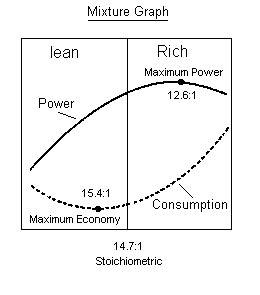
To comprehend the lean-versus-rich dynamic, we must examine the stoichiometric air–fuel ratio — the ideal balance for complete combustion. For gasoline engines, this ratio is typically 14.7:1, meaning 14.7 parts of air to 1 part of fuel by mass. At this ratio, all the fuel theoretically burns using all the available oxygen. This is the baseline from which “lean” and “rich” are defined:
- A lean mixture has an air–fuel ratio greater than 14.7:1 — more air, less fuel.
- A rich mixture has an air–fuel ratio less than 14.7:1 — more fuel, less air.
Aircraft engines, especially those without digital mixture control, often require manual adjustment of this ratio during flight. This is due to the changing air density at different altitudes. As an aircraft climbs, air becomes thinner, and maintaining a constant fuel input can result in a mixture that is too rich for efficient combustion. Conversely, descending without correcting a lean setting can deprive the engine of sufficient fuel.
Why Mixture Adjustment Matters in Aviation
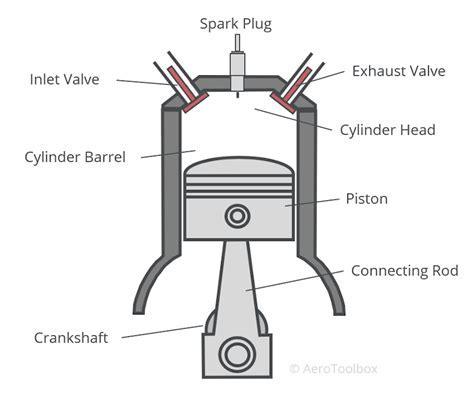
Altitude directly affects air density, and consequently, how much oxygen enters the cylinders. If an engine receives the same volume of fuel at higher altitudes, the resulting mixture is disproportionately rich. This not only reduces engine performance but can also lead to fouled spark plugs, increased carbon deposits, and reduced fuel economy.
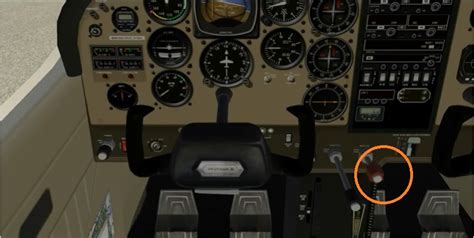
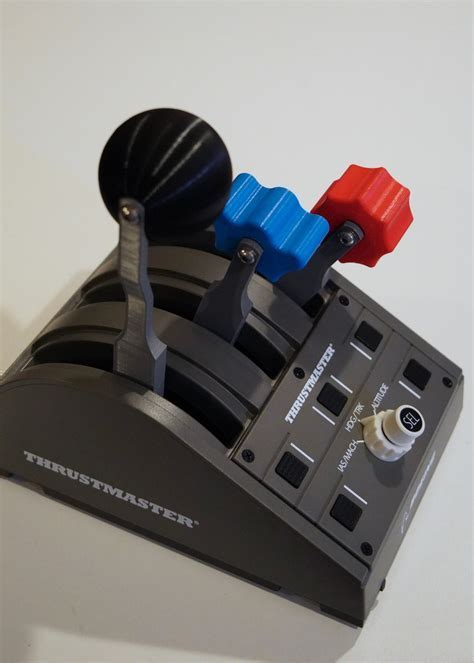
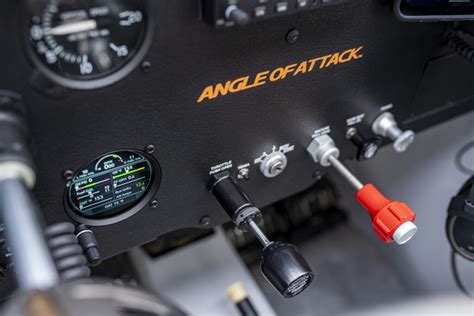
In piston-engine aircraft, mixture control is not optional—it is a core task of engine management. Pilots manually enrich or lean the mixture using a mixture control lever to:
- Maximize engine power during takeoff and climb (richer mixtures)
- Prevent engine overheating and detonation during cruise (leaner mixtures)
- Avoid engine roughness or stumbling due to improper combustion
Performance Outcomes of Lean vs. Rich Mixtures
A rich mixture burns cooler, which can be beneficial in preventing excessive cylinder head temperatures. It also ensures a buffer against detonation—the uncontrolled explosion of the air–fuel mix. This is why richer mixtures are used during high-power operations, such as takeoff.
On the other hand, lean mixtures produce hotter combustion, but under controlled conditions, they can dramatically increase fuel efficiency and range. In cruising phases, leaning the mixture optimizes fuel usage, reduces exhaust emissions, and allows the engine to run more economically, provided temperatures remain within safe operating limits.
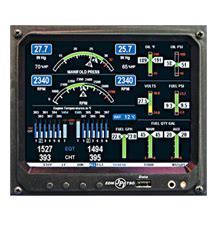
This balance is delicate. Excessive leaning can lead to engine knocking, pre-ignition, or exhaust valve damage, particularly if the engine lacks sensors or monitoring systems like Exhaust Gas Temperature (EGT) and Cylinder Head Temperature (CHT) gauges.
How Pilots Lean the Mixture in Practice
The procedure for leaning varies slightly depending on aircraft type and engine instrumentation, but the core principle remains consistent: adjust the mixture to achieve the best power or best economy, depending on flight phase.
- Best power leaning involves adjusting the mixture to peak power output, typically by enriching the mixture slightly beyond the point of peak EGT.
- Best economy leaning involves reducing the fuel flow to achieve the lowest fuel consumption per horsepower, leaning just after peak EGT.
This is typically done in cruise, at lower power settings, where temperature and detonation margins are less critical. Most pilots reference POH (Pilot’s Operating Handbook) settings and engine monitor readouts to dial in the optimal mixture.
Operational Risks of Improper Mixture Settings
Improper mixture control poses significant risks in aviation operations. An excessively rich mixture may lead to:
- Engine roughness
- Carbon buildup in the combustion chambers
- Plug fouling
- Increased fuel burn with no performance gain
On the other hand, an excessively lean mixture—especially at high power settings—can result in:
- Engine overheating
- Pre-ignition or detonation
- Damage to valves and pistons
- Sudden engine power loss or failure
These risks underscore the importance of vigilant engine monitoring, especially during altitude changes, power transitions, and long-range cruising. Many modern piston aircraft now incorporate digital engine monitors to aid in real-time mixture tuning.
Lean-of-Peak vs. Rich-of-Peak Operation
Among seasoned pilots and engine manufacturers, there exists a nuanced debate over lean-of-peak (LOP) versus rich-of-peak (ROP) engine operation. This refers to how the mixture is adjusted in relation to the peak exhaust gas temperature, a key indicator of combustion efficiency.
- LOP operation involves leaning the mixture just beyond the peak EGT point. This results in cooler combustion temperatures, improved fuel efficiency, and reduced wear—if the engine is designed and monitored properly.
- ROP operation keeps the mixture slightly richer than peak EGT to ensure maximum power and thermal stability.
Engines certified for LOP often run more efficiently at cruise, but not all engines tolerate LOP settings well. Detonation margins, cooling airflow, ignition timing, and cylinder balance all factor into whether LOP is a viable long-term operating mode.
Conclusion: Precision and Context Define Mixture Control
The difference between lean and rich fuel mixtures is not merely a technical distinction—it is a dynamic operational decision that pilots make continuously to ensure safe, efficient, and optimal engine performance. Understanding how air–fuel ratios respond to altitude, power demand, and engine characteristics allows for more refined control and better performance outcomes.
From initial climb to cruise and descent, mixture settings must be constantly evaluated and adjusted. With proper instrumentation, training, and attention to engine response, both lean and rich operations have their place in efficient, reliable flight. Ultimately, the pilot’s goal is not to favor one over the other, but to manage the entire spectrum of mixture settings according to the needs of the engine and the demands of the mission.