As a pilot or aircraft owner, ensuring the airworthiness of your aircraft is paramount. But keeping track of the various inspections and maintenance requirements can be a daunting task. This is where the AVIATES acronym comes in — a valuable tool that simplifies the often overwhelming world of aviation regulations and maintenance checks. Let’s delve deep into what AVIATES stands for and why it is essential for safe flying.
What is the AVIATES Acronym?
The AVIATES acronym is a mnemonic device used to help pilots remember the essential inspections and maintenance tasks required by Federal Aviation Administration (FAA) regulations. Each letter in AVIATES represents a specific requirement, and together, they ensure that an aircraft remains airworthy and safe for flight. Below is a breakdown of the acronym:
- A stands for Annual Inspection.
- V represents a VOR Check.
- I signifies the 100-Hour Inspection.
- A refers to Airworthiness Directives (ADs).
- T stands for Transponder Check.
- E represents ELT (Emergency Locator Transmitter) Inspection.
- S stands for Static System and Altimeter Check.
By incorporating this acronym into your routine, you can quickly assess if your aircraft meets the FAA’s required standards for flight.
Why Is AVIATES Important?
AVIATES is more than just a memory aid; it is an essential part of maintaining compliance with FAA regulations. Adhering to these checks ensures that an aircraft remains safe to fly and avoids potential legal and safety issues. Skipping even one of these vital tasks can result in penalties, delays, or, worse, compromised safety.
For example, the VOR Check ensures that pilots flying under Instrument Flight Rules (IFR) can rely on accurate navigation equipment. The ELT inspection ensures that if an emergency arises, rescuers can locate your aircraft quickly. The Transponder Check guarantees communication with air traffic control, preventing dangerous situations in controlled airspace. In essence, following AVIATES ensures that no aspect of your aircraft’s safety is overlooked.
A Detailed Breakdown of Each AVIATES Component
Annual Inspection (A)
The Annual Inspection is a thorough inspection required by the FAA, conducted every 12 months. This is typically performed by a licensed mechanic who holds an Inspection Authorization (IA). The goal is to ensure that your aircraft adheres to the safety standards set by the FAA and is mechanically sound. It is the equivalent of a yearly check-up for your aircraft.
This inspection covers every part of the aircraft, from engines to airframes, and includes detailed checks on things like the aircraft’s control surfaces, fuel system, and landing gear. The Annual Inspection is a must-do for every aircraft and serves as the cornerstone of aviation safety.
VOR Check (V)
The VOR Check refers to the verification of the VHF Omnidirectional Range (VOR) navigation system. For pilots flying under IFR, this test must be performed every 30 days. The VOR system is crucial for navigating, especially when flying through controlled airspace. This inspection ensures that the system is working correctly and provides accurate information to the pilot.
Without a properly functioning VOR, pilots may find themselves lost or off-course, which can be especially dangerous in poor visibility or bad weather conditions.
100-Hour Inspection (I)
This inspection is required every 100 flight hours for aircraft used in commercial operations or when flying passengers for hire. While similar to the annual inspection, the 100-hour inspection is more frequent and ensures that aircraft used for commercial purposes remain safe and reliable. It includes inspections of the engine, airframe, and propeller, along with other vital components.
If your aircraft isn’t used for hire, you don’t need this inspection. However, it’s still important to track the 100-hour mark if you’re flying rental aircraft.
Airworthiness Directives (ADs) (A)
Airworthiness Directives (ADs) are safety notifications issued by the FAA whenever an aircraft or its components are found to have a safety defect. These directives are mandatory and must be addressed promptly. Failing to comply with ADs can lead to penalties and may compromise the aircraft’s airworthiness.
Each aircraft type has its own set of ADs that apply, and it’s vital for pilots and mechanics to stay on top of these updates to ensure compliance.
Transponder Check (T)
The Transponder Check is essential for aircraft operating in controlled airspace. A transponder sends a signal to air traffic control, helping controllers identify your aircraft on radar. This check ensures that the transponder is working correctly and meets the required operational standards. It must be conducted every 24 months, and a failure to comply can result in the inability to fly in certain airspace.
ELT Inspection (E)
An Emergency Locator Transmitter (ELT) is a critical piece of safety equipment. In the event of an emergency, it emits a signal to help rescuers locate the aircraft. The ELT Inspection ensures the device is in good working condition and that the battery has not expired. The inspection must be performed every 12 months and is especially important for ensuring that the ELT functions during a critical situation.
Static System and Altimeter Check (S)
Pilots flying under IFR must have their static system and altimeter checked every 24 months. These instruments are essential for providing accurate altitude data, which is crucial during flight, particularly in poor weather conditions. A failure to properly maintain these systems can result in dangerous situations, including altitude misreadings and loss of control.
How to Incorporate AVIATES Into Your Pre-Flight Routine
One of the best ways to stay compliant with AVIATES is to integrate it into your pre-flight routine. Here are a few tips to help you stay organized:
- Keep a maintenance log: This will help you track all inspections, their dates, and the next due date.
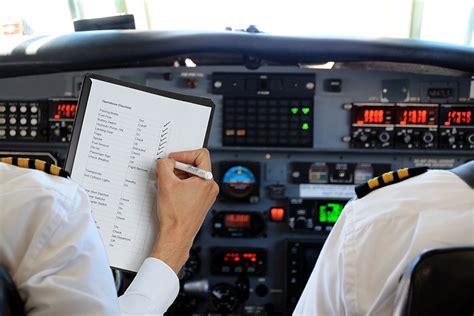
- Use a checklist: A maintenance checklist can ensure that you’re covering every required inspection, from the annual check to the VOR test.
- Consult with a certified mechanic: If you’re ever unsure about any aspect of your aircraft’s condition, ask a qualified mechanic for advice.
- Leverage aviation apps: There are various apps and software available that can help you track maintenance tasks and set reminders for upcoming inspections.
Common Questions About AVIATES
Do private pilots need to follow all parts of AVIATES?
While private pilots may not be required to follow every component of AVIATES (for example, the 100-hour inspection is only for commercial operations), it’s still a good idea to familiarize yourself with all aspects of the acronym. Knowing the regulations helps you stay prepared for any eventuality.
What happens if I forget one of the checks?
Flying without completing a required inspection is illegal and unsafe. If you realize you missed something, do not proceed with the flight. Ensure all checks are completed before departure.
How can I check for Airworthiness Directives (ADs)?
You can check for ADs by visiting the FAA’s website or by discussing your aircraft’s specific ADs with your mechanic. ADs should always be checked regularly to ensure your aircraft remains compliant.
Conclusion
In aviation, safety and compliance go hand in hand, and using the AVIATES acronym is one of the easiest ways to ensure your aircraft remains airworthy. By adhering to these checks and inspections, you not only comply with FAA regulations but also prioritize the safety of yourself, your passengers, and others in the air. Regular maintenance, inspections, and staying up to date on ADs are fundamental for every pilot. So, make AVIATES a part of your flying routine and enjoy peace of mind knowing your aircraft is ready for safe flight every time.
Fly safe, stay compliant, and always check your AVIATES!