When you’re learning to fly, there’s no shortage of acronyms thrown your way—but few are as unforgettable (or as strange) as ATOMATOFLAMES. It sounds more like a bizarre salad recipe than an aviation regulation, right? But for student pilots and private aviators, this quirky string of letters represents a vital part of staying legal and safe in the air.
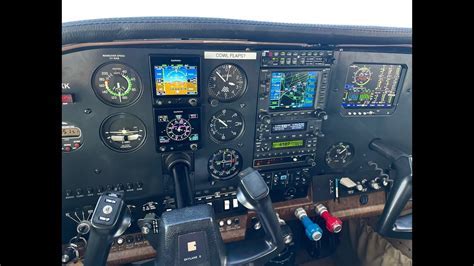
ATOMATOFLAMES is your shortcut to remembering the required instruments for daytime Visual Flight Rules (VFR), as outlined in FAR 91.205(b). This regulation applies specifically to powered civil aircraft with standard category airworthiness certificates issued in the U.S. It defines the minimum equipment that must be operational for legal flight during the day.
What Is FAR 91.205?
Let’s take a moment to break it down. First, a quick overview of FAR 91.205:
- 91.205(b) covers VFR day flight
- 91.205(c) adds night flight requirements
- 91.205(d) applies to Instrument Flight Rules (IFR), which includes everything in both (b) and (c)
So, when someone mentions ATOMATOFLAMES, they’re referring specifically to the gear listed in section 91.205(b)—the baseline instruments you need for VFR daytime flight.
Breaking Down the ATOMATOFLAMES Acronym
Here’s what each letter stands for:
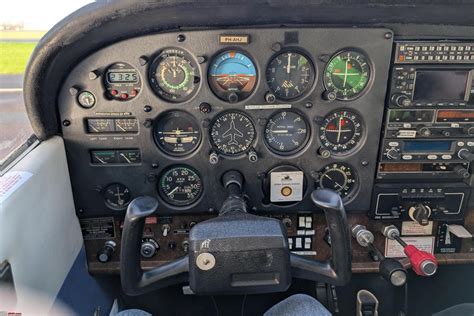
- A – Airspeed indicator
- T – Tachometer (for each engine)
- O – Oil pressure gauge (for each pressure-type engine)
- M – Manifold pressure gauge (for altitude engines)
- A – Altimeter
- T – Temperature gauge (for each liquid-cooled engine)
- O – Oil temperature gauge (for each engine)
- F – Fuel gauge (indicating quantity in each tank)
- L – Landing gear position indicator (if gear is retractable)
- A – Anti-collision lights
- M – Magnetic compass
- E – Emergency Locator Transmitter (ELT)
- S – Safety belts
What This List Covers—And What It Doesn’t
This list may seem complete, but it’s not all-encompassing. A common student question is, “What about seats? Wings?” It’s true—ATOMATOFLAMES doesn’t include the aircraft’s physical structure or design features. The regulation is focused on instruments and equipment critical for safe operation, not structural requirements.
Do You Need to Memorize This for Your Checkride?
Should you memorize this list for your checkride? Ideally, yes. But more importantly, you should know where to find this information in the FAR/AIM (14 CFR 91.205) and understand how to apply it. During your FAA oral exam, it’s common to get questions about this regulation, and you’ll be expected to interpret what’s written—not just recite an acronym.
What If Something on the List Doesn’t Work?
So, what if something on the list breaks? This is a big topic during checkrides. If any required piece of equipment is inoperative, you’ll need to determine whether the aircraft is still airworthy. That means knowing your way around minimum equipment lists (MELs), the inoperative equipment process, and possible deferral procedures.
Does This Apply to All Aircraft?
It’s also worth noting that ATOMATOFLAMES mostly applies to general aviation aircraft—like your average Cessna 182. If you’re flying something larger or turbine-powered (say, an Airbus A350), the required equipment list will be far more complex. Some items might not even appear, replaced by more advanced integrated systems. But for everyday flying in a GA aircraft, 91.205 is your go-to checklist.
Remember that each airplane may have specific exceptions, depending on its certification date and intended operation type. That’s why knowing how to navigate the regulations is so important. Don’t just memorize acronyms—understand the “why” behind the rule.
Before You Fly, Check FAR 91.205
Next time you prep for a flight in a new plane, crack open your FAR/AIM and look at 91.205. Whether you’re a student pilot or building time for commercial, this knowledge will keep you informed, confident, and compliant.
And hey—can you come up with a better acronym than ATOMATOFLAMES? If you do, share it with your instructor or in the comments on your favorite pilot forums. Until then, keep flying safe and know what’s required before you take off.