Every pilot is required to undergo a flight review every 24 months to ensure that their skills and knowledge remain current. This review is a critical part of maintaining a pilot’s ability to operate as a pilot-in-command (PIC). The flight review provides an opportunity to evaluate a pilot’s proficiency, assess their decision-making abilities, and reinforce safety protocols. A comprehensive flight review includes both ground training and flight training, and this dual approach ensures that pilots are well-prepared to handle a range of flight situations. But what exactly does a flight review entail, and how can pilots ensure they meet all the necessary requirements?
Who Needs a Flight Review?
A flight review is mandatory for most pilots wishing to operate as a PIC, and it must be conducted within 24 calendar months of their last review. For the flight review to be valid, the instructor must provide an endorsement in the pilot’s logbook. This requirement ensures that pilots are continually assessed for their competency and safety standards.
Exemptions
While most pilots need a flight review, there are certain exemptions under FAA regulations:
- Student Pilots: A student pilot does not need a flight review, as long as they continue to undergo training for a pilot certificate and maintain a current solo flight endorsement.
- WINGS Program Participants: Pilots who have completed a phase of the WINGS Pilot Proficiency Program in the last 24 months are not required to take a flight review.
- Proficiency Checks or Practical Tests: If a pilot has passed a proficiency check or practical test for a new certificate, rating, or operating privilege within the preceding 24 months, they do not need a flight review.
- Flight Instructors: Flight instructors who have recently completed a practical test, including those for an additional rating or reinstatement of flight instructor privileges, do not need to undergo a flight review.
The Role of the Instructor in a Flight Review
A flight instructor plays a crucial role in the flight review process, acting as both a trainer and an evaluator. While the primary purpose of the review is to evaluate the pilot’s skills, instructors can provide training in areas where the pilot may be lacking proficiency. However, if deficiencies are noted and further training is necessary, the instructor is responsible for ensuring that the pilot’s weaknesses are addressed before they are allowed to complete the review successfully.
The instructor must be qualified, holding the appropriate ratings and a valid medical certificate if they are to act as the pilot-in-command during the flight review. Additionally, if two instructors are used—one for ground training and another for flight training—both must provide endorsements in the pilot’s logbook.
Minimum Training Time and Required Tasks
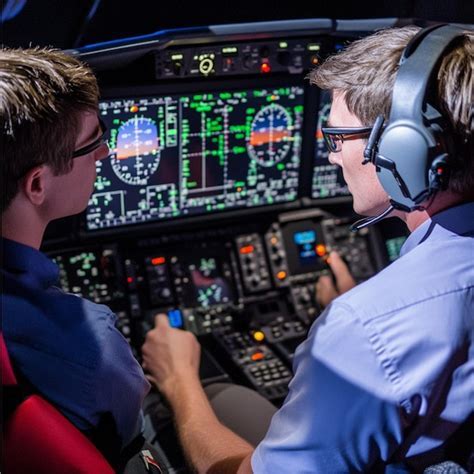
A standard flight review consists of a minimum of one hour of flight training and one hour of ground training. During this review, the instructor is required to cover specific tasks to ensure that the pilot remains current and competent.
- General Operating and Flight Rules: The flight review must include a thorough review of the current operating rules in 14 CFR Part 91, covering topics like flight planning, airspace, and emergency procedures.
- Maneuvers and Procedures: The instructor will select relevant maneuvers to demonstrate that the pilot can safely operate the aircraft within their category and class. These maneuvers can include standard turns, stalls, emergency landing procedures, and other essential flight operations.
While the FAA sets the minimum requirements, the instructor has discretion in determining what maneuvers and procedures are necessary for the pilot to demonstrate their competence.
Combining Flight Reviews with Other Checks
There is flexibility within the FAA regulations that allows pilots to combine flight reviews with other checks, such as the Instrument Proficiency Check (IPC). This can be particularly useful for pilots who want to streamline their training process and ensure they meet all the required standards in one session. However, it’s important to note that separate logbook endorsements are required for both the flight review and the IPC.
Aircraft Requirements for a Flight Review
A pilot must complete a flight review in an aircraft that they are rated for. If a pilot holds multiple ratings, they can choose which aircraft they use for their flight review, as long as they are rated for it. For sport pilots, the review must be conducted in a light-sport aircraft that they are certified to operate.
Additionally, certain operating limitations must be considered when planning the flight review. If the pilot is flying an aircraft with throwover controls or operating a restricted category aircraft, the review should include an assessment of those specific regulatory requirements.
The Importance of Tailored Flight Reviews
Instructors are encouraged to tailor the flight review to the individual pilot’s experience level, flying habits, and operational environment. This is especially critical for pilots who fly multiple aircraft types or those returning to flying after a long break. The goal of a flight review is not just to check off requirements but to ensure the pilot is able to operate safely in the specific scenarios they are likely to face in their flying career.
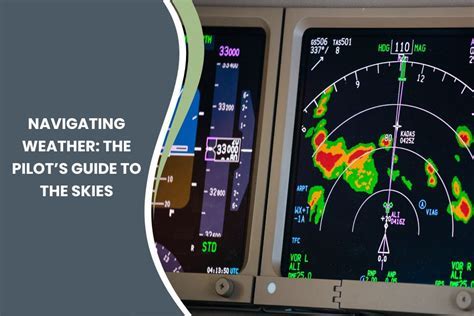
One approach to customizing the review is by using scenario-based flight training. In this type of training, the instructor presents the pilot with realistic, high-stress situations to help them better prepare for emergency situations or unexpected conditions. This might involve practicing for diversions, weather-related challenges, or mechanical failures, all of which are crucial scenarios that pilots need to be proficient in.
Safety Enhancement Through Focused Flight Reviews
The Aircraft Owners and Pilots Association (AOPA) offers a series of focused flight review guides that can be customized to address specific operational areas, such as night flying, cross-country navigation, or weather interpretation. These guides provide an excellent resource for pilots who want to improve in a particular area of flying. Once the focused review is complete, pilots may also receive WINGS credits as part of the FAA’s Pilot Proficiency Program.
Post-Flight Review: Assessing Performance
After completing the flight review, the instructor will evaluate the pilot’s performance and provide a detailed debrief. If the review is unsatisfactory, the instructor will not endorse the logbook and will recommend additional training to address the areas of weakness. A satisfactory flight review, on the other hand, will result in an endorsement, certifying that the pilot is qualified to continue acting as PIC.
Regardless of the outcome, the instructor should help the pilot establish personal minimums for safety and proficiency. This involves creating a training plan that targets specific weaknesses or areas for improvement. Pilots are also encouraged to schedule regular training sessions, ideally every three to six months, to maintain their proficiency and ensure they stay current with both regulations and skills.
Conclusion: The Continuous Journey of Pilot Proficiency
A flight review is more than just a regulatory requirement; it is a valuable opportunity for pilots to sharpen their skills, reinforce their safety practices, and ensure they are prepared for the challenges of flying. Whether you are a seasoned pilot or returning to the cockpit after a break, the flight review serves as an important checkpoint in your journey towards aviation proficiency.
By staying up-to-date with the latest training practices, including scenario-based reviews and focused flight reviews, pilots can ensure they are always prepared to operate safely and confidently in the skies.