Understanding Pilot Currency Requirements
Maintaining currency is a legal and operational necessity in aviation. While a pilot certificate never technically expires, the right to exercise the privileges associated with it can lapse without proper and timely compliance with Federal Aviation Administration (FAA) regulations. These regulations, particularly under 14 CFR Part 61, outline what pilots must do to remain current in the eyes of the law. This article provides an in-depth, structured overview of all major pilot currency requirements, ensuring you understand the nuances and responsibilities that come with each type of certification, rating, or operational privilege.
What Is Currency in Aviation?
Currency refers to the minimum level of recent flight experience required for a pilot to legally act as pilot in command (PIC) or carry passengers. It is not the same as proficiency. You may be current but not proficient, or vice versa. The regulations aim to ensure that pilots have sufficient recent experience to safely operate an aircraft within the scope of their certificate and endorsements.
Currency requirements vary depending on the type of operation, time of day, category and class of aircraft, and even medical certification. They are detailed within 14 CFR §§ 61.23, 61.56, 61.57, 61.197, and others. We explore these in detail below.
Day Passenger Carrying Currency
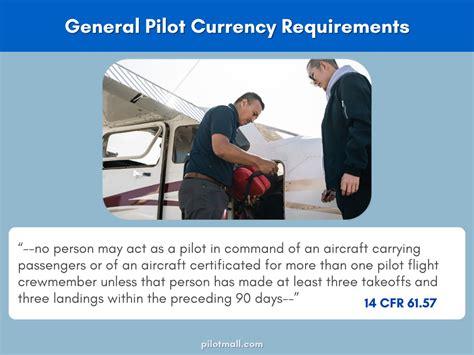
One of the most commonly encountered requirements is currency for carrying passengers during the day. To act as Pilot in Command (PIC) while carrying passengers, a pilot must have completed within the preceding 90 days:
- Three takeoffs and three landings in the same category, class, and type (if a type rating is required).
These landings may be touch-and-go unless operating an aircraft with conventional (tailwheel) landing gear, in which case full-stop landings are mandatory.
This requirement is per aircraft configuration. For example, if you are certified in both single-engine and multi-engine aircraft, you must meet the 90-day landing requirement in each aircraft type before carrying passengers in them.
Night Currency Requirements
Night operations involve greater risk and are therefore subject to stricter currency rules. If you plan to carry passengers between one hour after sunset and one hour before sunrise, you must have performed within the preceding 90 days:
-
Three takeoffs and three landings to a full stop during the night period,
-
In the same category, class, and type of aircraft you will be flying.
These landings must be done at night, meaning after civil twilight and before dawn, where reduced visibility and increased workload significantly raise the level of complexity.

Instrument Flight Rules (IFR) Currency
Pilots operating under Instrument Flight Rules (IFR) face another set of requirements. To legally act as PIC in IFR conditions, a pilot must have completed the following within the previous six calendar months:
-
Six instrument approaches
-
Holding procedures and tasks
-
Intercepting and tracking courses through navigation systems
These may be completed under actual or simulated IFR conditions. If these requirements are not met, the pilot may only regain currency via an Instrument Proficiency Check (IPC) administered by a Certified Flight Instructor – Instrument (CFII), Designated Pilot Examiner (DPE), or check airman.
Flight Review (Biennial Flight Review – BFR)
All pilots must undergo a flight review every 24 calendar months to continue acting as PIC. As outlined in 14 CFR § 61.56, this review includes:
-
At least one hour of ground instruction
-
At least one hour of flight training
The flight review evaluates a pilot’s knowledge of current regulations and ability to safely operate an aircraft. There are alternatives to this review, such as the successful completion of a check ride for a new certificate or rating, which can reset the 24-month timer.

Certified Flight Instructor (CFI) Validity
The Certified Flight Instructor (CFI) certificate has a unique requirement. Unlike most other pilot privileges, the certificate itself expires every 24 calendar months. There are no additional day-to-day or month-to-month currency mandates unless the CFI is operating under a Part 141 program, in which case further standardization flights are necessary.
To renew a CFI certificate, one must complete one of the following:
-
Pass a practical test for any CFI rating
-
Attend an FAA-approved Flight Instructor Refresher Course (FIRC)
-
Demonstrate activity by endorsing five students for practical tests with an 80% pass rate
Failure to renew before expiration results in loss of instructional privileges until reinstated.
Medical Certificate Currency
Per 14 CFR § 61.23, pilots must hold a valid medical certificate appropriate to the type of flying they conduct. There are three classes:
-
First Class: Required for ATP operations
-
Second Class: Required for commercial operations
-
Third Class: Sufficient for private pilots
The duration of validity depends on the pilot’s age and type of certificate. For instance:
-
Under age 40:
-
First Class: valid 12 months
-
Second Class: valid 12 months
-
Third Class: valid 60 months
-
Age 40 or over:
-
First Class: valid 6 months
-
Second Class: valid 12 months
-
Third Class: valid 24 months
Without a valid medical certificate, a pilot is prohibited from acting as PIC or even as a required crew member, regardless of their flight experience.
Temporary Airman Certificates
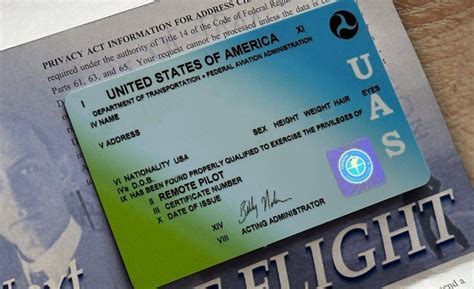
After passing a practical test (checkride), a newly certified pilot will receive a temporary certificate. These certificates are valid for 120 days, during which time the permanent plastic certificate is mailed to the pilot by the FAA.
Though temporary, these certificates carry the same legal authority as the permanent versions and require full compliance with all relevant currency rules.
Part 141 Instructor Standardization
For CFIs instructing under Part 141 flight schools, there is an annual requirement to maintain standardization. Each year, the instructor must complete a standardization flight for every aircraft in which they provide training.
This requirement ensures a uniform level of instruction across FAA-approved training programs and is subject to internal audits and external evaluations. Failure to complete the standardization process may result in revocation of instructional privileges within the 141 school structure.
Staying Compliant and Safe
Currency requirements are not just administrative hurdles—they’re safety measures designed to keep pilots and passengers safe in the dynamic environment of aviation. Flying without meeting currency regulations can result in legal penalties, insurance denial, and license suspension or revocation.
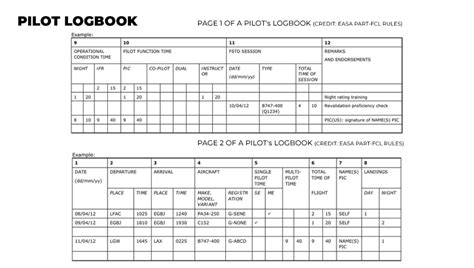
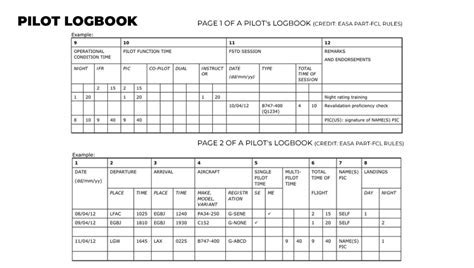
Pilots should proactively log every relevant flight detail, use digital logbooks, and routinely consult 14 CFR Part 61 to ensure ongoing compliance.
Frequently Asked Questions
What happens if I fly while not current?
Flying without meeting required currency standards means you are operating illegally under FAA regulations. If caught, you could face certificate action, including suspension or revocation. Moreover, in the event of an accident, your insurance may not cover damages.
Does a flight review reset my instrument currency?
No. A flight review fulfills the requirement under §61.56, but it does not affect your instrument currency. To regain IFR privileges, you must complete the specific tasks under §61.57(c) or undergo an Instrument Proficiency Check (IPC).
Can I regain currency without an instructor?
Yes—under certain conditions. For example, if you are not current for day VFR passenger operations, you can perform the required three takeoffs and landings solo. However, to regain IFR currency after more than 6 months of noncompliance, you will need a CFII or examiner to conduct an IPC.