Copenhagen, the vibrant capital of Denmark, effortlessly marries its rich Viking past with a forward-thinking, contemporary spirit. This is a city where fairy tales feel real, where innovative design shapes daily life, and where the pursuit of happiness, or ‘hygge’, is an art form. Once a humble Viking fishing settlement, Copenhagen has blossomed into a dynamic global hub, renowned for its cutting-edge gastronomy, its pioneering sustainable practices, and its unwavering commitment to quality of life. Before you pack your bags and set off to explore this Scandinavian jewel, there are essential insights that will transform your journey from a simple visit into an unforgettable immersion into Danish culture.
This guide will navigate you through the charming cobblestone streets, introduce you to world-class museums, and give you a taste of the culinary revolution that has placed Copenhagen firmly on the world’s gastronomic map. From understanding the deep-seated history that echoes from ancient castle walls to embracing the sleek modernity of its architecture and design scene, preparing for Copenhagen means opening yourself up to a city of delightful contrasts and endless discoveries. Whether you’re drawn by tales of fearsome Vikings, the allure of royal palaces, the promise of Michelin-starred meals, or the simple joy of cycling along picturesque canals, Copenhagen is ready to welcome you with its unique blend of history, innovation, and warmth.
The Enduring Allure of Copenhagen: Why This Danish Capital Captivates
Copenhagen’s appeal is multifaceted, a captivating blend of old-world charm and ultramodern sophistication. It’s a city that consistently ranks among the world’s most liveable, and visitors quickly understand why. The compact city center is eminently walkable and bikeable, allowing for effortless exploration of its diverse neighborhoods, each with its own distinct character. Beyond the iconic landmarks, there’s a palpable sense of community and creativity. The Danes’ commitment to sustainability is evident everywhere, from the clean harbor waters you can swim in to the ubiquitous bicycle lanes that define its urban transport. This is a city that doesn’t just talk about a green future; it actively lives it, offering a refreshing perspective on urban living. Furthermore, Copenhagen’s rich cultural tapestry is woven with threads of royal history, artistic innovation, and a deep appreciation for design that permeates every aspect of life, from public spaces to private homes. It’s this harmonious blend of the historical, the progressive, and the intrinsically human that makes Copenhagen an irresistibly attractive destination for travelers seeking both inspiration and relaxation.
Unveiling Copenhagen’s Past: A Journey Through Time
Copenhagen’s story begins over a thousand years ago, its origins rooted in a modest Viking fishing village. Traces of this ancient heritage can still be found, offering glimpses into the lives of the legendary Norse seafarers. The very name ‘København’ translates to ‘merchants’ harbor,’ highlighting its historical significance as a strategic trading post. Over centuries, it evolved from a fortified settlement into the magnificent capital of a powerful Danish empire. The remnants of a 1,000-year-old castle, discovered beneath Christiansborg Palace, serve as a silent testament to its deep historical foundations. Exploring Copenhagen’s historical sites is not merely a walk through the past; it’s an understanding of the foundations upon which its modern identity is built. This rich history is palpable in the architecture, the museums, and the very layout of the older parts of the city, inviting visitors to connect with Denmark’s storied past.
Rosenborg Castle: A Royal Treasury
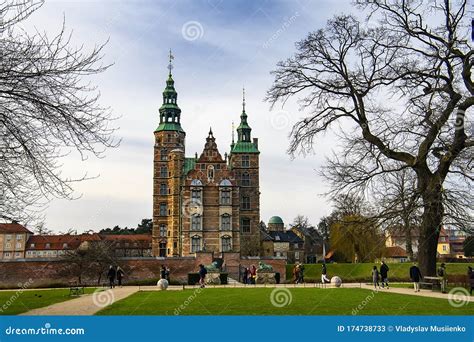
Nestled in the heart of the city, Rosenborg Castle stands as a magnificent example of Renaissance architecture and a treasure trove of Danish royal history. Built in the early 17th century by King Christian IV, one of Denmark’s most influential and ambitious monarchs, Rosenborg served as a royal residence until the early 18th century. Today, it functions as a museum, housing an extraordinary collection of royal artifacts, including the Danish Crown Jewels and Royal Regalia, which are kept securely in its vaults. A visit to Rosenborg offers an intimate look into the lives of Danish royalty through exquisitely preserved interiors, from the opulent Knights’ Hall with its coronation thrones to the private chambers adorned with intricate tapestries and portraits. The surrounding King’s Garden (Kongens Have), Copenhagen’s oldest royal garden, provides a serene escape with its beautiful flowerbeds, tree-lined avenues, and sculptures, making it a favorite spot for both locals and tourists.
The National Museum of Denmark: Chronicles of a Nation
For a comprehensive understanding of Danish history and culture, from prehistoric times to the modern day, The National Museum of Denmark (Nationalmuseet) is an indispensable destination. Housed in a grand 18th-century Rococo mansion, the museum’s extensive collections cover a vast chronological and thematic span. You can marvel at Viking hoards of gold and silver, runic stones bearing ancient inscriptions, well-preserved bog bodies offering insights into Iron Age rituals, and medieval church art. The ethnographic collections are equally impressive, showcasing artifacts from cultures around the world. The museum excels in bringing history to life through engaging exhibits and interactive displays, making it an educational and fascinating experience for all ages. It provides a deep and nuanced perspective on the events, people, and innovations that have shaped Denmark into the nation it is today, offering context to the city that surrounds it.
Iconic Copenhagen: Must-See Sights and Unforgettable Experiences
Copenhagen is a city punctuated by landmarks that are recognized worldwide, each telling a part of its unique story. These are the places that often form the first impressions of the city, drawing visitors with their beauty, history, or whimsical charm. From colorful harbors to enchanting amusement parks, these sites are essential to any Copenhagen itinerary.
Nyhavn: The Picturesque Harbor Front
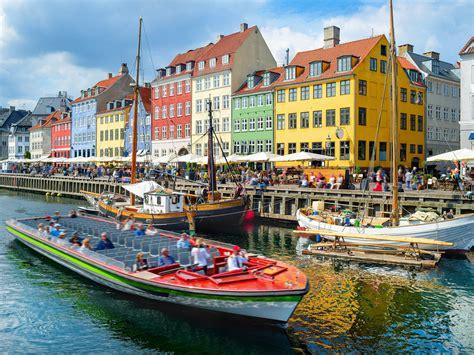
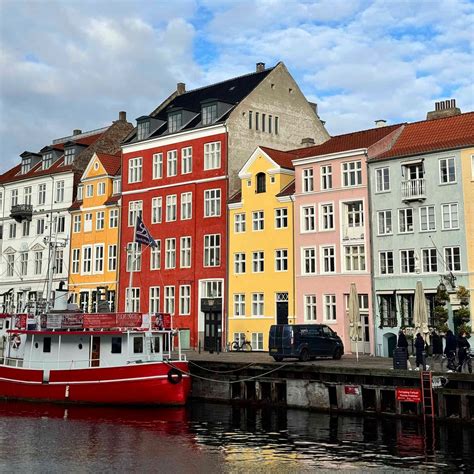
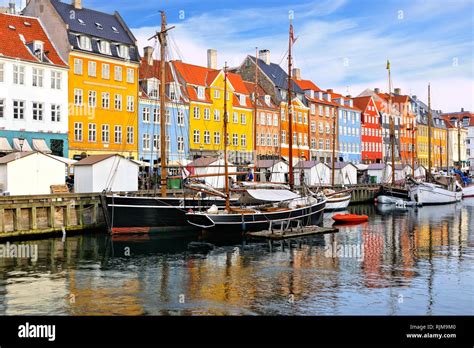
Perhaps the most photographed spot in Copenhagen, Nyhavn, or ‘New Harbor,’ is an absolute must-see. This 17th-century waterfront, canal, and entertainment district is famed for its vibrantly colored townhouses that line the canal, many of which are historic wooden ships. Originally a bustling commercial port where ships from all over the world would dock, Nyhavn was once home to the famous Danish author Hans Christian Andersen, who wrote some of his beloved fairy tales in these very houses. Today, the harbor is a lively hub filled with restaurants, cafes, and bars, their terraces spilling out onto the cobbled quayside. It’s the perfect place to enjoy a leisurely stroll, savor a traditional Danish meal, or simply soak in the charming atmosphere and watch the world go by. Boat tours often depart from Nyhavn, offering a different perspective of the city from its canals.
Tivoli Gardens: A World of Enchantment
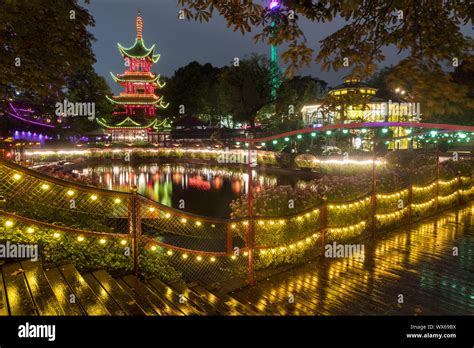
No visit to Copenhagen is complete without experiencing the magic of Tivoli Gardens. Opened in 1843, it is the third-oldest operating amusement park in the world and served as an inspiration for Walt Disney. Tivoli is more than just an amusement park; it’s a beautifully landscaped garden, a cultural venue, and a historic institution rolled into one. It offers a delightful mix of thrilling rides, charming carousels, whimsical architecture, and lush greenery. The park hosts open-air concerts, theatrical performances, and spectacular light shows, especially during its various seasons (summer, Halloween, and Christmas). The atmosphere is particularly enchanting in the evening when thousands of lights illuminate the gardens and attractions. With a wide array of restaurants and food stalls, Tivoli Gardens provides a full day and night of entertainment for visitors of all ages, embodying a sense of timeless joy and wonder.
The Little Mermaid: An Enduring Symbol
Perched on a rock by the waterside at the Langelinie promenade, The Little Mermaid (Den Lille Havfrue) statue is an iconic symbol of Copenhagen. Unveiled in 1913, this bronze statue, inspired by Hans Christian Andersen’s poignant fairy tale, was a gift from Danish brewer Carl Jacobsen to the city. While smaller than many expect, her melancholic gaze and delicate form have captivated visitors for over a century. Despite enduring acts of vandalism, she remains a beloved landmark and a popular photo opportunity. A visit to The Little Mermaid offers a chance to reflect on Andersen’s enduring legacy and enjoy the scenic views of the harbor. It’s often a brief stop, but one that connects visitors to the literary heart of Denmark.
A Culinary Odyssey: Savoring Copenhagen’s Gastronomy
Copenhagen has undergone a remarkable culinary transformation in recent decades, emerging as a global gastronomic powerhouse. The city is at the forefront of the New Nordic Cuisine movement, which emphasizes innovation, sustainability, and the use of fresh, locally sourced, and seasonal ingredients. This culinary philosophy has not only earned Copenhagen an impressive constellation of Michelin stars but has also permeated its entire food scene, from high-end restaurants to casual eateries and street food markets.
The Rise of New Nordic Cuisine
The New Nordic Cuisine manifesto, established in the early 2000s by a group of visionary chefs, has revolutionized Scandinavian cooking. It champions a return to traditional Nordic ingredients and techniques, reimagined with modern creativity and a strong focus on purity, simplicity, and ethics. Restaurants like the world-renowned Noma (though its format evolves) and Geranium (the first Danish restaurant to receive three Michelin stars) have been pioneers in this movement, showcasing the incredible diversity and potential of the region’s produce, from foraged herbs and berries to unique seafood and game. This approach has inspired a generation of chefs, making Copenhagen a destination for discerning food lovers seeking innovative and unforgettable dining experiences.

Torvehallerne Market: A Food Lover’s Paradise
For a taste of Copenhagen’s vibrant food culture in a more casual setting, a visit to TorvehallerneKBH is essential. This bustling covered market, located near Nørreport Station, features over 60 stands selling everything from fresh fish, meat, and local produce to gourmet chocolates, artisanal cheeses, specialty coffee, and freshly baked bread. It’s a fantastic place to sample Danish delicacies like smørrebrød (open-faced sandwiches), frikadeller (Danish meatballs), and delicious pastries. You can also find international street food options, making it a perfect spot for a quick lunch, a coffee break, or to pick up high-quality ingredients. The lively atmosphere and the sheer variety of offerings make Torvehallerne a true feast for the senses.
Beyond Michelin Stars: Cozy Cafes and Traditional Bakeries
While Copenhagen’s Michelin-starred establishments garner international acclaim, the city’s culinary charm also lies in its cozy cafes (kroer) and traditional bakeries (bagerier). These are the places where you can experience ‘hygge’ firsthand, enjoying a warm cup of coffee and a delicious pastry in a relaxed and inviting atmosphere. Danish pastries, known as wienerbrød, are world-famous, and you’ll find an incredible variety, from the classic cinnamon swirl (kanelsnegl) to the cardamom bun (kardemommesnurre). Don’t miss trying a traditional Danish rye bread (rugbrød), a staple in the local diet. Many cafes also offer light meals, sandwiches, and brunch options, providing perfect spots to refuel during a day of sightseeing. Establishments like Conditori La Glace, one of Copenhagen’s oldest confectioneries, offer a truly indulgent experience with their exquisite cakes and traditional ambiance.
Embracing Danish Design and Modernity
Denmark is globally renowned for its distinctive design aesthetic, characterized by minimalism, functionality, craftsmanship, and a deep respect for natural materials. This design philosophy is not confined to museums or galleries; it is an integral part of everyday life in Copenhagen, evident in its architecture, public spaces, furniture, and fashion. The city itself is a showcase of how thoughtful design can enhance the quality of life.
Danish Architecture Center (DAC): Exploring Urban Innovation
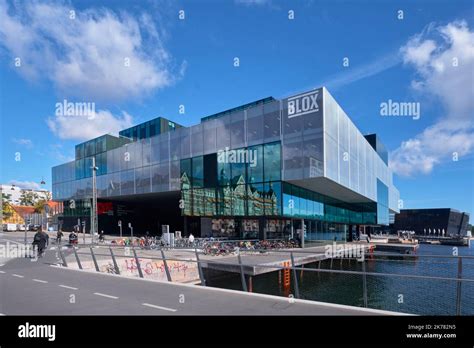
Located in the striking BLOX building on the waterfront, the Danish Architecture Center (DAC) is a dynamic cultural hub dedicated to architecture, urban development, and design. Through its engaging exhibitions, guided tours, workshops, and events, DAC provides insights into how architecture and design shape our lives and cities. The exhibitions often explore contemporary challenges and innovative solutions in urban planning, sustainability, and building design. The DAC also offers stunning views of the harbor and the city, and its family-friendly activities, including a four-story spiral slide, make it an enjoyable visit for all ages. It’s a place to understand the visionary thinking behind Copenhagen’s modern landscape and its reputation as a leading city in sustainable urban development.
Ny Carlsberg Glyptotek: Art Amidst Winter Gardens
Founded by brewer Carl Jacobsen, the Ny Carlsberg Glyptotek is an art museum of international renown, housing an impressive collection that spans from ancient Mediterranean cultures to 19th and 20th-century French and Danish art. The museum is particularly famous for its extensive collection of ancient Egyptian, Greek, and Roman sculptures, as well as a significant array of French Impressionist and Post-Impressionist paintings, including works by Monet, Renoir, Degas, Gauguin, and Van Gogh. Danish Golden Age art is also well represented. Beyond its art collections, the Glyptotek itself is an architectural gem, with a beautiful subtropical Winter Garden at its heart, providing a tranquil oasis for visitors. The serene atmosphere and the stunning interplay of art and architecture make it a must-visit for art lovers and those seeking a moment of cultural contemplation.
Getting Around Copenhagen: The Sustainable City
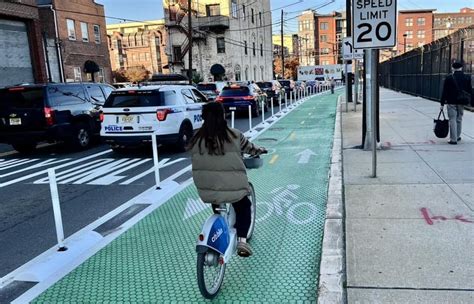
Copenhagen is celebrated for its exceptional public transportation system and its world-leading cycling infrastructure. Navigating the city is remarkably easy and efficient, reflecting its commitment to sustainability and a high quality of life. The preferred mode of transport for many locals is the bicycle, and visitors are encouraged to embrace this quintessentially Danish experience. With extensive networks of dedicated bike lanes, flat terrain, and readily available rental options (like Donkey Republic or specialized bike rental shops), cycling is not only a practical way to get around but also a delightful way to explore the city’s nooks and crannies at your own pace. For longer distances or less favorable weather, Copenhagen offers a reliable and integrated system of trains (S-tog), metro, and buses. The Copenhagen Metro is particularly noteworthy for its driverless trains and efficient connections, including a direct line to the airport. A Copenhagen Card can be a cost-effective option, offering free public transport and admission to numerous attractions.
The Heart of Hygge: Experiencing Danish Well-being
No discussion of Copenhagen or Danish culture is complete without mentioning ‘hygge’ (pronounced hoo-gah). While there’s no direct English translation, hygge encapsulates a feeling of coziness, contentment, well-being, and conviviality. It’s about creating a warm atmosphere, enjoying the good things in life with good people, and finding comfort in simple pleasures. In Copenhagen, hygge can be found in the soft glow of candlelight in a cafe, the warmth of a woolen blanket, a shared meal with friends, or simply a quiet moment of relaxation. Many establishments, from cafes like The Living Room or Paludan’s Book & Cafe to hotels and restaurants, consciously cultivate a hygge atmosphere. Embracing hygge during your visit means slowing down, savoring the moment, and appreciating the simple joys that contribute to Danish happiness.
Copenhagen for Families: Adventures for All Ages
Copenhagen is an exceptionally family-friendly city, offering a wealth of attractions and activities that cater to children of all ages. The city’s safety, manageable size, and abundance of green spaces make it an ideal destination for families. Beyond the obvious allure of Tivoli Gardens, there are numerous other experiences that will delight younger visitors and their parents alike. The Copenhagen ZOO, one of Europe’s oldest zoos, offers fascinating encounters with animals from around the world, including the impressive Arctic Ring exhibit with polar bears and the Norman Foster-designed Elephant House. For a unique and peaceful outing, Assistens Cemetery, the resting place of Hans Christian Andersen and Søren Kierkegaard, doubles as a beautiful park, perfect for a stroll. Interactive museums like the Experimentarium (City of Children) provide hands-on science fun, while places like the Laundromat Cafe in Østerbro are designed with families in mind, offering play areas for children. Many restaurants welcome children, and the city’s overall atmosphere is relaxed and accommodating to families.

Planning Your Copenhagen Adventure: Practical Tips
To make the most of your trip to Copenhagen, a little planning goes a long way. Consider these practical aspects to ensure a smooth and enjoyable visit.
When to Visit Copenhagen
Copenhagen is a year-round destination, but each season offers a different experience. Summer (June to August) is the most popular time, with long daylight hours (up to 20 hours in June), pleasant temperatures (around 63°F / 17°C), and a lively outdoor atmosphere. This is also the busiest and most expensive period. Spring (May) and early Autumn (September) offer milder weather, fewer crowds, and beautiful scenery. May can be particularly lovely as the city bursts into bloom. Winter (November to March) is cold (average 33-37°F / 0-3°C), with shorter days, but it has its own charm, especially around Christmas when the city is adorned with festive lights and markets. January and February are the coldest and least busy months. October tends to be the wettest. Choose the season that best suits your preferences for weather, crowds, and activities.
Accommodation: From Luxury to Hygge Stays
Copenhagen offers a wide range of accommodation options to suit various budgets and preferences. For luxury stays, consider iconic hotels like the Nimb Hotel (located within Tivoli Gardens) or the elegant Hotel Sanders. The 71 Nyhavn Hotel offers a unique experience in a converted warehouse on the harbor. Mid-range options like the Andersen Hotel or Hotel Kong Arthur provide excellent comfort and service. For a more boutique or design-focused experience, look into places like Rye115 Hotel. Many hotels embrace Danish design principles, offering stylish and comfortable environments. Booking in advance is highly recommended, especially during peak season.
Currency, Payments, and Language
The official currency in Denmark is the Danish Krone (DKK). Credit and debit cards are widely accepted in most establishments, including smaller shops and cafes. Contactless payments are also very common. However, it’s always a good idea to have some cash on hand for smaller purchases or markets. The official language is Danish, but English is spoken fluently by almost everyone, especially in tourist areas, hotels, and restaurants. You’ll find it very easy to communicate in English throughout your visit.
Your Essential Copenhagen Checklist
To ensure you capture the essence of this incredible city, here’s a quick rundown of experiences you won’t want to miss:
- Stroll or take a boat tour along Nyhavn’s colorful harbor.
- Immerse yourself in the magic of Tivoli Gardens.
- Explore royal history at Rosenborg Castle and see the Crown Jewels.
- Discover Danish and international art at the Ny Carlsberg Glyptotek.
- Delve into Danish history at the National Museum of Denmark.
- Savor New Nordic Cuisine or traditional Danish smørrebrød.
- Experience ‘hygge’ in a cozy cafe with a Danish pastry.
- Rent a bike and explore the city like a local.
- Visit Torvehallerne Market for a taste of local flavors.
- Learn about Danish design at the Danish Architecture Center.
Copenhagen is a city that charms, inspires, and rejuvenates. Its seamless blend of historical grandeur and modern innovation, its commitment to sustainability and quality of life, and its warm and welcoming atmosphere create an unforgettable travel experience. Whether you’re wandering through ancient streets, marveling at contemporary design, or simply enjoying a moment of hygge, Copenhagen promises a journey filled with discovery and delight. Prepare to be captivated by the unique spirit of this remarkable Danish capital.