Nestled in the heart of the Baltics, Vilnius, the captivating capital of Lithuania, beckons with a unique tapestry woven from centuries of rich history, vibrant culture, and an irrepressible spirit. Far more than just a geographical hub, Vilnius is a city that whispers tales of medieval knights, grand dukes, resilient communities, and artistic revolutions. Its Old Town (Senamiestis), a sprawling UNESCO World Heritage site, stands as one of Europe’s largest and best-preserved medieval quarters, a labyrinthine dream of cobblestone streets, soaring church spires, and hidden courtyards. But Vilnius is not a city content to rest on its historical laurels; it pulses with a contemporary energy, a burgeoning culinary scene, and an innovative spirit that makes it an increasingly compelling destination for discerning travelers. Before you embark on your journey to this Baltic jewel, let us delve into all you must know to truly experience the multifaceted charm of Vilnius.
The story of Vilnius is etched into its very stones, a narrative of triumphs, tribulations, and transformations. From its early days as the formidable capital of the Grand Duchy of Lithuania, which once stretched from the Baltic to the Black Sea, to its periods under Polish, Russian, and Soviet rule, the city has absorbed a multitude of influences, each leaving an indelible mark on its architectural and cultural landscape. This complex past has forged a city of remarkable resilience and character, where Gothic spires stand shoulder-to-shoulder with Baroque opulence and Neoclassical grandeur. Understanding this historical depth is key to appreciating the layers of meaning embedded in every street corner and ancient facade you encounter.
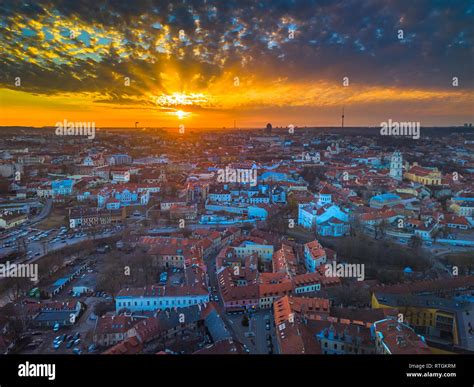
At the heart of this historical narrative lies the magnificent Vilnius Old Town, an area so rich in architectural and historical significance that it commands exploration over several days. It’s a place where every turn can reveal a new marvel, from tiny amber shops tucked into ancient archways to grand squares bustling with life. The sheer density of historical buildings – nearly two thousand medieval, Gothic, Renaissance, and Baroque structures – creates an atmosphere that is both awe-inspiring and intimately charming. It’s a living museum, yet one that buzzes with the daily life of its residents, vibrant cafes, and artisan boutiques.
Unveiling the Splendors of Vilnius Old Town (Senamiestis)
The journey into Vilnius Old Town often begins at Cathedral Square (Katedros aikštė), a vast, open space dominated by the imposing, snow-white Vilnius Cathedral. This neoclassical masterpiece, with its distinct free-standing belfry (once part of the city’s defensive walls), is the spiritual heart of Lithuania. Dedicated to Saints Stanislaus and Ladislaus, the current structure, designed by Laurynas Gucevičius in the late 18th century, stands on a site that has been sacred for centuries, possibly even a pre-Christian pagan temple. Inside, its chapels house priceless artworks and the crypts contain the remains of Lithuanian Grand Dukes and nobles, including Vytautas the Great. Adjacent to the Cathedral, the Palace of the Grand Dukes of Lithuania has been meticulously reconstructed, offering a deep dive into the nation’s royal history and archaeological finds. Exploring its exhibitions provides a profound understanding of Lithuania’s golden age and its powerful rulers.
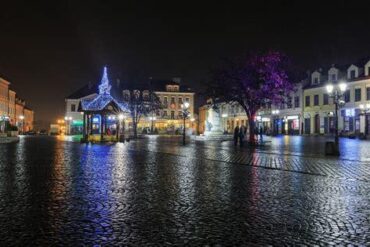
From Cathedral Square, a leisurely stroll will lead you to the Town Hall (Rotušė) and Town Hall Square. Historically the center of civic life, trade, and justice, the neoclassical Town Hall, also designed by Gucevičius, continues to host important events and exhibitions. The square itself is a vibrant hub, surrounded by elegant buildings housing restaurants and cafes, often animated by markets and festivals. As you wander away from these main squares, allow yourself to get lost in the enchanting network of narrow, winding streets. Pilies Street (Castle Street) is one of the oldest and most vibrant thoroughfares, connecting Cathedral Square to the Town Hall Square, lined with souvenir shops, amber jewelers, linen stores, and inviting eateries. Look up to admire the varied architectural styles, from Gothic brickwork to ornate Baroque facades. Don’t miss Literatai Street (Literatų gatvė), a unique open-air gallery where artists have embedded plaques and installations into the wall, each dedicated to a writer with connections to Lithuanian literature or Vilnius itself. This creative tribute adds another layer to the Old Town’s rich cultural fabric.
Architectural Masterpieces: Beyond the Main Squares
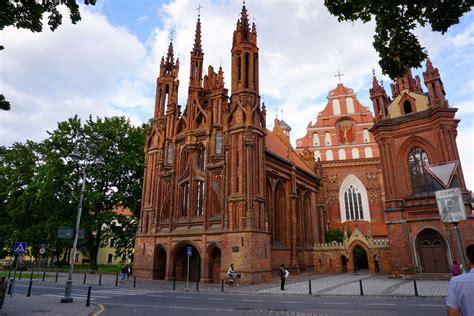
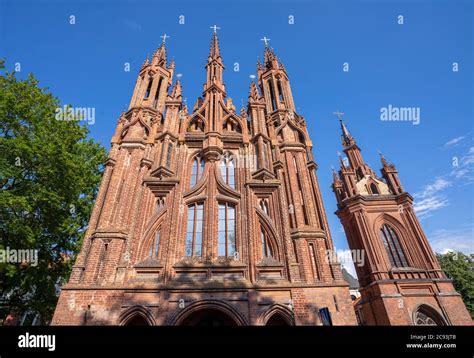
Beyond the central hubs of the Old Town, Vilnius boasts an array of architectural gems that demand attention. Perhaps the most iconic is St. Anne’s Church (Šv. Onos bažnyčia), a breathtaking example of Flamboyant Gothic architecture. Legend has it that Napoleon Bonaparte was so captivated by its beauty upon seeing it in 1812 that he wished he could carry it back to Paris in the palm of his hand. Constructed with 33 different kinds of clay bricks, its intricate facade, with its soaring arches and delicate pinnacles, is a testament to late Gothic artistry. Adjacent to it stands the Bernardine Church, a larger, more austere Gothic structure that forms a stunning architectural ensemble with St. Anne’s. Together, they create one of the most photographed and admired vistas in Vilnius.
Another significant landmark is the Presidential Palace, located just off Vilnius University. With its roots in the 14th century, this neoclassical palace has served various purposes throughout history, including as a residence for bishops, governors-general, and even Napoleon himself during his Russian campaign. Today, it is the official office and occasional residence of the President of Lithuania. The daily flag-changing ceremony is a modest but dignified spectacle. Nearby, the sprawling complex of Vilnius University, founded in 1579, is one of the oldest and most prestigious institutions of higher education in Eastern and Central Europe. Its campus is a remarkable collection of interconnected courtyards – 13 in total – each with its own unique character, surrounded by buildings showcasing Gothic, Renaissance, Baroque, and Classical styles. The Church of St. Johns (Šv. Jonų bažnyčia), with its stunning Baroque facade and towering belfry (which you can climb for panoramic views), is an integral part of the university ensemble and a must-visit.
Confronting a Difficult Past: Museums of Memory and Resilience
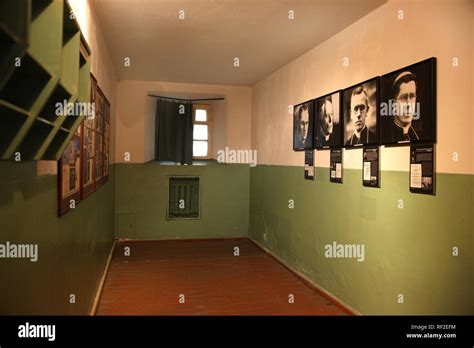
Vilnius does not shy away from its more somber and challenging history. The Museum of Occupations and Freedom Struggles, often referred to as the KGB Museum, offers a chilling and profoundly moving insight into Lithuania’s 20th-century occupations by the Soviet Union and Nazi Germany. Housed in the former KGB headquarters and prison, the museum’s exhibits detail the brutal repressions, deportations, and resistance movements that shaped modern Lithuania. The preserved prison cells, interrogation rooms, and execution chamber in the basement are a stark and unforgettable testament to the human cost of totalitarianism. Visiting this museum is an essential experience for understanding the resilience of the Lithuanian spirit and the nation’s hard-won freedom.
For a different perspective on the city’s history and breathtaking views, a visit to Gediminas’ Tower (Gedimino pilies bokštas) is indispensable. This iconic red-brick tower is the most prominent remaining part of the Upper Castle and a potent symbol of Vilnius and Lithuania itself. According to legend, Grand Duke Gediminas dreamt of an iron wolf howling atop this hill, which was interpreted as a divine instruction to build a city here. Climbing the hill (or taking the funicular) to the tower rewards visitors with an unparalleled panoramic vista of the Old Town’s red roofs, church spires, and the modern city skyline beyond. Inside the tower, a small museum details the history of the castle complex. Another elevated viewpoint offering stunning scenery is the Hill of Three Crosses (Trijų Kryžių Kalnas). While the current concrete crosses were erected in 1989, they replaced earlier wooden ones that, according to legend, commemorated martyred Franciscan friars. The climb is invigorating, and the views, especially at sunset, are spectacular, offering a sweeping look over the Old Town and the Vilnia River.
Užupis: The Bohemian Republic with a Soul
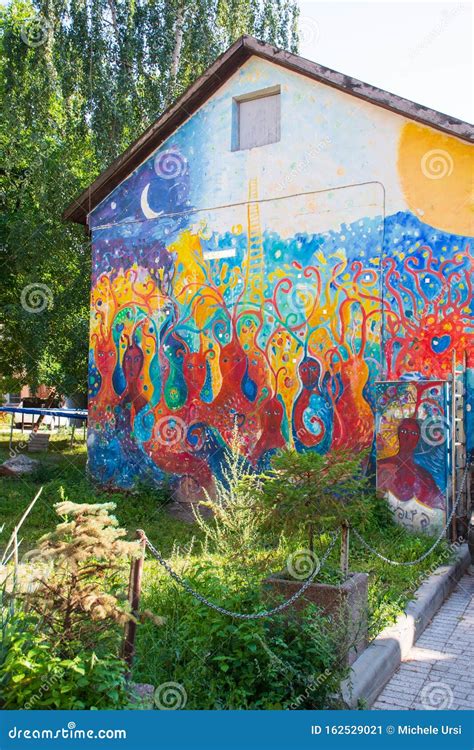
Across the Vilnia River, connected by a small bridge, lies the unique and enchanting district of Užupis. Declaring itself an independent republic on April 1st, 1997 (April Fools’ Day, fittingly), Užupis has its own whimsical constitution (displayed in multiple languages on a wall on Paupio Street), anthem, flag, and even a largely symbolic army. Often compared to Montmartre in Paris or Freetown Christiania in Copenhagen, Užupis is a haven for artists, writers, and free spirits. Its narrow streets are lined with art galleries, quirky sculptures (including the prominent Angel of Užupis), artisan workshops, and cozy cafes. The district’s bohemian atmosphere is palpable, encouraging leisurely exploration and unexpected discoveries. The Constitution of Užupis itself is a delightful read, with articles like “Everyone has the right to be happy,” “Everyone has the right to be unhappy,” and “A dog has the right to be a dog.” This playful yet profound self-governance encapsulates the creative and independent spirit that defines this special corner of Vilnius.
A Culinary Journey: Savoring Lithuanian Flavors in Vilnius
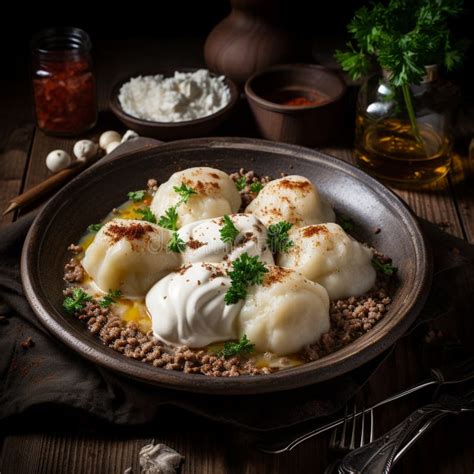
No visit to Vilnius is complete without indulging in its distinctive and hearty cuisine. Lithuanian food is rooted in its agricultural heritage, featuring potatoes, rye, barley, mushrooms, and dairy products. One of the most iconic dishes is Cepelinai, large potato dumplings typically stuffed with minced meat or cottage cheese, served with sour cream and bacon bits – a truly comforting and filling experience. Another potato-based favorite is Kugelis, a baked potato pudding, often with bacon. For something lighter, especially in summer, try Šaltibarščiai, a vibrant pink cold beet soup served with hot boiled potatoes – surprisingly refreshing and delicious. Kibinai, savory pastries originating from the Karaite ethnic minority (who have a significant historical presence in Trakai, near Vilnius), are often filled with mutton, chicken, or vegetables and make for a perfect snack.
While traditional eateries abound, Vilnius also boasts a rapidly evolving modern dining scene. Restaurants like Amandus, recognized by Michelin, offer innovative takes on European and Central European cuisine, providing a fine dining experience. For a more casual yet highly rated meal, Pirmas Blynas (First Pancake) is a social enterprise cafe serving delicious sweet and savory pancakes while providing employment opportunities for people with disabilities. If you’re seeking authentic Lithuanian fare in a rustic setting, Senoji Trobelė (Old Hut) is a popular choice, offering a wide range of traditional dishes. The city’s international culinary offerings are also expanding, with excellent options like Pachamama Dinner Club for Peruvian and South American flavors. Don’t forget to explore the craft beer scene; establishments like Alaus Biblioteka (Beer Library) offer an extensive selection of local and international brews in a cozy, book-lined setting.
Finding Your Vilnius Haven: Accommodation Options
Vilnius offers a diverse range of accommodation to suit every taste and budget. For those seeking luxury and historical ambiance, the Grand Hotel Vilnius Curio Collection By Hilton (formerly Kempinski Hotel Cathedral Square) provides opulent rooms and unparalleled views, often right in the heart of the Old Town. The Radisson Collection Astorija Hotel, Vilnius, housed in a historic 1901 building, offers elegance and a prime Old Town location. For a blend of modern comfort and central convenience, the Hilton Garden Inn Vilnius City Centre is a highly-rated option. Art lovers might gravitate towards the Artagonist Art Hotel, a boutique hotel where each room is uniquely designed by a Lithuanian artist, perfectly situated within the Old Town’s charming streets.
Mid-range options provide excellent value. The Ratonda Centrum Hotels offers comfortable stays, while Congress Avenue is praised for its location. If proximity to the airport is a priority, the Park Inn by Radisson Vilnius Airport Hotel & Conference Centre is a convenient choice. Staying within or very near the Old Town is highly recommended, as it places you within easy walking distance of most major sights, restaurants, and cultural attractions. This area is also well-connected by public transport, making it a convenient base for any day trips you might plan.
Navigating Vilnius: Transportation Essentials
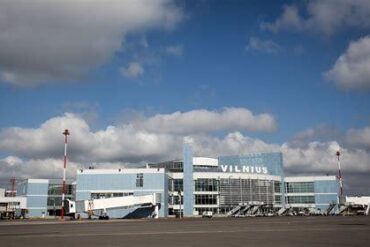
Getting around Vilnius is relatively straightforward. From Vilnius Airport (VNO), which is conveniently located just a few kilometers from the city center, you have several options. Bus #88 provides a direct service to the city center, including stops near Kudirkos Square. Tickets can often be purchased from the driver for a nominal fee (around 1 euro) and must be validated by stamping them in the machine on board to avoid fines. Alternatively, ride-hailing apps like Bolt are widely used and offer an affordable and convenient way to reach your accommodation, typically costing between 6 to 8 euros for a trip to the city center. Taxis are also available, but Bolt is generally considered more cost-effective.
Within the city, public transport consists mainly of buses and trolleybuses. For frequent use, purchasing a Vilniečio kortelė (Vilnius citizen card) from Narvesen kiosks (available at the airport and around the city) and loading it with credit can be more economical. Remember to tap your card on the reader when boarding. However, the Old Town itself is eminently walkable, and exploring its cobblestone streets on foot is arguably the best way to soak in its atmosphere and discover its hidden gems. Many of the key attractions are clustered relatively close together, making walking a pleasant and practical option.
Adventures Beyond the Cobblestones: Day Trips and Unique Experiences
While Vilnius itself offers a wealth of attractions, several nearby destinations and unique experiences can further enrich your visit. A hot air balloon flight over Vilnius or the nearby historic town of Trakai offers an unforgettable perspective. Drifting serenely above the red rooftops of the Old Town or the picturesque lakes and castle of Trakai as the sun rises or sets is a truly magical experience, with several reputable companies offering flights, often including hotel pickup.
Speaking of Trakai, this historic town, located about 28 kilometers west of Vilnius, is one of the most popular day trips. Its stunning Trakai Island Castle, a beautifully restored 14th-century Gothic fortress situated on an island in Lake Galvė, is a fairy-tale sight. The town itself is charming, with traditional wooden Karaite houses and opportunities to sample Kibinai. Trakai is easily accessible from Vilnius by bus or train, with buses being generally more frequent. For a more profound, though somber, excursion, consider a trip to the Hill of Crosses (Kryžių Kalnas) near Šiauliai. Though a longer journey (about 2.5-3 hours by car or organized tour), this extraordinary pilgrimage site, covered in hundreds of thousands of crosses of all sizes, is a powerful symbol of Lithuanian faith, resilience, and national identity. It’s a unique and deeply moving place unlike any other in the world.
Immersing in Culture: Arts, Nightlife, and Shopping
Vilnius has a thriving arts scene. Galleries like AP galerija and Terra Recognita showcase contemporary Lithuanian art, while the Lithuanian Art Museum and its various branches, including the Applied Art Museum (Taikomosios Dailės Muziejus) and the National Museum of Lithuania, offer extensive collections covering the nation’s artistic and historical heritage. For those interested in unique cultural spaces, the Kazys Varnelis House-Museum presents the eclectic collection of the émigré artist in his former home.
As evening descends, Vilnius offers a varied nightlife. The areas around Vilniaus Street and Islandijos Street are known for their lively concentration of bars and pubs, catering to diverse tastes. Skybar, located on the 22nd floor of the Radisson Blu Hotel Lietuva, offers sophisticated cocktails with stunning panoramic city views. For a more traditional pub experience with local brews, Snekutis is a beloved, unpretentious spot. If you’re looking for something different, Lukiškės Prison 2.0, a former prison transformed into a cultural hub, hosts events, tours, and even has bars within its historic walls, offering a truly unique night out.
Shopping in Vilnius ranges from high-street brands to unique local crafts. Gedimino Prospektas is the city’s main shopping avenue. For authentic Lithuanian souvenirs, look for items made from amber (Baltic gold), linen products, and traditional handicrafts, often found in the smaller shops of the Old Town, particularly along Pilies Street. Local markets can also offer interesting finds and a taste of local life.
Essential Tips for Your Vilnius Sojourn
To make the most of your trip to Vilnius, keep a few practicalities in mind. The currency in Lithuania is the Euro (€). While Lithuanian is the official language, English is widely spoken in tourist areas, hotels, and restaurants, so communication is generally easy. Vilnius is considered a safe city, but like any urban area, it’s wise to be aware of your surroundings and take standard precautions against pickpocketing, especially in crowded areas.
The best time to visit Vilnius largely depends on your preferences. Summer (June to August) offers pleasant weather and long daylight hours, perfect for exploring and outdoor activities, though it’s also the peak tourist season. Spring (April-May) and early autumn (September-October) can be beautiful, with fewer crowds and mild temperatures. Winter (November to March) can be cold and snowy, but the city takes on a magical, festive charm, especially around Christmas.
Vilnius: A Baltic Gem Awaiting Your Discovery
Vilnius is a city that effortlessly blends its profound historical legacy with a dynamic contemporary pulse. It’s a place where you can wander through medieval alleyways in the morning, reflect on poignant 20th-century history in the afternoon, and enjoy innovative cuisine and vibrant nightlife as evening falls. Its UNESCO-listed Old Town is a treasure trove of architectural beauty, its people are welcoming, and its atmosphere is both enchanting and invigorating. Significantly more affordable than many other Western European capitals, Vilnius offers exceptional value without compromising on experience. Whether you are a history buff, an art enthusiast, a foodie, or simply a curious traveler seeking a destination that is both beautiful and meaningful, Vilnius, Lithuania, is ready to exceed your expectations and leave an indelible mark on your heart. This Baltic capital is no longer a hidden secret but a rising star, promising an unforgettable journey into a land of captivating stories and enduring spirit.