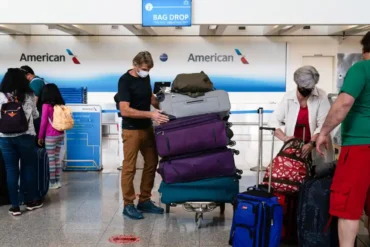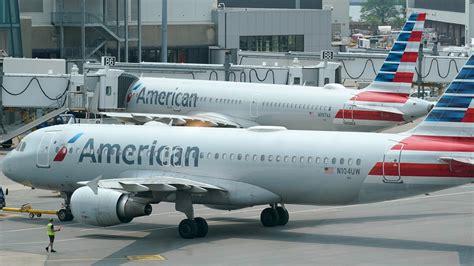
For thousands of American Airlines passengers across the United States, sudden flight cancellations are becoming far more than just an inconvenience. Increasingly, these disruptions are inflicting a heavy financial toll, leaving travelers scrambling for hotel rooms, paying out-of-pocket for meals, and battling opaque reimbursement processes that rarely favor the customer. What was once considered the airline’s burden has shifted squarely onto the shoulders of passengers themselves.
The Hidden Financial Consequences of Canceled Flights
When a flight is canceled, many travelers assume that the airline will cover their immediate needs: lodging, meals, and transport. Unfortunately, the reality is starkly different. In most cases, American Airlines passengers are left paying their own way, even when delays stretch overnight or across multiple days. Hotels near major airports, especially hubs like Charlotte Douglas International Airport or Dallas-Fort Worth, can command premium rates during peak seasons. A single night’s stay can easily exceed $300 per night, not including meals or incidental expenses. Multiply that by a two- or three-night stay, and the cost for an ordinary traveler quickly escalates into a significant financial burden.
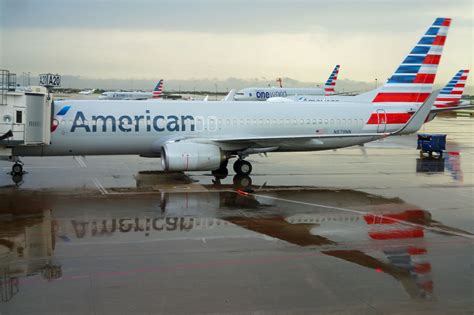
Alyssa Gallagher’s story is not unique. Stranded overnight due to weather, she was promised reimbursement by American Airlines staff. But when she filed for compensation later, the airline invoked its weather-related exemption policy, leaving her footing the entire bill. Her experience reflects a growing pattern across the airline industry, where passengers’ expectations for support clash with airlines’ tightening reimbursement criteria.
Airlines’ Reimbursement Loopholes: A Trap for Stranded Passengers
The U.S. Department of Transportation (DOT) mandates airlines to provide basic care during cancellations within their control. However, when disruptions stem from weather events, airlines like American Airlines often leverage policy loopholes to deny compensation claims. This distinction between controllable and uncontrollable events creates a grey area that leaves many travelers without recourse.
The problem worsens when airlines provide verbal or written assurances at the airport, only to renege later. In Gallagher’s case, a written promise of reimbursement was ultimately deemed invalid under the airline’s fine print. This back-and-forth fosters not only emotional frustration but an acute financial strain for passengers, who find themselves trapped in a cycle of expenses they cannot recover.
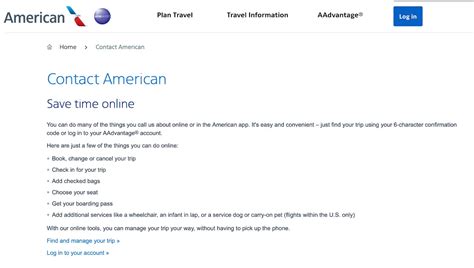
Reimbursement processes themselves are another hurdle. To even attempt compensation claims, travelers must:
- Collect and submit receipts, booking confirmations, and written communications.
- Navigate lengthy and complex online claim portals.
- Face potential rejection based on arbitrary interpretations of policy.
For many, pursuing claims is not worth the effort, especially when the financial loss appears minor compared to the stress of chasing refunds that may never materialize.
A Growing National Problem: The Passenger’s Financial Struggle
What once felt like isolated incidents are becoming systemic. As climate change intensifies weather-related disruptions, American Airlines and other major U.S. carriers increasingly defer financial responsibility onto passengers. Travelers stranded due to storms in one state or mechanical issues in another are uniformly treated with rigid, policy-driven denial of assistance.
The result? Passengers who can least afford the costs—families, students, or budget travelers—are disproportionately affected. Costs that include:
- Hotel rooms: From $200 to $500 per night near major airports.
- Meals: $50–$100 daily depending on location.
- Ground transportation: $30–$70 per trip via rideshare or taxi.
For those with connecting flights or international itineraries, missed bookings translate into further losses, as airlines typically take no responsibility for downstream consequences once the initial flight is canceled.
How Airlines Can Address Financial Hardship During Disruptions
Despite the bleak picture, solutions exist. American Airlines, along with other major carriers, could implement customer-first policies to mitigate financial hardship:
- Transparent Compensation Guidelines: Airlines must clearly outline compensation eligibility during both controllable and uncontrollable cancellations. Simplified, upfront policies would eliminate disputes and rebuild trust.
- Preemptive Hotel Coverage: Regardless of cause, airlines could cover overnight stays proactively. By partnering with hotel chains near hubs, airlines could offer negotiated rates to stranded passengers, reducing both customer expense and frustration.
- Simplified Digital Reimbursement Systems: Instead of burdensome documentation demands, airlines should develop automated refund systems tied to passenger booking records. Instant approval based on cancellation status could replace current manual processes.
- Enhanced Real-Time Communication: Equipping ground staff with clear, consistent messaging would prevent situations where passengers are falsely promised assistance. Airlines should deploy mobile alerts, real-time app updates, and dedicated customer service hotlines for stranded travelers.
- Optional Insurance Bundling: Airlines might offer customers premium coverage options at booking, allowing for comprehensive protection against disruptions, including hotel stays and meals.
The Growing Need for Regulatory Oversight
While voluntary improvements by airlines are important, stronger government intervention is arguably necessary. The DOT could:
- Enforce standardized reimbursement mandates, covering essential expenses during all cancellations.
- Establish penalties for non-compliance with compensation assurances.
- Mandate clear passenger rights documentation provided during booking and at check-in.
By closing regulatory loopholes and holding airlines accountable, authorities could shift the financial burden back where it belongs: onto airlines themselves.
Future Travelers: What You Should Know Before Booking American Airlines
As a passenger considering American Airlines, be aware of potential risks associated with flight cancellations. Protect yourself by:
- Documenting all promises: Keep every written or verbal assurance regarding reimbursements.
- Using credit cards with travel protection benefits, which may cover hotel stays and meals when airlines do not.
- Booking direct flights where possible, minimizing layover-related disruptions.
- Considering third-party travel insurance, especially during seasons prone to weather disruptions.
Ultimately, understanding the limitations of American Airlines’ compensation policies is essential to planning a financially secure journey.
Conclusion: A Growing Financial Crisis Facing U.S. Airline Passengers
American Airlines’ flight cancellations are now more than logistical disruptions—they are a growing financial threat to ordinary travelers. With policies that frequently deny assistance during weather-related disruptions and complex reimbursement processes, many passengers end up shouldering thousands of dollars in unplanned costs. While the airline industry continues to shift responsibility onto customers, future travelers must educate themselves and prepare for the worst.
Airlines must act. Transparent policies, simplified reimbursements, and proactive customer care are no longer optional; they are necessities to prevent further erosion of consumer trust. Until that happens, U.S. passengers remain financially vulnerable, stranded not just at airports, but in a system designed to leave them paying the price.