The world of premium air travel has changed dramatically, and nowhere is that transformation more visible than inside the Delta One suite aboard the Airbus A350. In 2026, buying a ticket in Delta’s flagship business class cabin no longer feels like purchasing transportation. It feels like entering an elite financial ecosystem shaped by artificial intelligence, demand forecasting, premium scarcity, and luxury psychology.
For travelers accustomed to the golden era of discounted business-class fares, today’s pricing can feel almost surreal. A seat that once sold for $3,000 or $4,000 on a transatlantic route can now climb beyond $15,000 depending on timing, aircraft type, and route demand. On ultra-long-haul flights to Asia, Africa, and Australia, the numbers can move even higher.
What makes the situation more fascinating is that these prices are not random. Delta Air Lines has built one of the aviation industry’s most sophisticated revenue systems, especially around its Airbus A350 fleet. The result is a constantly shifting market where two passengers sitting side-by-side in identical Delta One suites may have paid wildly different amounts for the exact same experience.
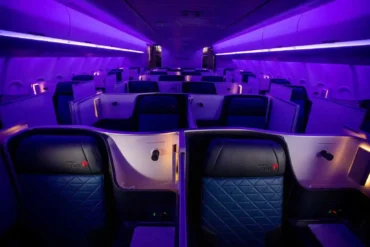
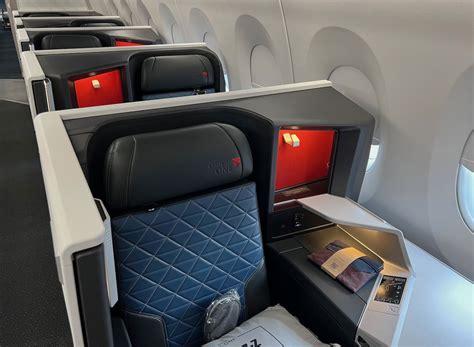
The Airbus A350 has become the centerpiece of Delta’s premium ambitions. Equipped with enclosed suites, sliding privacy doors, upgraded bedding, chef-designed dining, and one of the quietest cabins in commercial aviation, the aircraft represents Delta’s strongest argument that it belongs among the world’s top luxury airlines.
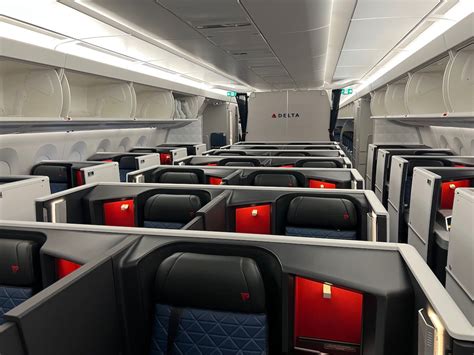
For many travelers, especially executives and affluent leisure passengers, the Delta One experience is now viewed less as a splurge and more as a productivity investment. A rested arrival in Tokyo, London, or Sydney can carry enormous value in a world where time matters more than ever.
Why Delta One Prices Have Skyrocketed In 2026
The biggest reason Delta One fares have exploded in price is the airline’s aggressive embrace of dynamic pricing algorithms. Traditional fare charts have largely disappeared. Instead, Delta’s system continuously recalculates seat values based on hundreds of variables in real time.
These variables include:
- Historical demand patterns
- Corporate booking behavior
- Seasonal travel surges
- Fuel costs
- Competitor pricing
- SkyMiles redemption trends
- Aircraft type
- Remaining inventory
- Booking window before departure
The Airbus A350 receives special treatment within this system because Delta markets the aircraft as its premier international flagship. Routes operated by the A350 frequently carry a 12% to 18% premium over older aircraft like the Boeing 767 or Airbus A330.
This creates a luxury segmentation strategy similar to what luxury hotels use. Delta is effectively telling travelers that not all business-class seats are equal. An A350 suite is positioned as a superior product deserving of substantially higher pricing.
The strategy has worked remarkably well. Corporate travelers continue paying premium rates for direct long-haul flights, while wealthy leisure travelers increasingly view premium cabins as essential rather than optional.
In previous decades, airlines worried about filling business-class seats. In 2026, Delta focuses more on maximizing revenue per seat than maximizing occupancy.
That subtle shift changes everything.
The Average Cost Of A Delta One A350 Ticket
Pricing varies heavily depending on route, season, and booking timing, but several patterns have emerged across Delta’s international network.
For major international round-trip flights, the realistic pricing landscape in 2026 looks roughly like this:
- Transatlantic routes: $4,800 to $15,000
- Asia routes: $9,000 to $18,000
- Australia routes: $12,000 to $20,000
- Africa ultra-long-haul routes: $15,000 to $22,000
These numbers reflect standard cash fares rather than promotional sales or mileage redemptions.
The baseline entry point for Delta One on the Airbus A350 has stabilized near $5,500 round-trip, even during lower-demand periods. Meanwhile, last-minute premium bookings can easily exceed $20,000 on high-demand business routes.
The most expensive fares often emerge within 14 days of departure. Delta’s algorithm assumes late bookings signal urgency, and urgency commands premium pricing.
A corporate executive flying from Detroit to London with only two days’ notice may face a fare exceeding $22,000. While shocking to casual travelers, these fares are often paid by corporations prioritizing speed and scheduling flexibility over cost efficiency.
Why The Airbus A350 Commands Such A Premium
The Airbus A350 is not merely another long-haul aircraft. It has become one of the most commercially valuable jets in the premium travel industry.
Delta’s A350 cabins offer several features that justify higher pricing in the eyes of high-end travelers:
- Fully enclosed Delta One suites
- Sliding privacy doors
- Advanced cabin pressurization
- Lower cabin altitude
- Higher humidity levels
- Reduced engine noise
- Larger entertainment screens
- Improved sleep conditions on long-haul flights
The aircraft’s lower cabin altitude — roughly equivalent to 6,000 feet — significantly reduces fatigue compared to older aircraft designs. On 14- to 16-hour flights, this difference becomes extremely noticeable.
Passengers often arrive feeling more rested, hydrated, and functional after ultra-long-haul journeys. For business travelers negotiating contracts or attending high-level meetings immediately after landing, that physical advantage carries measurable value.
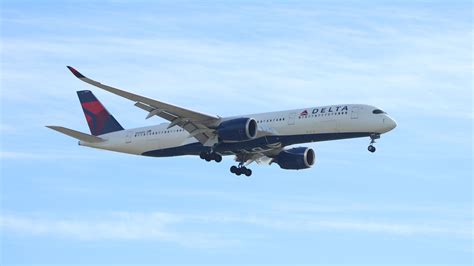
Delta understands this psychological equation perfectly. The airline no longer sells merely a seat or a bed. It sells recovered time, reduced exhaustion, and improved performance.
That positioning allows the airline to defend five-figure ticket prices more effectively than ever before.
The Most Expensive Delta One Routes In 2026
Some routes have become especially notorious for sky-high Delta One pricing. These flights combine strong premium demand, limited competition, and lengthy travel times.
Atlanta To Tokyo Haneda
The Atlanta-to-Tokyo route remains one of Delta’s strongest premium performers. Business demand between the United States and Japan remains exceptionally resilient, particularly among automotive, technology, and financial industries.
Round-trip Delta One fares on the A350 commonly range between $10,000 and $18,000.
The route’s length also enhances the perceived value of the suite experience. Spending 14 hours inside a private enclosed cabin feels fundamentally different from enduring the same duration in economy class.
Los Angeles To Sydney
Flights to Australia consistently rank among the world’s most physically demanding commercial journeys. The sheer duration makes premium seating especially attractive.
Delta One pricing between Los Angeles and Sydney frequently starts around $12,000 and can exceed $20,000 during peak holiday periods.
Competition remains limited, especially for travelers specifically seeking nonstop service combined with a suite product.
Atlanta To Cape Town
Cape Town represents one of Delta’s most ambitious ultra-long-haul markets. The route stretches roughly 16 hours and heavily attracts luxury leisure travelers alongside corporate passengers.
Average Delta One round-trip pricing sits near $17,600, making it among the airline’s most expensive regularly operated routes.
The remarkable aspect is that demand remains consistently strong despite the pricing.
Why European Routes Still Cost So Much
At first glance, shorter transatlantic routes may appear overpriced compared to longer Asia-Pacific journeys. Yet Delta continues charging enormous premiums on routes like New York to London.
The reason is simple: time efficiency.
A traveler leaving New York in the evening and arriving in London early the next morning often needs immediate productivity upon landing. Business travelers place enormous value on sleep quality during overnight flights.
As a result, the New York JFK to London Heathrow corridor remains one of Delta’s most profitable premium markets.
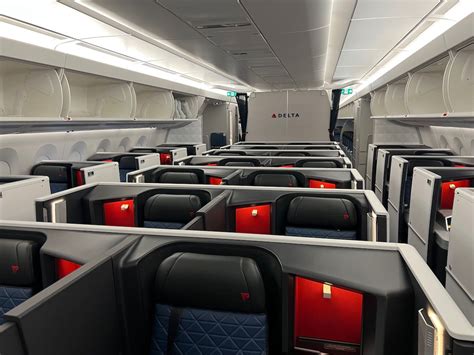
Typical Delta One A350 pricing on this route includes:
- Low-demand periods: approximately $4,800
- Standard business travel periods: $7,000 to $10,000
- Peak summer travel: over $15,000
Flights to Paris and Amsterdam display similar pricing structures, especially due to Delta’s joint ventures with Air France-KLM.
Interestingly, premium leisure travelers now influence European pricing almost as much as corporate passengers. Wealthy vacationers increasingly book Delta One for Mediterranean summer travel, driving fares upward during months that historically saw softer business demand.
In many cases, July airfare to Rome or Athens now exceeds November pricing by over 60%.
The Hidden Costs Behind Delta One Tickets
The advertised fare rarely reflects the true final cost of international premium travel.
Taxes, fees, and carrier-imposed surcharges have become substantial components of Delta One pricing. In some cases, these extra charges exceed $1,500.
Several major cost drivers include:
- International fuel surcharges
- Airport taxes
- UK Air Passenger Duty
- Currency adjustment fees
- Carrier-imposed premium cabin surcharges
London Heathrow remains particularly expensive because of the UK’s Air Passenger Duty, which can exceed $250 for premium-cabin passengers.
Fuel surcharges also remain deeply controversial. Although airlines no longer openly describe them as temporary fuel adjustments, many continue using them as flexible revenue tools layered onto premium fares.
For travelers redeeming SkyMiles, these additional fees can feel especially frustrating because “free” tickets may still require significant cash payments.
SkyMiles And The New Era Of Dynamic Redemptions
The value of Delta SkyMiles has changed dramatically in 2026.
Gone are the days when savvy travelers regularly secured transatlantic Delta One awards for 70,000 miles each way. Today’s system fully mirrors cash pricing.
On major Airbus A350 routes, round-trip Delta One awards now frequently require:
- 350,000 SkyMiles
- 450,000 SkyMiles
- 500,000+ SkyMiles
If a cash fare rises sharply, the mileage price almost always rises alongside it.
This creates a redemption environment where SkyMiles function more like a fluctuating digital currency rather than a traditional loyalty reward.
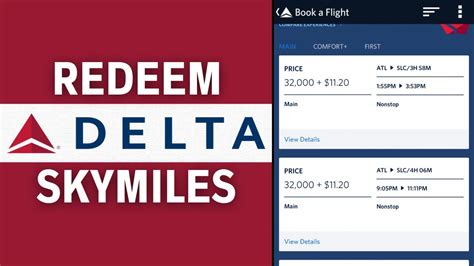
For travelers holding one million SkyMiles, the reality can feel sobering. That balance may only cover two round-trip Delta One journeys to Asia.
Global Upgrade Certificates still offer meaningful value for Delta Diamond Medallion members, but upgrade availability on A350 routes has become extremely restricted. Delta increasingly prioritizes direct premium revenue instead of upgrades.
As a result, many experienced travelers now combine:
- Partial cash payments
- Pay With Miles features
- Credit card transfer bonuses
- Strategic partner bookings
The pursuit of “sweet spot” award pricing has largely disappeared from Delta’s ecosystem.
How Delta Created Artificial Scarcity
One of Delta’s smartest commercial strategies involves intentionally limiting the number of Delta One suites onboard.
Most Delta Airbus A350-900 aircraft contain only 32 Delta One suites. That limited inventory creates scarcity that supports premium pricing power.
Scarcity psychology plays a huge role in luxury markets. Whether selling luxury watches, penthouse hotels, or premium airline suites, exclusivity increases perceived value.
Delta has effectively transformed its A350 fleet into a luxury hospitality product operating at 35,000 feet.
Instead of discounting empty seats aggressively, Delta often prefers to:
- Offer operational upgrades
- Use seats for elite travelers
- Leave seats empty
- Maintain pricing integrity
This differs sharply from earlier airline strategies focused heavily on maximizing cabin occupancy at almost any price.
The airline now prioritizes premium brand positioning over short-term discounting.
Is Delta One Actually Worth The Price?
The answer depends entirely on how travelers value comfort, sleep, productivity, and time.
For some passengers, spending $15,000 on a business-class ticket feels irrational. For others, especially executives managing multinational operations, the ability to arrive functional after a 15-hour flight can justify the expense immediately.
The Delta One suite experience delivers several tangible advantages:
- Significantly better sleep quality
- Reduced jet lag
- Privacy for work and rest
- Restaurant-quality dining
- Premium lounge access
- Faster airport processing
- Improved productivity after arrival
The Airbus A350 itself amplifies these benefits through quieter cabins and better environmental controls.
For ultra-long-haul travel, physical fatigue becomes a serious performance factor. Travelers arriving exhausted after crossing multiple time zones often lose entire workdays recovering.
Delta’s premium strategy directly targets that pain point.
The Future Of Delta’s Premium Strategy
Everything suggests Delta will continue expanding its premium-first philosophy over the next several years.
Industry analysts increasingly expect Delta to introduce:
- More premium-heavy cabin layouts
- Expanded suite concepts
- Enhanced Delta One branding
- Potential “Delta One Plus” segmentation
- Additional Airbus A350 acquisitions
The airline sees enormous profitability in luxury travel, particularly as affluent consumers continue prioritizing experiences and convenience.
At the same time, many corporations have resumed premium long-haul travel spending after several years of tighter restrictions. That recovery has strengthened Delta’s confidence in maintaining elevated pricing.
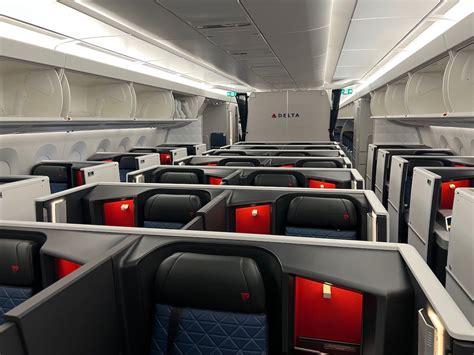
The Airbus A350 remains central to this strategy because it combines fuel efficiency with premium passenger appeal. Ironically, while the aircraft costs less to operate than many older jets, Delta uses its desirability to justify charging even higher fares.
That combination creates extraordinary profit potential.
Delta One In 2026 Has Become A Luxury Product First
The biggest shift in modern aviation is philosophical rather than technological.
Delta no longer treats Delta One as upgraded transportation. It treats the product as a luxury lifestyle service designed for travelers who prioritize comfort, privacy, efficiency, and prestige.
That distinction explains why pricing continues climbing despite already reaching extraordinary levels.
In 2026, flying Delta One aboard the Airbus A350 means entering a world where algorithms determine value minute by minute, where time is monetized aggressively, and where comfort itself has become a premium financial asset.
For travelers willing to pay the price, the experience remains among the most refined offerings in American commercial aviation.
For everyone else, the rapidly rising cost of Delta One serves as a powerful reminder that the future of premium air travel increasingly belongs to those capable of treating five-figure airfare as the cost of saving time rather than spending money.