Global travelers may soon face a sharp increase in ticket prices as the airline industry grapples with rapidly rising fuel costs. United Airlines CEO Scott Kirby has warned that airfares could climb “quickly” as geopolitical tensions drive oil prices upward, putting immense financial pressure on airlines worldwide. The warning reflects a growing concern across the aviation sector that escalating fuel expenses—already one of the industry’s largest costs—could reshape airline pricing strategies in the coming months.
The immediate trigger behind these concerns lies in the escalating conflict in the Middle East, which has disrupted vital energy supply routes. The situation surrounding the Strait of Hormuz, one of the most strategically important shipping corridors in the world, has created uncertainty in global oil markets. Roughly 20% of the world’s oil supply passes through this narrow waterway, meaning any disruption there can ripple through economies far beyond the region.
Oil markets have already reacted. The price of crude oil has climbed by around 11% in a short period, and energy analysts warn that volatility could continue if tensions persist. For airlines—whose profitability is tightly tied to fuel costs—this surge represents a major challenge that will likely translate into higher ticket prices for travelers.
Rising Fuel Prices Are Squeezing Airline Economics
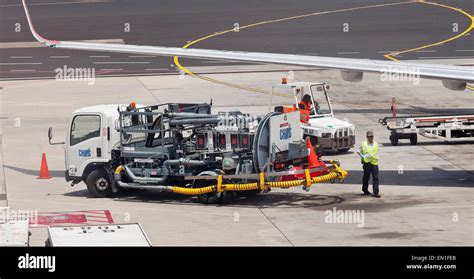
Fuel is not a minor expense for airlines. It typically accounts for about 20% of an airline’s total operating costs, making it the second-largest expenditure after labor. When oil prices spike, airline balance sheets feel the impact almost immediately.
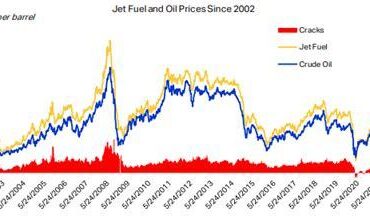
Jet fuel prices have surged dramatically in recent weeks. In the United States, the cost of fuel has jumped from roughly $2.50 per gallon in February to nearly $3.95, representing a 56% increase. Such a rapid rise forces airlines to reassess their financial forecasts and pricing models almost overnight.
Scott Kirby noted that the current surge in oil prices will likely affect United Airlines’ financial performance this quarter, highlighting the speed at which energy market changes can reshape airline economics. Airlines operate on tight margins, and even modest increases in fuel costs can erase profits unless ticket prices rise to compensate.
The aviation industry has experienced this pattern before. Historically, when fuel costs climb sharply, airlines adjust fares, reduce capacity, or introduce fuel surcharges—especially on long-haul flights where fuel consumption is highest.
Premium Cabin Fares Already Showing Signs of Increase
Industry analysts are already seeing early signs of price adjustments. Henry Harteveldt, founder of the Atmosphere Research Group, noted that premium cabin fares have started climbing faster than economy fares.
Airlines often adjust business class and first-class pricing first, as these tickets provide higher margins and are typically purchased by corporate travelers who are less sensitive to price increases. Discount economy tickets may remain stable initially, but prolonged fuel cost pressure tends to filter down to the entire pricing structure over time.
Long-haul routes are particularly vulnerable to rising fuel expenses. Flights that cross oceans or continents require large fuel loads, and even small price fluctuations per barrel can translate into millions of dollars in additional costs across a global fleet. As a result, airlines are already considering the possibility of fuel surcharges for long-distance routes if energy prices continue to rise.
Flight Disruptions and Airspace Closures Add Financial Pressure
Fuel prices are only one part of the problem. The conflict in the Middle East has also triggered airspace closures and operational disruptions, forcing airlines to reroute flights around restricted areas.
These diversions create a cascade of additional expenses. Longer routes require more fuel, extended crew duty hours, and additional maintenance planning. Airlines may also incur unexpected costs such as technical stops for refueling, extra ground handling services, and overnight accommodations for crew members.
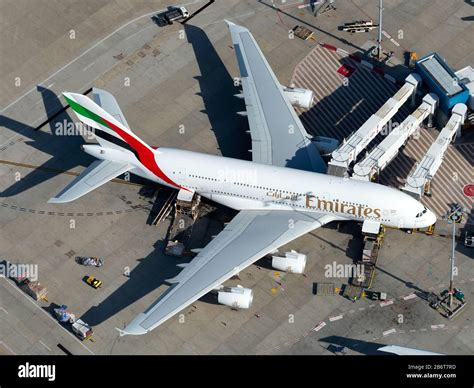
Two major Middle Eastern carriers—Emirates and Qatar Airways—have been particularly affected by the regional instability. Emirates temporarily halted flights to certain destinations in the region, while Qatar Airways established a temporary operational hub in Oman to maintain parts of its international network during disruptions.
The financial impact extends beyond operational costs. Every cancelled or diverted flight represents lost revenue, and when disruptions occur at scale, the cumulative financial strain can be enormous.
Airlines Turn to Fuel Hedging to Protect Against Volatility
To manage unpredictable fuel prices, many airlines rely on fuel hedging, a financial strategy designed to lock in future fuel prices. By using financial instruments such as futures contracts, swaps, and options, airlines can stabilize their operating costs even if market prices fluctuate dramatically.
Several global carriers—including Air France-KLM, Cathay Pacific, Finnair, easyJet, and Air New Zealand—have recently increased their fuel hedging coverage in response to the latest market volatility. By securing fuel at predetermined prices, these airlines aim to protect their budgets from sudden spikes.
Fuel hedging does not eliminate risk entirely, but it provides airlines with a degree of predictability. Stable fuel expenses allow carriers to plan schedules, set ticket prices, and maintain profitability with greater confidence.
However, not all airlines hedge fuel in the same way. Some carriers hedge aggressively, covering a large portion of their expected fuel consumption, while others hedge minimally or not at all, leaving them more exposed to market swings.
The Broader Economic Ripple Effect
Rising fuel prices rarely affect aviation alone. The increase typically spreads through the broader economy, influencing transportation costs, shipping expenses, and consumer prices.
Drivers are already seeing higher prices at gas stations in some regions, and analysts expect fuel costs to continue climbing if geopolitical tensions persist. As transportation becomes more expensive, companies often pass those costs to consumers through higher prices on goods and services.
For travelers, this means airfare increases may only be one visible part of a much larger economic shift. The cost of everything from airline tickets to supermarket products could gradually rise as the global supply chain absorbs the impact of higher energy prices.
In aviation, however, the effect will likely appear sooner. With airlines warning of mounting pressure on operating costs, passengers booking flights in the near future may find that the era of relatively stable ticket prices is giving way to a new period of rapid airfare adjustments driven by global energy markets.