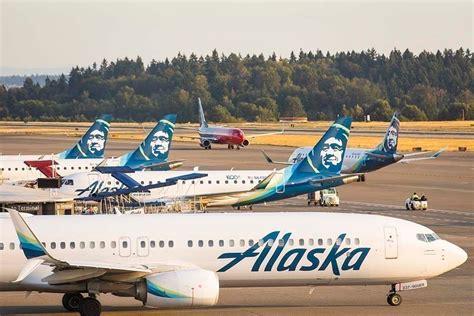
The era of cheap flights is rapidly fading as airline executives signal a structural shift in pricing that may outlast the current fuel crisis. Alaska Airlines CEO Ben Minicucci has made it clear that recent airfare increases are not a temporary adjustment but a lasting recalibration of the industry’s economic model. Even if fuel prices retreat, travelers should not expect ticket prices to follow suit.
The catalyst behind this shift is the 2026 Iran Crisis, which sent global fuel prices sharply higher and forced airlines into defensive financial strategies. For Alaska Airlines, the impact has been immediate and severe. The carrier reported a $193 million loss in the first quarter of 2026, with fuel expenses emerging as a dominant pressure point. In response, the airline has raised fares by an average of 15%, a move that reflects not just reactive pricing but a deeper transformation in cost recovery strategies.
Minicucci’s message to investors was blunt: some of these fare increases are “sticking.” That single word carries significant weight, signaling that airlines are using this crisis as an opportunity to reset pricing expectations across the market.
Fuel Costs Reshape Airline Economics
Fuel has long been one of the most volatile components of airline expenses, but the current spike is exceptional in both speed and scale. Alaska Airlines projects fuel prices to reach approximately $4.50 per gallon in the current quarter, a dramatic jump from $2.98 per gallon just months earlier. Compared to early 2026 levels, the increase is more than double.
This surge has translated into an additional $100 million in fuel costs for Alaska Airlines in just the first quarter. Looking ahead, the airline expects up to $600 million in extra fuel expenses between April and June alone. These figures highlight why fare increases are not simply opportunistic—they are essential for survival.
Even with higher ticket prices, airlines are not fully offsetting their costs. Alaska’s average fare increase of $25 per ticket only recovers about one-third of the added fuel burden. This gap explains why executives are reluctant to roll back prices, even if fuel markets stabilize. The financial damage has already been done, and airlines are rebuilding margins in real time.
Global Airfare Inflation Signals Industry-Wide Shift
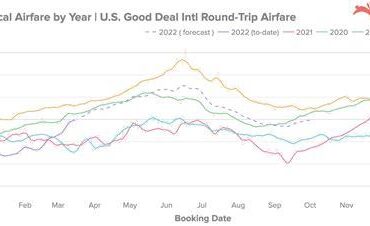
The pricing trend extends far beyond a single airline or region. According to aviation analytics firm OAG, global airfares are now 24% higher than in 2025, reflecting a coordinated industry response to rising operational costs. Airlines worldwide are implementing a mix of fare hikes, fuel surcharges, and ancillary fee increases to maintain profitability.
Major US carriers are facing similar challenges. Delta Air Lines reported an additional $400 million in fuel costs during the first quarter, with projections climbing to $1.2 billion in the current quarter. Meanwhile, American Airlines and United Airlines are experiencing parallel cost pressures, pushing the combined additional expenses for the “Big Three” beyond $3 billion in a single quarter.
On a global scale, the International Air Transport Association (IATA) estimates that airlines will spend an extra $45–50 billion on fuel in 2026 compared to the previous year. Given that fuel is the second-largest expense after labor, such increases have a cascading effect on every aspect of airline pricing.
Capacity Cuts Reinforce Higher Ticket Prices
Airlines are not relying on pricing alone to manage the crisis. Capacity reduction has emerged as a powerful complementary strategy. By cutting flights, carriers reduce fuel consumption while simultaneously tightening seat availability—an approach that naturally supports higher fares.
For example, Lufthansa recently announced plans to cut approximately 20,000 flights from its summer schedule, primarily targeting short-haul routes. These routes are often less profitable and consume a disproportionate amount of fuel relative to revenue, making them prime candidates for suspension during periods of high operating costs.
This strategic pruning allows airlines to redeploy aircraft to more lucrative long-haul routes, where premium passengers and higher ticket prices can offset fuel expenses more effectively. The result is a leaner network designed to maximize profitability rather than volume.
Why Lower Fuel Prices Won’t Bring Relief
At first glance, it might seem logical that falling fuel prices would lead to cheaper tickets. However, the current situation reveals a more complex reality. Airlines have absorbed massive financial shocks, and restoring balance sheets takes time. Pricing adjustments are now serving a dual purpose: covering ongoing costs and recouping past losses.
Moreover, the industry has discovered that demand remains resilient even as prices rise. Travelers continue to book flights, particularly for essential travel and high-value international routes. This demand strength reduces the incentive for airlines to lower fares, reinforcing the permanence of current pricing levels.
Minicucci’s perspective reflects a broader consensus among airline leaders: the market has reset. Fare increases are no longer a temporary response but a structural shift in how airlines price their services.
A New Reality for Travelers
For passengers, this means adjusting expectations. The days of consistently low fares are being replaced by a more volatile and expensive travel environment. While occasional deals may still appear, the baseline cost of flying has moved higher.
Airlines, meanwhile, are navigating a delicate balance between maintaining profitability and preserving customer loyalty. The challenge lies in sustaining higher prices without dampening demand—a task that will define the industry’s trajectory in the coming years.
What is clear is that the current pricing landscape is not a passing phase. It is a recalibration driven by economic necessity, and according to those leading the industry, it is here to stay.