A looming financial shift is about to redefine air travel across the United Kingdom as regional airports prepare for a steep tax increase in 2026. The upcoming property tax adjustments are poised to ripple through the aviation industry, with passengers bracing for higher fares and reduced flight options. Despite attempts at government regulation and transitional relief, regional airports are sounding alarms over the scale of the financial burden.
Regional Airports Under Pressure: The Core of the Crisis
The most dramatic effects of the tax hike will not be felt in the major hubs like London Heathrow and Gatwick, though they too face rising costs. Instead, it’s the regional airports—Manchester, Bristol, and Birmingham—that are confronting a financial reckoning. These airports, which form the backbone of domestic and short-haul international travel, are facing property tax increases as high as sixfold. For already resource-constrained facilities, this is more than a budgeting inconvenience—it’s an existential threat.
As part of the government’s revaluation of airport properties through the Valuation Office Agency (VOA), rateable values have surged, citing higher passenger volumes and revenues post-pandemic. For example, Ryanair, a major regional player, had plans to invest over £2 billion into its UK regional airport network, but those strategies now face reevaluation due to the 295% sector-wide uplift in property taxation.
Ripple Effect: From Taxation to Ticket Prices
While Air Passenger Duty (APD) adjustments are framed by the UK government as a measure to align with inflation and environmental priorities, the trickle-down consequences are undeniable. As airport operating costs balloon, these expenses are expected to cascade into higher airport fees for airlines, then increased base costs, and finally into passenger ticket prices.
Alex Probyn, head of Europe and Asia-Pacific property tax at Ryanair, stated:
“With an unprecedented 295% sector-wide uplift, regional airports simply cannot absorb a cost shock of this magnitude. These increases will inevitably flow through the system: first into airport charges, then into airline costs, and ultimately into ticket prices.”
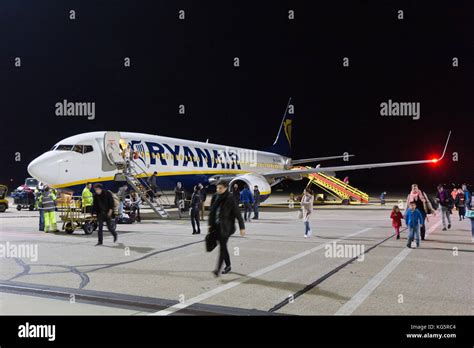
The budget airlines that rely heavily on affordable regional access will be hit hardest. With slimmer profit margins than major carriers, they will have no choice but to pass costs directly to consumers, creating an uncomfortable scenario where low-cost travel options dwindle, and passengers across income brackets bear the brunt.
Fewer Flights, Reduced Investment: A Double Blow to Regions
The impending changes don’t just threaten ticket prices—they imperil the frequency and availability of flights, especially on less profitable routes. If maintaining routes becomes financially untenable, airlines are likely to cut service to smaller cities, concentrating operations in fewer, larger hubs. The result: longer travel times, increased demand on core airports, and rural regions growing more disconnected.
Perhaps most significantly, capital investment into airport infrastructure and service improvements will slow, or in some cases, halt. The funds once earmarked for modernizing terminals, upgrading security systems, or improving ground services may now be redirected to cover taxes.
This reduction in reinvestment will quietly but effectively deteriorate passenger experience, operational efficiency, and even long-term safety standards. Over time, passengers may notice longer queues, older terminals, fewer on-site amenities, and declining satisfaction—all consequences of a system stretched thin.
The Government’s Defense: Sustainability and Fiscal Responsibility
Officials argue that the tax adjustments are necessary to ensure that the aviation industry pays its fair share in a post-COVID recovery economy. According to the official government brief, these changes:
- Reflect inflation adjustments;
- Account for the increased property value of airport facilities;
- Encourage airlines to internalize environmental costs into pricing models;
- Offer transitional relief to ease the burden in the first few years.
However, critics point out that the timing of the hike, following a volatile period of recovery for the travel industry, could undo fragile progress, especially in regional and economically sensitive areas.
Airlines Recalculating Routes and Resources
Carriers like Ryanair and easyJet now face complex recalculations. Ryanair had projected an ambitious expansion into UK regional markets, aiming to capitalize on growing post-pandemic demand, but that strategy may stall as they reassess ROI in the face of millions in additional taxes.
The business models of low-cost carriers rely on high-volume, low-margin services. Increased fixed costs—especially those unrelated to fuel or labor—will push airlines to prioritize only their most profitable routes, which could mean:
- Withdrawal from thinly-trafficked regional routes;
- Postponement of planned airport expansions;
- Delays in fleet modernization projects.
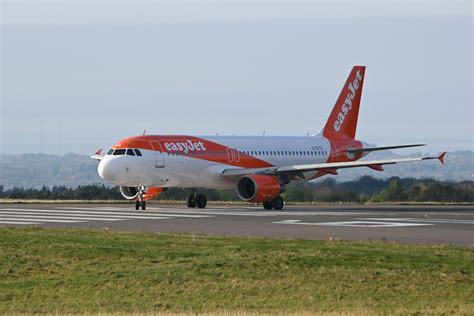
For business travelers and leisure flyers alike, this equates to fewer flight options and higher prices across the board.
Regional Economies Face Turbulence
Beyond passengers and airlines, the impact on local economies will be profound. Regional airports are more than transit hubs—they are economic engines, supporting thousands of jobs and driving local tourism, trade, and investment.
A significant reduction in flight options can:
- Discourage foreign investment in local enterprises;
- Lead to a drop in inbound tourism revenue;
- Cause job losses not only within the airport but across hospitality, retail, and ground services;
- Contribute to regional inequality, as already underserved areas become harder to access.
Airport-linked economic zones may see a downturn if connectivity declines. Once vibrant air corridors, especially those linking Scotland, Northern Ireland, and peripheral England to the rest of Europe, risk being throttled by price surges and frequency reductions.
Passenger Experience in 2026: A Glimpse Into the Future
By the time 2026 arrives, travelers can expect the following:
- Ticket prices to rise by 10-25%, even on short-haul routes.
- Longer wait times due to staff reductions and halted infrastructure upgrades.
- Limited destination options from smaller airports.
- Higher surcharges across economy and premium cabin classes.
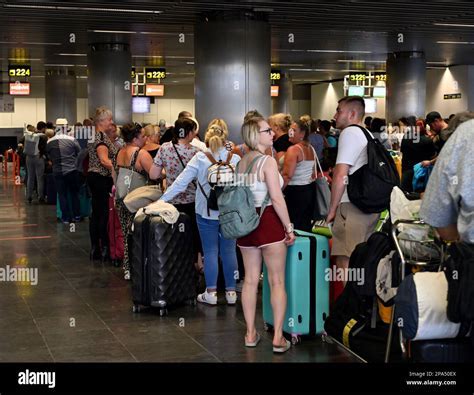
While transitional relief may soften the initial blow, the cumulative cost over time will impact everything from baggage fees to in-flight services. Even those unaffected by route closures will find the travel experience less seamless and less affordable.
Is There a Way Forward? Policy Alternatives and Industry Responses
The aviation industry and regional authorities have begun lobbying for policy alternatives. Among the proposals being considered:
- Introducing a regional airport subsidy scheme to mitigate costs in underserved areas;
- Offering additional environmental tax credits for airlines meeting green benchmarks;
- Allowing greater control over tax allocation for reinvestment in regional development.
Whether these will gain traction depends on public response and industry pressure. So far, however, the government shows little sign of reversing course, maintaining that these reforms are essential to sustainable fiscal policy.
Conclusion: A Skyrocketing Dilemma with Grounded Solutions Needed
The UK’s 2026 airport property tax reform may be fiscally justifiable on paper, but in practice, it appears poised to shake the very foundation of regional connectivity. With airlines like Ryanair already reconsidering their investment strategies and airports bracing for sharp cost increases, the average flyer stands to lose the most.
If left unchecked, this tax policy could unravel years of effort to decentralize UK aviation, reinvigorate smaller cities, and democratize air travel. The time for proactive adjustments and meaningful dialogue between government, airlines, and regional leaders is now—before UK flyers find themselves grounded by policy, not choice.