Oregon Faces a Critical Crossroads: Balancing Tourism Revenue and Community Well-Being
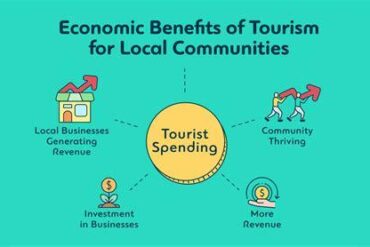
Oregon, renowned for its breathtaking coastlines, verdant forests, and vibrant urban hubs, attracts millions of visitors each year. This influx fuels a booming local economy, especially in hotspots like Seaside, Bend, and Sutherlin. However, beneath the surface of this economic prosperity lies an escalating debate about how the state’s lodging tax revenue should be allocated—should visitor dollars strictly fund tourism promotion, or should they also address the mounting strain on essential services caused by tourism itself?
Seaside exemplifies the paradox of overtourism. Hosting over two million visitors annually, the city enjoys the financial boost from tourism but simultaneously grapples with overwhelmed infrastructure, emergency services stretched thin, and increased waste management demands. Despite amassing approximately $11 million in lodging tax revenue, Oregon’s law restricts 70% of these funds exclusively for tourism promotion, leaving local governments unable to directly channel these dollars into mitigating tourism’s negative impacts.

This legislative rigidity is no longer sustainable. Across Oregon, local officials from smaller communities like Sutherlin—famous for its Blackberry Festival Car Show & Cruise—to larger cities like Bend are voicing concerns that the costs of overtourism often eclipse the financial gains. Infrastructure wears down, emergency response units are overtaxed, and residents experience a declining quality of life, sparking widespread calls for reform.
House Bill 3962: A Legislative Proposal for Flexibility in Lodging Tax Allocation
In response to these mounting challenges, Oregon lawmakers introduced House Bill 3962, a transformative bill that proposes a major overhaul of the lodging tax spending rules. Sponsored by bipartisan leaders including Rep. Cyrus Javadi (R-Tillamook), Rep. Jules Walters (D-West Linn), and Sen. Suzanne Weber (R-Tillamook), the bill seeks to reduce the mandatory tourism promotion allocation from 70% to 40%. This change would grant municipalities the discretion to allocate up to 60% of lodging tax revenues toward critical services directly impacted by tourism—such as police, fire, emergency medical services, and infrastructure upgrades.
The bill has gained traction among city mayors and county commissioners statewide, reflecting a growing consensus that a more balanced and pragmatic approach to tourism revenue is urgently needed. For cities like Seaside, the potential to invest in road repairs or bolster emergency services using lodging tax funds represents a vital step toward sustainable tourism management.
Opposition from Established Tourism Interests
Despite local government enthusiasm, HB 3962 faces formidable resistance from powerful tourism advocacy groups, including the Oregon Restaurant and Lodging Association (ORLA) and regional destination management organizations (DMOs). These groups argue that the lodging tax’s original purpose was to stimulate tourism growth through marketing and promotion, particularly during shoulder seasons when visitor numbers dip. They caution that diverting funds away from marketing risks reducing tourism revenues, which could imperil the hospitality sector and related businesses.
Greg Astley, an ORLA director, has vocally opposed any redirection of funds, emphasizing the fragility of tourism businesses during off-peak periods. However, local officials counter this perspective by highlighting that existing offseason marketing efforts are substantial and that the current approach neglects the pressing need to repair and sustain the infrastructure taxed by heavy tourist flows.
Historical Context: The Origins and Evolution of Oregon’s Lodging Tax
Oregon’s lodging tax, established in 2003 at a modest 1%, was initially designed to rejuvenate the state’s economy during a period of high unemployment. This tax proved successful in generating approximately $241 million annually, supporting an estimated 120,000 jobs linked to tourism. Yet, the fixed spending structure—mandating that 70% of revenue be channeled solely into tourism promotion—has grown increasingly out of sync with modern realities.
As visitor numbers have surged, so too have the strains on local infrastructure and essential services. The rigid mandate has left cities unable to flexibly respond to overtourism’s consequences, fueling dissatisfaction and calls for legislative modernization.
Overtourism as a Broader National and Global Challenge
Oregon’s tourism tax debate is emblematic of a global reckoning with overtourism and sustainable destination management. According to Todd Montgomery, director of Oregon State University-Cascades’ Sustainable Tourism Lab, more than 500 bills addressing overtourism have been introduced across 33 states in the current year alone. This surge in legislation reflects a growing recognition that unchecked tourism growth can degrade both community welfare and environmental health if not carefully managed.
The tension between promoting tourism and protecting local quality of life is not unique to Oregon but resonates worldwide, where popular destinations struggle to strike the right balance.
The Crucial Balance: Promoting Tourism While Protecting Communities
Cities advocating for HB 3962 argue that tourism promotion and local well-being are not mutually exclusive but must be harmonized through flexible funding. By enabling local governments to allocate lodging tax revenues toward repairing roads, enhancing public safety, and upgrading infrastructure, Oregon can foster a tourism model that is both economically vibrant and socially sustainable.
Reforming Travel Oregon, the quasi-independent agency overseeing lodging tax distribution, is also on the agenda. Critics argue that current governance—heavily influenced by the hotel industry—limits objective resource allocation and perpetuates conflicts of interest, calling for a more balanced and transparent framework.
The Path Forward: Legislative Outlook and Community Impact
HB 3962 successfully passed committee discussions in mid-June 2025, setting the stage for a decisive House floor vote. Yet, its fate in the Senate remains uncertain, with the legislative session slated to conclude by the end of June. Governor Tina Kotek’s position remains undisclosed, adding an element of unpredictability.
For cities like Seaside and Sutherlin, passage would mark a significant victory, empowering them to mitigate overtourism’s adverse effects while maintaining the economic benefits of visitor spending. Conversely, tourism industry stakeholders urge caution, warning that hasty reallocation without collaborative solutions could undermine Oregon’s hospitality sector.
Conclusion: Crafting a Sustainable Tourism Future for Oregon
The ongoing debate over Oregon’s lodging tax embodies a pivotal moment for the state’s tourism industry and its communities. Sustainable tourism demands a nuanced approach that balances visitor attraction with the preservation of essential services and infrastructure. HB 3962’s proposed reforms, if enacted, could set a groundbreaking precedent, influencing how other states and regions confront the challenges of overtourism.
As Oregon navigates this complex terrain, cooperation among lawmakers, tourism advocates, and local residents will be essential. The ultimate goal is clear: a tourism economy that thrives not at the expense of community resilience, but through equitable investment in the very services that make Oregon’s destinations safe, accessible, and welcoming.