In a significant decision that reflects the complexities of global travel dynamics, Thailand has once again postponed the rollout of its much-discussed tourist entry fee, with plans now set for a strategic implementation in 2026. This delay, announced on July 14, 2025, by the Deputy Minister of Tourism and Sports, underscores the government’s commitment to fostering a robust tourism recovery in the wake of the pandemic. The officials cited a combination of global economic uncertainties, fluctuating travel demand, and a desire to closely monitor high-season visitor trends as reasons for this postponement.
This latest announcement marks another chapter in Thailand’s ongoing efforts to implement a tourism tax designed to bolster revenue for destination management and provide essential insurance protection for visitors. Originally introduced back in 2021 during the tenure of former Prime Minister Gen Prayut Chan-o-cha, the entry fee was initially slated for implementation in 2022. The proposed fee, first set at THB 300 (approximately USD 9.26), encountered substantial backlash and revisions, leading to repeated delays that have extended its timeline into 2026.
The tourism tax proposal has undergone numerous iterations, with the initial announcement quickly followed by suggestions to increase the fee to THB 500 (around USD 15.43). This proposal faced swift opposition from business communities, prompting a return to the original amount of THB 300. Subsequent adjustments saw the implementation date pushed from April 2022 to late 2022, and then further into 2023, with specific dates like June 2023 and September 2023 all being postponed until 2024.
The policy landscape changed dramatically in June 2024 when then-Prime Minister Srettha Thavisin suggested abandoning the entry fee altogether to promote Thailand’s post-pandemic recovery. However, this decision was short-lived, as the new government, led by Prime Minister Paetongtarn Shinawatra and Tourism Minister Sorawong Thienthong, revived discussions about the fee. They aimed to align the fee’s introduction with the launch of the Thailand Digital Arrival Card (TDAC), a digital initiative designed to modernize and simplify the immigration process. This system went live on May 1, 2025, in anticipation of the eventual application of the fee.
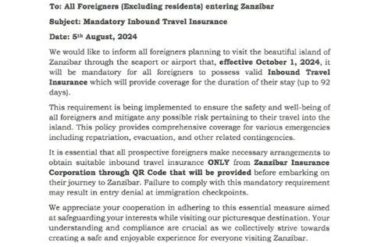
Under the proposed framework, tourists arriving by air would be required to pay THB 300, while those entering by land or sea would face a reduced fee of THB 150. This entry fee was also expected to encompass basic insurance coverage for international visitors throughout their stay in Thailand. Despite the establishment of supporting systems like the TDAC, the entry fee remains absent for foreign travelers as of mid-2025. According to Minister Sorawong Thienthong, the ministry is taking a cautious approach, continuously monitoring global tourism trends and geopolitical developments that significantly affect international travel.
In response to the current climate, the ministry will re-evaluate the fee’s implementation once peak-season demand is analyzed at the end of 2025. Officials have indicated that the earliest possible launch date for the entry fee could fall between mid and late 2026. The overarching goal of this strategy is to safeguard the momentum of Thailand’s tourism recovery while encouraging an influx of international visitors.
As Thailand navigates the complexities of economic revival, political transitions, and evolving travel behaviors, industry reactions to the delayed entry fee remain mixed. While some tourism operators support the fee as a means to invest in infrastructure and enhance visitor safety through insurance, others express concerns that it may deter budget-conscious travelers, particularly in a region where affordability and convenience are paramount.
Despite these apprehensions, Thai authorities maintain that the intention behind the entry fee is not to burden tourists but rather to improve their overall experience and elevate the quality of national services. With the TDAC already implemented and preparations in place for an efficient collection system, officials emphasize that the question is not if the fee will be enacted, but rather when it will be appropriate to do so.
As Thailand continues to grapple with the challenges of economic recovery and the shifting landscape of international travel, the delayed entry fee represents a carefully considered approach aimed at ensuring that the nation remains competitive in the global tourism market. By postponing the implementation until 2026, the government aims to strike a balance between enhancing visitor confidence and fostering sustainable economic growth.