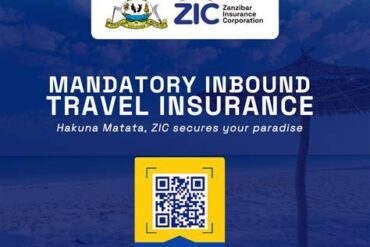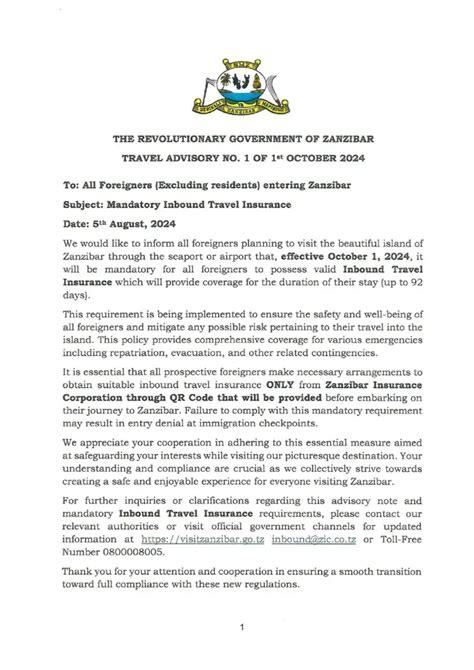
Zanzibar has made a remarkable stride in the tourism sector by introducing a mandatory visitor insurance scheme, a significant milestone aimed at bolstering the safety of international travelers while enhancing the region’s appeal as a premier travel destination. This groundbreaking initiative, which has already garnered an impressive Sh16 billion in revenue, is designed to cover a comprehensive range of travel-related risks including medical emergencies, accidents, baggage delays, and theft. As global travel gradually rebounds post-pandemic, Zanzibar’s proactive approach not only seeks to improve the visitor experience but also enhances its capacity to manage health risks associated with international travel.
Comprehensive Coverage of Zanzibar’s New Travel Insurance
The newly implemented travel insurance in Zanzibar offers coverage valid for up to 92 days, ensuring that visitors are protected throughout their stay. This insurance encompasses various potential risks associated with international travel, providing peace of mind to tourists. Key benefits of the insurance include:
- Medical Emergencies: Coverage for hospitalization and treatment costs in case of illness or injury.
- Repatriation Costs: This includes both medical repatriation (transportation back to the home country for medical reasons) and bodily repatriation (in case of death).
- Accidents: Financial protection against accident-related expenses incurred during the visit.
- Baggage Delays and Theft: Coverage for loss or delay of luggage and theft during the trip.
Dr. Nchemba, a prominent government official, emphasized that this insurance initiative not only ensures the protection of foreign visitors but also alleviates pressure on Zanzibar’s public health system by reducing the necessity for government-funded health interventions. By enhancing traveler safety, this initiative aligns seamlessly with Zanzibar’s broader efforts to foster a secure and resilient tourism environment.
The Public-Private Partnership: How Zanzibar’s Insurance Scheme Works
The new insurance program represents a public-private partnership (PPP), wherein the government collaborates with private sector insurers and the National Insurance Corporation (NIC) to effectively manage the scheme. This strategic alliance aims to harness the strengths and resources of both sectors, offering high-quality insurance coverage while maintaining operational efficiency and service standards.
To ensure long-term sustainability and high service quality, the government is establishing a revenue-sharing framework with the insurance providers, facilitating a balanced distribution of funds between the government and the private sector. This collaborative effort is expected to introduce industry expertise that will enhance the competitiveness and comprehensiveness of the coverage offered, instilling confidence in tourists regarding their safety while traveling in Zanzibar. Such partnerships are vital for creating a robust and adaptable insurance program that can evolve with the changing needs of travelers and the tourism industry.
Global Impact: How Zanzibar’s Move Could Shape International Tourism
Zanzibar’s initiative to mandate visitor insurance comes at a crucial time when global travel is increasingly influenced by health concerns and security risks. As international tourists become more conscious of potential travel hazards, the demand for travel insurance is surging. Zanzibar’s mandatory coverage is strategically positioned to meet this growing need, making the island an attractive and prepared destination for travelers seeking safety and reassurance.
By providing comprehensive insurance, Zanzibar is enhancing its reputation as a resilient destination capable of addressing emerging global health risks, such as potential outbreaks or natural disasters. This shift towards prioritizing safety measures in tourism is anticipated to have a lasting impact on the global tourism landscape. As more countries observe Zanzibar’s success with its mandatory insurance scheme, it is likely that similar policies will be adopted by other destinations, prompting travelers to increasingly favor locations that offer adequate safety measures and insurance options.
Impact on Zanzibar’s Hospitality and Tourism Sectors
The introduction of mandatory visitor insurance is not only beneficial for tourists but also holds significant implications for Zanzibar’s local hospitality and tourism industries. By making travel insurance a requirement, Zanzibar aims to attract a surge of international visitors, particularly from markets where travel insurance is a standard expectation. Consequently, the island is poised to experience increased demand for hotels, restaurants, and tour operators, fostering economic growth within the tourism sector.
In tandem with this initiative, Dr. Nchemba has proposed a substantial reduction in the hotel levy from 10% to 2%. This strategic policy aims to further enhance the competitiveness of the hospitality sector by lowering operational costs for hotel owners and making Zanzibar a more affordable destination for travelers. Although this tax cut is projected to decrease government revenue by Sh9.78 billion, it is anticipated that the resulting increase in tourism will lead to greater investment in the sector, ultimately generating higher overall revenues as visitor numbers rise.
Tourism Tax Cuts and Their Effect on Zanzibar’s Economy
The reduction in the hotel levy is expected to invigorate Zanzibar’s hospitality sector, positioning it more favorably against competing regional destinations. Lower taxes translate to reduced accommodation costs, likely attracting more tourists and encouraging longer stays. Additionally, this tax cut is perceived as a catalyst for stimulating investment in Zanzibar’s tourism infrastructure, leading to enhanced facilities, services, and experiences for visitors.
Nevertheless, there are potential trade-offs regarding government revenue. While the intent behind the tax cut is to stimulate tourism, it concurrently limits the funds available for public services and development projects. The challenge for the government will be to ensure that the lost revenue is compensated by the increased economic activity generated through the influx of tourists. If successful, this strategy could elevate Zanzibar’s status as a top-tier destination catering to both budget-conscious travelers and high-end tourists alike.
Broader Fiscal Reforms: Enhancing Economic Resilience
The introduction of the mandatory visitor insurance scheme and the hotel levy reduction are part of a broader suite of fiscal reforms aimed at bolstering Zanzibar’s economic resilience. These reforms emphasize the importance of making Zanzibar a more appealing and competitive destination for global travelers and investors. By fostering a safe travel environment and reducing costs for the hospitality sector, Zanzibar is positioning itself as a destination that not only meets tourists’ needs but also supports the long-term growth of its economy.
These initiatives align with global trends in the tourism industry, where sustainability, security, and affordability are emerging as critical priorities for travelers. As Zanzibar adapts to these demands, it stands to benefit significantly from its enhanced image as a safe and attractive travel destination.
The Global Traveler’s Perspective: A Shift Toward Safer, More Secure Travel
For global travelers, the launch of mandatory visitor insurance in Zanzibar signifies a broader transition towards safer and more secure travel options. As tourists increasingly seek destinations that prioritize their safety and well-being, Zanzibar is uniquely positioned to attract those who are concerned about potential risks associated with post-pandemic travel. This trend is likely to reshape global travel behavior, with more travelers gravitating towards destinations that offer robust travel insurance schemes and stringent security measures.
As other countries and regions begin to adopt similar policies, travelers can anticipate a growing emphasis on health security and travel insurance becoming standard components of their travel experience. This evolution in traveler expectations will not only influence individual travel decisions but also shape the future of the global tourism industry.
Conclusion: Zanzibar’s Path Toward Sustainable and Resilient Tourism
Zanzibar’s introduction of mandatory visitor insurance marks a bold and transformative step toward creating a resilient tourism sector. This initiative enhances the safety and well-being of travelers while positioning Zanzibar as a leader in responsible tourism in East Africa. The accompanying reduction in the hotel levy further strengthens the island’s competitive edge, attracting investment and keeping tourism costs manageable. As the travel industry adjusts to new expectations surrounding security, sustainability, and affordability, Zanzibar’s proactive efforts are likely to serve as a model for other destinations aiming to capture a growing share of the global tourism market. Through its commitment to fostering public-private partnerships, implementing fiscal reforms, and enhancing tourism resilience, Zanzibar is setting the groundwork for a sustainable and secure tourism future.