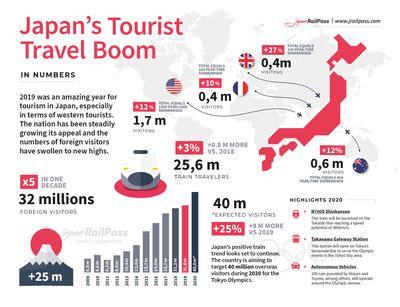
Japan is experiencing an unprecedented surge in tourism, with South Korean visitors at the forefront, reshaping the landscape of inbound travel. The influx of South Koreans has not only propelled visitor numbers to new heights but has also significantly influenced spending patterns and service demand across the country. With an astounding 8.83 million South Korean tourists arriving in Japan in 2024 alone, and an impressive 11.2 million reported from January to May 2025, it’s evident that this trend is more than just a passing phase; it marks a remarkable resurgence in travel between these two nations.
The economic impact of this tourism wave cannot be overstated. In 2024, South Korean travelers contributed 963.2 billion yen to the Japanese economy, reflecting a substantial 30.3 percent increase from the previous year. This surge in spending, averaging 109,441 yen per visitor, highlights a growing willingness among South Koreans to indulge in the rich offerings Japan has to provide. The combination of increased flight availability, the weakening yen, and a shift in travel culture driven by digital innovation has created a perfect storm for tourism growth.
Digital Transformation in Travel Planning
As South Korea transitions into a mobile-first society, the way its citizens plan and execute travel has evolved dramatically. The traditional methods of booking accommodations and reservations are being replaced by sophisticated digital solutions that cater specifically to the needs of South Korean travelers. A recent example illustrates this shift: a South Korean family visiting Tokyo for a multigenerational vacation navigated the bustling city without facing the usual long waits at popular restaurants. Instead, they utilized Korean-language reservation services that streamlined their dining experiences, allowing them to secure tables at some of the most sought-after venues.
With Japan’s tourism infrastructure adapting to meet the demands of this digitally savvy population, hospitality providers have begun to rethink their approach. The Japan Tourism Agency has set ambitious targets, aiming to welcome 60 million foreign visitors annually by 2030. South Korean tourists are seen as pivotal in achieving this goal, prompting a transformation in service offerings that prioritize ease of access and overcome language barriers.

The Economic Contributions of South Korean Tourists
The resurgence of South Korean travelers in Japan is not merely about numbers; it’s also about the depth of their economic contributions. The average spending of South Korean visitors represents a significant uplift compared to pre-pandemic levels, showcasing a 43.7 percent increase since 2019. This remarkable growth signals a renewed interest in exploring Japan’s diverse culinary landscape, cultural experiences, and shopping opportunities. Businesses across Japan are keenly aware of this trend and are adapting accordingly.
Japanese companies are enhancing their services to align with the preferences of South Korean tourists, particularly in areas where Japan historically lagged in digital adoption. From simplified restaurant reservation systems to improved ticket booking processes, the focus is on creating a seamless experience that caters to the unique needs of these travelers. Proxy booking services have emerged as a key solution, allowing tourists to secure everything from fine dining reservations to train tickets without facing barriers related to language or unfamiliarity with the local systems.
The Rise of Proxy Services
The demand for proxy services in Japan has blossomed into a thriving industry, initially starting as informal side jobs among Korean students or expatriates. These services have evolved to offer comprehensive booking options, ranging from restaurant reservations to access to golf courses, train passes, and even museum tickets. Pricing for these proxy services varies based on the complexity of the booking, with basic restaurant reservations costing between 2,900 and 10,900 won, while more exclusive experiences can reach up to 30,000 won.
These services are marketed as reliable and accessible, often boasting features like fast refund guarantees and availability 365 days a year. By facilitating smoother booking experiences, these proxy services help alleviate the stress associated with securing reservations in Japan’s competitive hospitality landscape, where even locals sometimes struggle to find available seats.
Bridging Cultures Through Travel Innovation
The cultural exchange facilitated by this wave of South Korean tourism is profound. As South Korean travelers embrace these innovative services, they not only streamline their travel experiences but also foster a deeper connection with Japanese culture. The expectations of a mobile-first generation are reshaping the traditional notions of travel, pushing businesses to adopt more modern, efficient practices. This dynamic interplay between South Korean expectations and Japanese service standards is creating a unique synergy that enhances the travel experience for millions.
In response to this evolving landscape, many proxy booking platforms are now providing real-time support and transparent refund policies, ensuring that travelers feel secure in their bookings. Additionally, the inclusion of phonetic scripts for Japanese phrases aids tourists in navigating interactions, thereby enhancing their overall experience and appreciation of Japanese culture.
Future Prospects for Japan’s Tourism Industry
As Japan continues to break tourism records, the implications of this surge extend beyond mere numbers. The influx of South Korean visitors is driving a fundamental transformation within Japan’s tourism industry, paving the way for greater innovation and adaptation. The combination of increased flight options, a favorable exchange rate, and a burgeoning appetite for travel among South Koreans is redefining how both countries interact in the realm of tourism.
Looking ahead, the partnership between South Korea and Japan in tourism is poised to deepen. The lessons learned from this current surge will likely influence future strategies as Japan aims to enhance its appeal as a destination for travelers worldwide. The ongoing development of services tailored to the needs of South Korean tourists signifies not just an adaptation to market demand, but also a commitment to fostering cultural connections that transcend borders.
In conclusion, Japan’s record-breaking tourism figures, driven predominantly by South Korean visitors, herald a new era of convenience, customization, and cultural exchange. As the Japanese tourism sector embraces digital innovations and caters to the preferences of South Korean travelers, it sets the stage for a future filled with exciting possibilities for both nations.