In 2025, Europe experienced an unprecedented surge in tourism, with iconic destinations like Venice, Barcelona, and Dubrovnik reaching record numbers of visitors. While tourism remains a vital contributor to the European economy, it has also triggered a range of environmental, social, and economic challenges. With tourism contributing approximately 10% to the EU’s GDP and supporting over 12 million jobs, the sector continues to be a pillar of economic prosperity. However, as visitor numbers soar, concerns over its sustainability are becoming increasingly evident.
The Economic Importance of Tourism in Europe
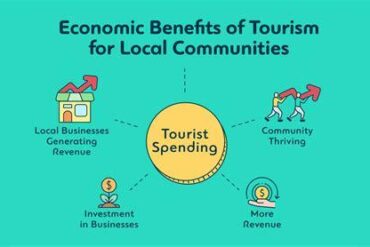
Tourism has long been a major driver of Europe’s economy, attracting millions of people to the continent’s historic cities, stunning landscapes, and cultural landmarks. For many countries, tourism is essential not only for economic growth but also for job creation, with countless communities directly benefiting from the influx of visitors. According to Eurostat, the EU’s statistical office, tourism generated over €700 billion in revenue in 2025, significantly boosting both local and national economies.
However, the increasing concentration of tourists in specific hotspots has led to both positive and negative consequences. While businesses in the hospitality, transport, and retail sectors are thriving, the rapid expansion of tourism has created challenges that affect the quality of life for local residents and the environment. As tourist numbers rise, concerns about over-tourism have become central to debates on the future of the sector.
Overcrowding and Social Discontent: The Impact on Local Communities
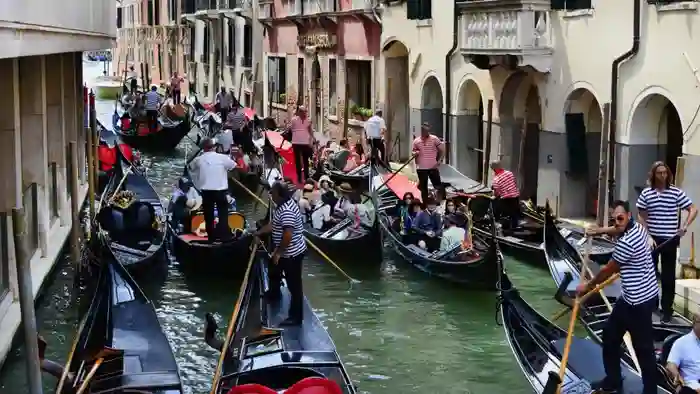
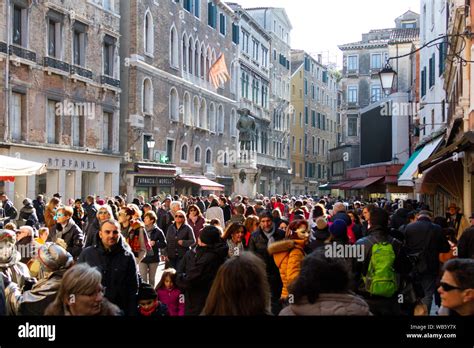
Local residents in major tourist cities are increasingly voicing their frustrations about the negative effects of overcrowding, rising costs, and the erosion of cultural identity. Venice, for instance, has long been a favorite among tourists due to its rich history, picturesque canals, and vibrant art scene. However, many Venetians report a significant spike in property prices, making it increasingly difficult for local families to afford housing. The influx of tourists, coupled with the rise of short-term rental platforms like Airbnb, has driven up rental rates and limited housing availability for locals. As a result, many Venetian residents are finding it harder to remain in their own city.
A similar trend is unfolding in Barcelona, where the commercialization of public spaces and streets has led to the displacement of traditional businesses. Many long-established shops and restaurants are being replaced by international chains that cater primarily to tourists. This shift not only impacts the local economy but also diminishes the city’s cultural authenticity. Locals have expressed concerns that the once-vibrant, distinct character of their neighborhoods is being lost in the rush to cater to mass tourism.
Environmental Strain: The Pressure of Mass Tourism
Alongside the social issues, environmentalists are raising alarms about the ecological consequences of mass tourism in Europe. In popular tourist hotspots, such as the Mediterranean, increased tourist activity has led to higher carbon emissions, increased waste accumulation, and growing pressure on limited resources like water and energy. The impact of this mass tourism on local ecosystems is undeniable, especially in fragile environments where tourism-related infrastructure, such as hotels and transportation networks, often disrupts delicate natural balances.
In addition to the direct environmental damage, the increasing carbon footprint of air travel and cruise ships has become a focal point of discussion. The European Commission has highlighted that the tourism sector is one of the largest contributors to greenhouse gas emissions in the EU. This has led to calls for more sustainable travel options, such as encouraging eco-friendly accommodations, sustainable transport solutions, and the reduction of single-use plastics in the tourism industry.
The European Commission’s Response: A Transition Toward Sustainable Tourism
Recognizing the challenges posed by mass tourism, the European Commission has been proactive in addressing the sustainability of the tourism sector. In 2025, it introduced the Transition Pathway for Tourism, a strategic initiative aimed at transforming the sector toward a greener and more sustainable future. The pathway focuses on promoting eco-friendly practices, supporting the development of digital services, and ensuring that tourism does not compromise the environment or social fabric of local communities.
Key goals of the pathway include:
- Reducing the carbon emissions of the tourism sector by encouraging more sustainable transport options.
- Increasing the use of renewable energy in the hospitality industry.
- Advocating for better waste management practices.
The European Commission is also collaborating closely with Member States to align their tourism policies with climate goals and promote the circular economy—a model that emphasizes reducing waste and recycling resources.
Balancing Tourism Growth with Sustainability: The Need for a Long-Term Vision
The challenges posed by the recent surge in tourism are prompting European governments to reconsider their approach to managing tourism growth. While the economic benefits of tourism are significant, the long-term viability of the sector depends on maintaining a balance between economic development and sustainability. Local governments are beginning to explore innovative ways to control the flow of tourists, such as implementing visitor caps, limiting the number of tourists allowed in certain areas, and offering incentives for off-season travel.
Efforts are also underway to promote tourism to lesser-known regions in Europe, alleviating the pressure on overburdened cities and redistributing tourist activity. The European Union is working closely with national governments to ensure that tourism policies are inclusive and provide opportunities for both popular and less-visited destinations to thrive. This will involve better infrastructure development, improved public services, and the integration of sustainable tourism principles into local planning.
Support for Resilient and Sustainable Tourism
In addition to regulatory measures, the EU is focused on strengthening the resilience of the tourism sector in the face of global challenges such as climate change and geopolitical tensions. The European Commission has been providing Member States with resources to improve coordination, enhance local tourism initiatives, and support businesses in adapting to new consumer preferences for responsible travel. By promoting both green tourism initiatives and digital transformations, the EU aims to create a tourism sector that not only meets the needs of travelers but also protects the cultural and natural heritage of Europe for future generations.
The focus is on creating a tourism model that is inclusive, equitable, and sustainable.
Looking Ahead: A Sustainable Future for European Tourism
As Europe continues to navigate the complexities of tourism growth, finding a balance that supports economic development while protecting the environment and the well-being of local communities is essential. The efforts of the European Commission and local governments reflect a commitment to addressing the pressing challenges posed by mass tourism. With initiatives that focus on sustainability, digital transformation, and inclusive growth, Europe is taking a proactive approach to shaping the future of its tourism industry. In the coming years, it is crucial for both the tourism sector and policymakers to work together in ensuring that the benefits of tourism are equitably distributed and that the environmental impact is minimized. By making sustainability a core principle, Europe has the opportunity to continue attracting tourists while preserving the cultural and natural treasures that make it one of the world’s most sought-after destinations.