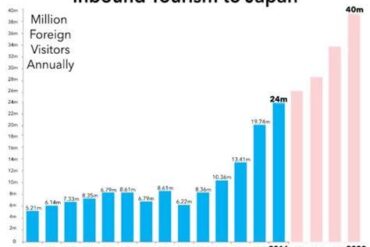
Kyoto, Japan’s former capital and a jewel of cultural heritage, has witnessed an extraordinary surge in international tourism in 2024, welcoming 10.88 million foreign visitors, marking a historic high for the city. This remarkable increase contributed to a total of 56.06 million visitors across all categories, solidifying Kyoto’s status as a premier travel destination. Despite the challenges posed by rising tourist traffic and the growing concerns surrounding overtourism, satisfaction levels among both foreign and domestic tourists remain impressively high.
The allure of Kyoto as a cultural epicenter is undeniable. With its breathtaking temples, shrines, and historic sites such as the Kiyomizu Temple, Nijo-jo Castle, and the Fushimi Inari Taisha shrine, the city captivates visitors seeking a glimpse into Japan’s rich past. The 2024 tourism statistics reveal that Kyoto recorded 16.3 million overnight stays, with 8.21 million attributed to international travelers. This influx underscores Kyoto’s burgeoning appeal, driven by tourists eager to immerse themselves in the city’s profound historical significance and captivating aesthetics.
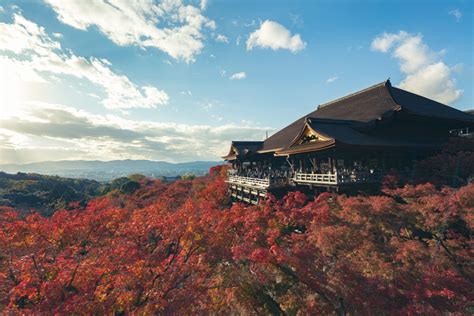
According to a recent survey conducted on inbound tourists, a staggering 97.2% of foreign visitors expressed satisfaction with their experience in Kyoto. Meanwhile, 94.6% of Japanese visitors reported similar contentment. These figures indicate a stable level of satisfaction compared to the previous year, reflecting the consistent charm and beauty that Kyoto offers. Visitors praised the city not only for its stunning landscapes but also for its rich cultural offerings and historical importance, which continue to resonate with both local and international audiences.
However, the challenge of overtourism looms large over Kyoto. While foreign tourists largely maintained their satisfaction, Japanese visitors reported feeling the brunt of overcrowding more acutely. Approximately 48.4% of Japanese respondents indicated experiencing disappointment due to crowded attractions, contrasting sharply with only 19.4% of foreign tourists who felt similarly affected. Factors contributing to this sentiment included congested transportation, long wait times at popular sites, and occasional discourteous behavior from fellow tourists. This divergence in experiences highlights the complex dynamics of tourism in Kyoto, where the charm of the city is sometimes overshadowed by the realities of mass visitation.
In response to these growing concerns regarding overtourism, the Kyoto city government has announced the implementation of a lodging tax set to take effect in March 2026. This initiative will levy a charge of up to 10,000 yen ($68.18) per person for accommodations exceeding 100,000 yen per night. The revenue generated from this tax is earmarked for sustainable tourism initiatives aimed at alleviating overcrowding and enhancing the visitor experience. By channeling funds towards improving infrastructure, public transportation, and sustainability programs, Kyoto seeks to preserve its cultural and natural heritage while managing the challenges posed by increased tourist numbers.
Kyoto’s unique cultural experiences, such as sake tasting, play a significant role in attracting foreign visitors. The city is renowned for its traditional sake breweries, offering tourists an authentic glimpse into Japan’s culinary culture. Engaging in these experiences fosters deeper connections between visitors and the destination, providing valuable insights into Japan’s rich traditions.
Looking ahead, Kyoto is determined to maintain its status as a top-tier tourist destination while effectively addressing the issues associated with overtourism. Continuous improvements in public transportation, expansion of tourism offerings, and a focus on sustainable growth are essential components of Kyoto’s strategy to balance tourism demand with the preservation of its historical treasures. As the city evolves, it aims to enhance the overall visitor experience while ensuring future generations can enjoy its unparalleled beauty and cultural richness.
In conclusion, the surge in tourism experienced by Kyoto in 2024 serves as a testament to its enduring appeal as a travel destination. Despite facing challenges related to overtourism, high satisfaction rates indicate that visitors continue to find unforgettable experiences amidst the city’s attractions. The forthcoming lodging tax and ongoing infrastructure developments illustrate Kyoto’s commitment to sustainable tourism, ensuring that its culturally rich heritage is preserved for years to come.